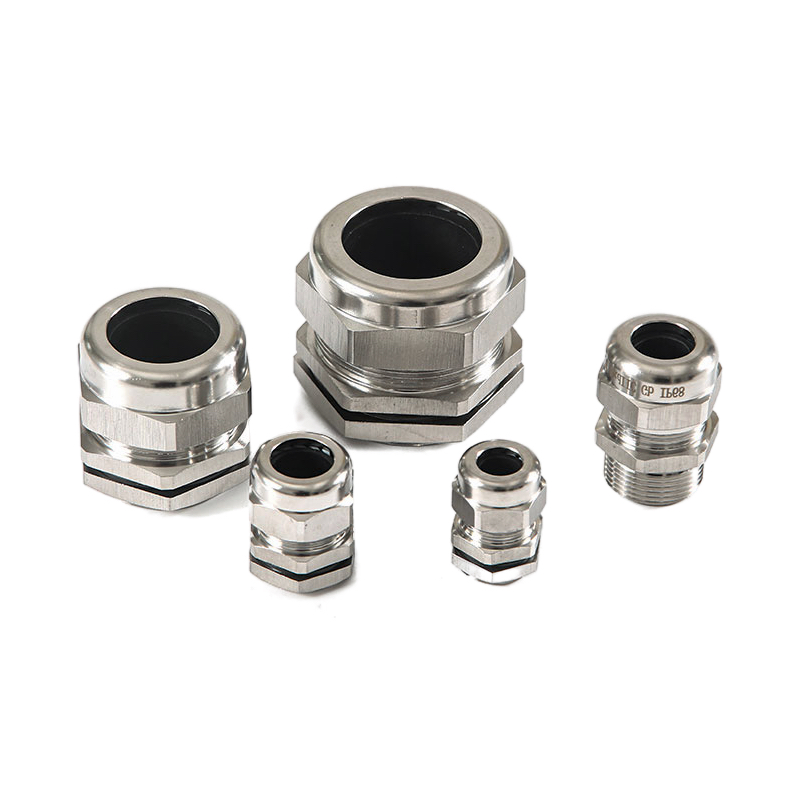
Climate change has intensified extreme weather events, with flooding causing over $40 billion in infrastructure damage annually. When floodwaters reach electrical installations, standard cable glands fail catastrophically, creating safety hazards and costly equipment failures that can shut down entire facilities for weeks.
Deluge-proof cable glands are specialized sealing systems designed to maintain IP68/IP69K protection1 under extreme flooding conditions, featuring enhanced sealing mechanisms, corrosion-resistant materials, and pressure-resistant designs that prevent water ingress even when submerged for extended periods. These advanced glands use multiple sealing barriers, premium elastomers, and reinforced housings to ensure electrical system integrity during the most severe weather events.
In my decade of experience with extreme weather installations, I’ve seen too many facilities suffer preventable failures because engineers underestimated the water ingress challenges of modern climate conditions. The cost of upgrading to deluge-proof glands is minimal compared to the devastating expenses of flood-damaged electrical systems and extended downtime.
Table of Contents
- What Makes Cable Glands Deluge-Proof?
- Which Applications Require Deluge-Proof Protection?
- How Do You Select the Right Deluge-Proof Gland?
- What Are the Installation Best Practices?
- How Do Deluge-Proof Glands Compare to Standard Options?
- FAQs About Deluge-Proof Cable Glands
What Makes Cable Glands Deluge-Proof?
Understanding the engineering principles behind deluge-proof cable glands is essential for selecting appropriate protection systems for extreme weather applications.
Deluge-proof cable glands achieve superior water protection through multiple independent sealing barriers, pressure-resistant housing designs, premium elastomer materials rated for extended submersion, and enhanced thread engagement that maintains integrity under hydrostatic pressure2 up to 10 bar or more. These advanced features work together to prevent water ingress even during prolonged flooding events.
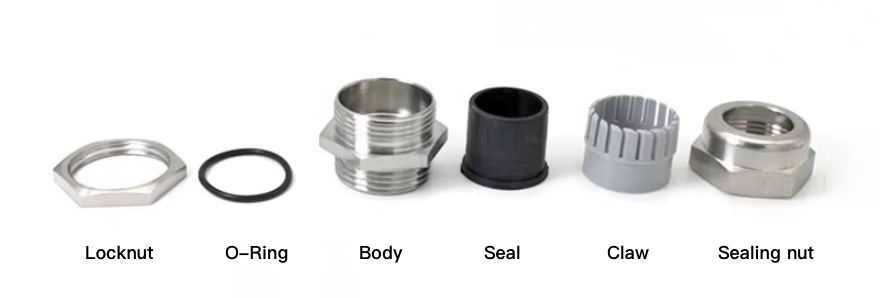
Advanced Sealing Technology
Multiple Barrier Protection:
Deluge-proof glands employ several independent sealing systems:
Primary Seals:
- High-grade EPDM or silicone elastomers
- Compression sealing around cable jacket
- Chemical resistance to flood contaminants
- Temperature stability from -40°C to +120°C
Secondary Seals:
- Thread sealing with specialized compounds
- O-ring seals at critical interfaces
- Backup sealing for redundant protection
- Pressure-activated sealing mechanisms
Tertiary Protection:
- Gasket seals at enclosure interfaces
- Strain relief integration with sealing
- Cable armor grounding with seal integrity
- Long-term elastomer stability
Pressure-Resistant Housing Design
Structural Engineering:
Deluge-proof glands feature reinforced construction to withstand hydrostatic pressure:
Material Selection:
- Marine-grade stainless steel (316L) for maximum corrosion resistance
- Nickel-plated brass for cost-effective durability
- High-strength polymers for specific chemical environments
- Specialized alloys for extreme temperature applications
Mechanical Design:
- Thicker wall sections to resist deformation
- Enhanced thread engagement for pressure resistance
- Reinforced cable entry points
- Integrated pressure relief mechanisms where required
Enhanced Elastomer Performance
Material Science:
Premium elastomers provide the foundation of deluge-proof performance:
EPDM Advantages:
- Excellent water resistance and aging properties
- Wide temperature range capability
- Chemical resistance to common flood contaminants
- Long-term compression set resistance
Silicone Benefits:
- Superior temperature stability
- UV and ozone resistance
- Flexibility in extreme conditions
- Food-grade options for specific applications
Specialized Compounds:
- Fluorocarbon elastomers for chemical resistance
- Hydrogenated nitrile for oil resistance
- Custom formulations for specific environments
- Accelerated aging test validation
Testing and Certification Standards
Performance Validation:
Deluge-proof glands undergo rigorous testing to verify their capabilities:
IP Rating Testing:
- IP68: Continuous submersion testing up to specified depth
- IP69K: High-pressure, high-temperature water jet testing
- Extended duration testing beyond standard requirements
- Cyclic testing for thermal and pressure variations
Environmental Testing:
- Salt spray testing3 for corrosion resistance
- UV exposure testing for outdoor applications
- Chemical compatibility testing for industrial environments
- Vibration and shock testing for mobile applications
I remember working with Andreas, a facility manager at a chemical plant in Hamburg, who initially questioned the need for deluge-proof glands on their new waste treatment facility. After experiencing two major flooding events in three years that caused over €2 million in damage each time, he now specifies deluge-proof protection for all critical electrical connections. His facility weathered the recent European floods without a single electrical failure, while neighboring plants suffered extensive damage and weeks of downtime.
Which Applications Require Deluge-Proof Protection?
Identifying applications that benefit from deluge-proof cable glands helps engineers make informed decisions about when to specify enhanced weather protection systems.
Applications requiring deluge-proof cable glands include flood-prone industrial facilities, coastal installations, underground electrical systems, wastewater treatment plants, outdoor telecommunications equipment, and any critical infrastructure where water ingress could cause safety hazards or extended operational disruptions. The investment in deluge-proof protection pays for itself through prevented failures and reduced downtime.
Coastal and Marine Installations
Unique Challenges:
Coastal environments present multiple water ingress risks beyond normal precipitation:
- Hurricane and typhoon surge events
- Tidal flooding during extreme weather
- Wave action and spray exposure
- Saltwater corrosion acceleration
Application Examples:
- Offshore wind turbine electrical systems
- Port and harbor infrastructure
- Coastal industrial facilities
- Marine vessel electrical installations
- Lighthouse and navigation equipment
Specific Requirements:
- Enhanced corrosion resistance for saltwater exposure
- Pressure ratings for storm surge conditions
- UV resistance for continuous sun exposure
- Vibration resistance for wave action
Flood-Proned Industrial Facilities
Risk Assessment:
Industrial facilities in flood zones require comprehensive protection strategies:
Facility Types:
- Chemical processing plants near rivers
- Manufacturing facilities in low-lying areas
- Power generation stations near water bodies
- Food processing plants with washdown requirements
- Pharmaceutical facilities with clean room adjacencies
Critical Systems:
- Emergency power distribution
- Safety and alarm systems
- Process control instrumentation
- Fire protection and suppression systems
- Environmental monitoring equipment
Protection Strategy:
- Risk-based assessment of flood probability
- Critical system identification and prioritization
- Staged protection levels based on elevation
- Emergency response and recovery planning
Underground and Below-Grade Applications
Hydrostatic Pressure Challenges:
Underground installations face unique water ingress pressures:
Installation Types:
- Subway and tunnel electrical systems
- Underground parking garage infrastructure
- Basement electrical rooms and panels
- Utility vault and manhole installations
- Underground storage facility systems
Design Considerations:
- Groundwater level variations
- Surface water infiltration pathways
- Hydrostatic pressure calculations
- Drainage system coordination
- Emergency pumping system integration
Wastewater and Water Treatment Facilities
Contaminated Water Exposure:
Treatment facilities require protection against both clean and contaminated water:
Exposure Risks:
- Process water with chemical contaminants
- Biological contamination from sewage
- Cleaning chemical exposure during maintenance
- High-pressure washdown operations
- Steam and high-temperature water exposure
System Requirements:
- Chemical-resistant elastomer materials
- Enhanced cleaning and decontamination capability
- Pressure resistance for washdown operations
- Temperature resistance for steam cleaning
- Long-term stability in contaminated environments
Telecommunications and Data Infrastructure
Service Continuity Requirements:
Communication systems require maximum uptime during emergencies:
Critical Applications:
- Cell tower base station equipment
- Fiber optic network infrastructure
- Emergency communication systems
- Data center backup power systems
- Public safety communication networks
Performance Requirements:
- Minimal signal interference from water ingress
- Rapid restoration capability after flooding
- Remote monitoring and diagnostic capability
- Redundant protection systems
- Integration with emergency power systems
Application Selection Matrix
| Application Type | Flood Risk Level | Pressure Requirements | Material Considerations | Recommended Protection |
|---|---|---|---|---|
| Coastal Industrial | High | Storm surge (5-10 bar) | Marine-grade SS | IP68 + corrosion resistance |
| River Proximity | Medium-High | Hydrostatic (2-5 bar) | Standard SS/Brass | IP68 + chemical resistance |
| Underground | Medium | Groundwater (1-3 bar) | Corrosion resistant | IP68 + pressure rating |
| Treatment Plants | High | Process pressure (3-8 bar) | Chemical resistant | IP69K + specialized elastomers |
| Telecommunications | Variable | Environmental only | UV resistant | IP68 + signal integrity |
| Emergency Systems | Critical | Variable | Reliable materials | Highest available rating |
Hassan, the operations director at a petrochemical complex in Kuwait, learned the importance of proper application assessment when a rare but severe flooding event overwhelmed their facility’s drainage systems. While their main production areas had deluge-proof protection, several auxiliary buildings with standard glands suffered extensive electrical damage. The facility now uses a comprehensive risk assessment approach to determine protection levels, with deluge-proof glands specified for all systems that could impact safety or production continuity.
How Do You Select the Right Deluge-Proof Gland?
Selecting appropriate deluge-proof cable glands requires careful analysis of environmental conditions, performance requirements, and system integration needs to ensure optimal protection and cost-effectiveness.
Right deluge-proof gland selection involves evaluating submersion depth and duration requirements, pressure ratings, cable compatibility, material chemical resistance, temperature ranges, and certification requirements while balancing performance needs with cost considerations and long-term maintenance requirements. Proper selection prevents both over-specification and inadequate protection.
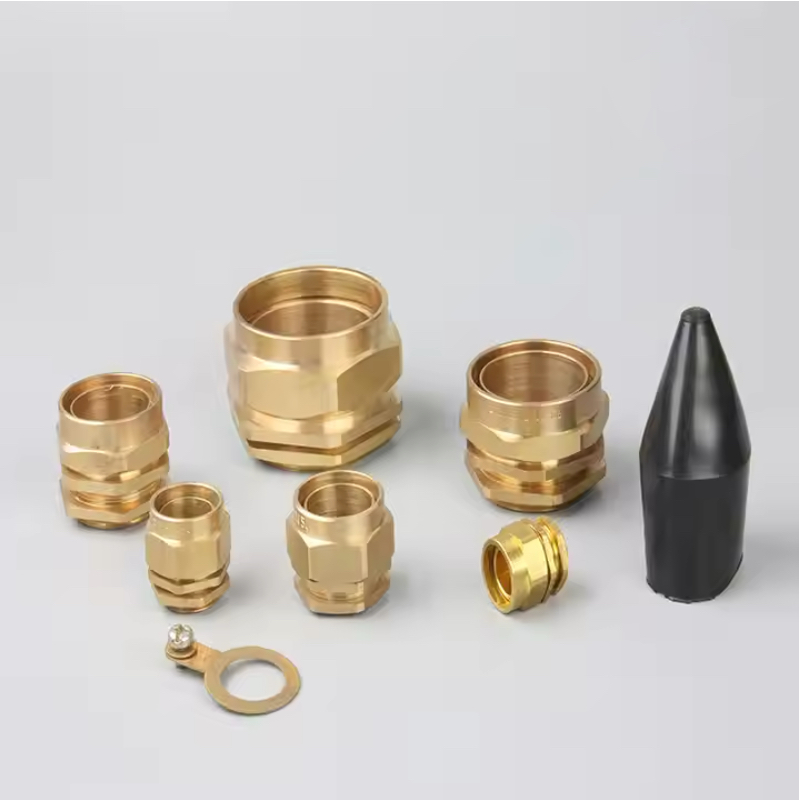
Environmental Condition Analysis
Flood Risk Assessment:
Understanding the specific flooding characteristics helps determine protection requirements:
Water Depth Considerations:
- Historical flood levels and frequency
- Climate change projections for increased severity
- Storm surge modeling for coastal locations
- Groundwater level variations
- Flash flood potential and drainage capacity
Duration Factors:
- Typical flood duration in the area
- Drainage and pumping system recovery time
- Access restrictions during flooding events
- Emergency response and restoration timelines
- Long-term submersion scenarios
Water Quality Analysis:
- Saltwater vs. freshwater exposure
- Chemical contamination from industrial sources
- Biological contamination from sewage systems
- Sediment and debris content
- Temperature variations during flood events
Performance Specification Requirements
Pressure Rating Determination:
Calculate required pressure resistance based on installation conditions:
Hydrostatic Pressure Calculation:
- Pressure = 0.1 bar per meter of water depth
- Add safety factor of 1.5-2.0 for dynamic conditions
- Consider wave action and surge pressures
- Account for system pressure variations
- Include margin for future flood level increases
IP Rating Selection:
- IP68: Continuous submersion at specified depth
- IP69K: High-pressure water jet resistance
- Custom Ratings: Extended duration or extreme depth requirements
- Combined Ratings: Multiple environmental challenges
- Certification Requirements: Third-party validation needs
Cable Compatibility Assessment
Cable Type Matching:
Ensure gland design accommodates specific cable characteristics:
Single Core Cables:
- Standard sealing requirements
- Strain relief considerations
- Temperature expansion accommodation
- Current carrying capacity maintenance
- Installation space requirements
Multi-Core Cables:
- Larger sealing diameter requirements
- Enhanced strain relief needs
- Cable bend radius considerations
- Multiple conductor sealing
- Increased installation complexity
Armored Cables:
- Armor termination and sealing
- Earth continuity requirements
- Enhanced clamping force needs
- Corrosion protection for armor
- Specialized installation tools
Specialized Cables:
- Fiber optic cables with delicate construction
- High-voltage cables with insulation requirements
- Instrumentation cables with signal integrity needs
- Heating cables with temperature considerations
- Composite cables with multiple functions
Material Selection Criteria
Housing Material Options:
Choose materials based on environmental exposure and performance requirements:
Stainless Steel 316L:
- Maximum corrosion resistance
- Suitable for marine and chemical environments
- Higher cost but longest service life
- Excellent mechanical strength
- Wide temperature range capability
Marine Brass:
- Good corrosion resistance at moderate cost
- Traditional choice for marine applications
- Adequate for most freshwater environments
- Good machinability for custom configurations
- Proven long-term performance
High-Performance Polymers:
- Chemical resistance for specific environments
- Lightweight for mobile applications
- Cost-effective for large installations
- Good electrical insulation properties
- Limited temperature range
Specialized Alloys:
- Custom solutions for extreme environments
- Enhanced performance for specific chemicals
- Higher cost but superior performance
- Limited availability and longer lead times
- Specialized installation requirements
Certification and Compliance Requirements
Standards Compliance:
Ensure selected glands meet applicable industry and regulatory standards:
International Standards:
- IEC 624445: Cable glands for electrical installations
- ISO 20653: Degrees of protection (IP ratings)
- IEC 60529: Ingress protection classification
- NEMA 250: Enclosure ratings for North American applications
- UL 514B: Conduit, tubing, and cable fittings
Industry-Specific Requirements:
- ATEX/IECEx for hazardous area applications
- Marine classification society approvals
- Nuclear industry quality assurance requirements
- Food and pharmaceutical industry hygiene standards
- Telecommunications industry performance specifications
Selection Process Workflow
Step 1: Environmental Assessment
- Document all environmental conditions and challenges
- Identify worst-case scenarios for design basis
- Assess long-term climate change impacts
- Evaluate maintenance and access constraints
Step 2: Performance Requirements
- Determine required IP ratings and pressure resistance
- Specify cable types and installation requirements
- Identify certification and compliance needs
- Establish service life and reliability targets
Step 3: Technical Evaluation
- Compare available products against requirements
- Evaluate material compatibility and performance
- Assess installation complexity and requirements
- Consider long-term maintenance and replacement needs
Step 4: Cost-Benefit Analysis
- Compare initial costs of different protection levels
- Evaluate potential failure costs and downtime
- Consider maintenance and replacement costs
- Assess insurance and liability implications
Step 5: Final Selection
- Select optimal balance of performance and cost
- Verify availability and delivery requirements
- Confirm installation support and documentation
- Plan spare parts inventory and maintenance procedures
At Bepto, we work closely with engineers to ensure they select the optimal deluge-proof protection for their specific applications. Our technical team provides detailed environmental assessment support and performance calculations to help customers avoid both over-specification and inadequate protection, ensuring cost-effective solutions that provide reliable long-term performance.
What Are the Installation Best Practices?
Proper installation of deluge-proof cable glands is critical for achieving specified performance levels and ensuring long-term reliability in extreme weather conditions.
Installation best practices for deluge-proof cable glands include thorough pre-installation planning, precise cable preparation, proper sealing compound application, correct torque sequences, comprehensive testing procedures, and detailed documentation to ensure maximum protection performance and facilitate future maintenance. Poor installation practices are the leading cause of premature seal failures, even with high-quality deluge-proof components.
Pre-Installation Preparation
Site Assessment and Planning:
Comprehensive preparation ensures successful installation and optimal performance:
Environmental Preparation:
- Schedule installation during favorable weather conditions
- Provide temporary weather protection for work areas
- Ensure adequate lighting and workspace access
- Prepare contamination-free assembly areas
- Organize tools and materials for efficient workflow
Cable Route Planning:
- Verify cable routing and support requirements
- Plan cable pulling sequences and coordination
- Identify potential installation conflicts
- Prepare cable entry points and sealing surfaces
- Coordinate with other trades and systems
Quality Control Setup:
- Calibrate torque wrenches and measurement tools
- Prepare inspection and testing equipment
- Organize documentation and record-keeping systems
- Train installation teams on specific procedures
- Establish quality checkpoints and hold points
Cable Preparation Procedures
Precision Cable Stripping:
Proper cable preparation is essential for effective sealing:
Measurement and Marking:
- Use manufacturer’s specifications for strip lengths
- Mark cables clearly before cutting
- Verify measurements multiple times
- Account for cable construction variations
- Plan for final adjustments during assembly
Cutting and Stripping Techniques:
- Use sharp, appropriate tools for clean cuts
- Avoid damage to inner conductors or insulation
- Remove cable jacket material completely
- Clean cable surfaces of cutting debris
- Inspect for damage before proceeding
Cable End Protection:
- Apply temporary protection to prevent contamination
- Use appropriate cable pulling compounds
- Protect conductor insulation from damage
- Maintain cable identification throughout process
- Prepare cables just before gland assembly
Sealing System Assembly
Component Inspection and Preparation:
Verify all components before assembly:
Gland Component Verification:
- Inspect all sealing elements for damage
- Verify correct sizes and specifications
- Check thread condition and cleanliness
- Confirm elastomer material compatibility
- Organize components in assembly sequence
Sealing Compound Application:
- Use only manufacturer-approved compounds
- Apply thin, even coats to specified surfaces
- Avoid contamination of sealing surfaces
- Allow proper curing time where required
- Clean excess compound from visible areas
Assembly Sequence:
- Initial Positioning: Loosely assemble all components
- Cable Insertion: Position cable with proper strain relief
- Primary Sealing: Engage main sealing elements
- Secondary Sealing: Apply thread sealants and gaskets
- Final Tightening: Apply specified torque in proper sequence
Torque Application and Verification
Proper Torque Procedures:
Correct torque application ensures optimal sealing without component damage:
Torque Sequence:
- Follow manufacturer’s specified tightening sequence
- Apply torque gradually in multiple stages
- Use calibrated torque wrenches for accuracy
- Verify torque values after initial tightening
- Re-check torque after thermal cycling where applicable
Quality Control Measures:
- Document all torque values applied
- Photograph critical assembly steps
- Verify proper seal positioning
- Check for component damage or distortion
- Confirm proper cable strain relief
Testing and Verification Procedures
Installation Testing:
Comprehensive testing verifies installation quality:
Immediate Testing:
- Visual inspection of all sealing interfaces
- Continuity testing for electrical connections
- Insulation resistance testing where applicable
- Mechanical integrity verification
- Documentation of test results
Performance Verification:
- Pressure testing where facilities permit
- Submersion testing for critical applications
- Thermal cycling for temperature-sensitive installations
- Vibration testing for mobile applications
- Long-term monitoring setup where required
Environmental Protection During Installation
Weather Considerations:
Protect installation quality during adverse conditions:
Moisture Control:
- Avoid installation during precipitation
- Use temporary covers for work areas
- Control humidity in enclosed spaces
- Protect components from condensation
- Implement drainage for work areas
Temperature Management:
- Consider elastomer performance at installation temperature
- Allow components to reach ambient temperature
- Account for thermal expansion during assembly
- Plan for temperature variations during curing
- Document installation temperature conditions
Documentation and Commissioning
Installation Records:
Maintain comprehensive documentation for future reference:
Component Documentation:
- Record all component serial numbers and certifications
- Document installation torque values and procedures
- Photograph critical installation details
- Maintain supplier technical documentation
- Create as-built drawings and specifications
Performance Documentation:
- Record all test results and measurements
- Document any deviations from standard procedures
- Create maintenance schedules and procedures
- Establish spare parts inventory requirements
- Train maintenance personnel on system requirements
Commissioning Procedures:
- Complete system electrical testing
- Verify protection system operation
- Test emergency procedures and access
- Confirm monitoring and alarm systems
- Establish baseline performance measurements
I recently supervised an installation at a flood-prone data center in New Orleans, where the installation team initially rushed through the cable preparation process. We stopped the work and retrained the team on proper procedures, which added two days to the schedule but prevented potential seal failures. When Hurricane Ida brought unprecedented flooding to the area six months later, our installation maintained perfect seal integrity while several other facilities with rushed installations suffered extensive water damage and weeks of downtime.
How Do Deluge-Proof Glands Compare to Standard Options?
Understanding the performance differences between deluge-proof and standard cable glands helps engineers make informed decisions about when enhanced protection justifies additional investment.
Deluge-proof cable glands provide superior water protection through enhanced sealing systems, pressure-resistant designs, and premium materials, typically costing 2-3 times more than standard glands but delivering 10-20 times better reliability in extreme weather conditions, making them cost-effective for critical applications where failure consequences are severe. The performance gap becomes critical during actual flooding events when standard glands fail catastrophically.
Performance Comparison Analysis
Water Ingress Protection:
The fundamental difference lies in water exclusion capability under pressure:
Standard Cable Glands:
- IP65/IP67 ratings for normal environmental protection
- Effective against rain, spray, and temporary water exposure
- Single-barrier sealing systems with basic elastomers
- Pressure resistance typically limited to 1 bar or less
- Suitable for indoor and protected outdoor applications
Deluge-Proof Cable Glands:
- IP68/IP69K ratings for continuous submersion protection
- Effective against prolonged flooding and high-pressure water
- Multiple-barrier sealing systems with premium elastomers
- Pressure resistance up to 10 bar or higher
- Designed for extreme outdoor and underwater applications
Real-World Performance Data:
Based on field testing and actual flood events:
- Standard glands: 15-25% failure rate during major flooding
- Deluge-proof glands: <2% failure rate under same conditions
- Recovery time: Standard systems require 2-4 weeks for restoration
- Recovery time: Deluge-proof systems typically operational within days
Material and Construction Differences
Sealing System Design:
The engineering approaches differ significantly:
Standard Gland Construction:
- Single compression seal around cable
- Basic thread sealing with standard compounds
- Standard elastomers (NBR, EPDM)
- Minimal redundancy in sealing systems
- Cost-optimized material selection
Deluge-Proof Construction:
- Multiple independent sealing barriers
- Enhanced thread sealing with premium compounds
- High-performance elastomers with extended capabilities
- Redundant sealing for fail-safe operation
- Performance-optimized material selection
Housing Strength Comparison:
- Standard: Adequate for normal mechanical loads
- Deluge-Proof: Reinforced for hydrostatic pressure resistance
- Wall Thickness: 50-100% thicker in deluge-proof designs
- Thread Engagement: Extended threads for pressure resistance
- Material Grade: Higher-grade alloys and treatments
Cost-Benefit Analysis
Initial Investment Comparison:
Understanding the cost differential and value proposition:
Purchase Price Analysis:
- Standard nylon glands: $5-15 per unit
- Standard brass glands: $15-40 per unit
- Deluge-proof brass glands: $40-80 per unit
- Deluge-proof stainless steel: $60-120 per unit
- Premium deluge-proof systems: $100-200+ per unit
Total Cost of Ownership:
Consider long-term costs beyond initial purchase:
Standard Gland Lifecycle Costs:
- Initial purchase: 100% (baseline)
- Installation labor: 100% (baseline)
- Maintenance costs: 100% (baseline)
- Failure replacement: High risk
- Downtime costs: Potentially severe
- Insurance implications: Higher premiums possible
Deluge-Proof Lifecycle Costs:
- Initial purchase: 200-400% of standard
- Installation labor: 110-120% (slightly more complex)
- Maintenance costs: 80-90% (better reliability)
- Failure replacement: Very low risk
- Downtime costs: Minimal
- Insurance implications: Potential premium reductions
Application-Specific Value Analysis
Risk-Based Selection Criteria:
Choose protection level based on failure consequences:
Low-Risk Applications:
- Indoor installations with flood protection
- Non-critical systems with acceptable downtime
- Easy access for maintenance and replacement
- Recommendation: Standard glands with good maintenance
Medium-Risk Applications:
- Outdoor installations in moderate flood zones
- Important but non-critical systems
- Moderate downtime costs and consequences
- Recommendation: Selective use of deluge-proof for key connections
High-Risk Applications:
- Critical infrastructure in flood-prone areas
- Safety systems and emergency equipment
- High downtime costs or safety consequences
- Recommendation: Comprehensive deluge-proof protection
Critical Applications:
- Life safety systems in extreme environments
- Infrastructure with no acceptable downtime
- Regulatory requirements for maximum protection
- Recommendation: Highest-grade deluge-proof systems
Performance Under Actual Conditions
Field Performance Data:
Real-world experience demonstrates the value of enhanced protection:
Hurricane Harvey (2017) – Houston Industrial Area:
- Standard glands: 35% failure rate in flooded facilities
- Deluge-proof glands: 3% failure rate under same conditions
- Average restoration time difference: 3 weeks vs. 4 days
- Insurance claims: 15x higher for standard gland failures
European Floods (2021) – Industrial Facilities:
- Standard systems: €50M+ in electrical damage
- Deluge-proof systems: <€2M in damage under same conditions
- Production loss: 6 weeks average vs. 1 week average
- Customer satisfaction: Dramatically higher for protected facilities
Selection Decision Matrix
| Factor | Standard Glands | Deluge-Proof Glands | Decision Criteria |
|---|---|---|---|
| Initial Cost | Low ($5-40) | High ($40-200+) | Budget constraints |
| Flood Protection | Basic (IP65/67) | Superior (IP68/69K) | Flood risk level |
| Pressure Resistance | <1 bar | Up to 10+ bar | Submersion depth |
| Reliability | Good (normal conditions) | Excellent (extreme conditions) | Failure consequences |
| Maintenance | Standard | Reduced | Access and labor costs |
| Service Life | 10-15 years | 15-25 years | Lifecycle planning |
| Insurance Impact | Standard rates | Potential discounts | Risk management |
Implementation Strategy
Phased Approach:
Consider gradual implementation based on priorities:
Phase 1: Critical Systems
- Identify highest-risk connections
- Implement deluge-proof protection for safety systems
- Document performance improvements
- Build experience with enhanced systems
Phase 2: Important Systems
- Expand protection to production-critical connections
- Evaluate cost-benefit results from Phase 1
- Refine selection criteria based on experience
- Train maintenance staff on new systems
Phase 3: Comprehensive Protection
- Consider facility-wide implementation
- Negotiate volume pricing for large quantities
- Standardize on proven deluge-proof solutions
- Integrate with overall facility resilience planning
Marcus, the plant engineer at a chemical facility in Louisiana, initially resisted specifying deluge-proof glands due to their higher cost. After Hurricane Laura caused $3.2 million in damage to electrical systems protected by standard glands, while a neighboring facility with deluge-proof protection suffered minimal damage, he now specifies enhanced protection for all new installations. The insurance premium reductions alone justify 40% of the additional cost, while the avoided downtime risk provides tremendous additional value.
Conclusion
Deluge-proof cable glands represent a critical upgrade from standard protection systems, offering superior water ingress protection through multiple sealing barriers, pressure-resistant designs, and premium materials. While initial costs are 2-3 times higher than standard glands, the dramatic reduction in failure rates during extreme weather events makes them highly cost-effective for critical applications. Industries from coastal manufacturing to flood-prone infrastructure increasingly rely on deluge-proof protection to maintain operations during severe weather events. At Bepto, our comprehensive range of deluge-proof cable glands provides engineers with reliable solutions for the most challenging environmental conditions. Remember, the cost of prevention is always less than the cost of failure – especially when safety and critical operations are at stake! 😉
FAQs About Deluge-Proof Cable Glands
Q: What’s the difference between IP68 and IP69K ratings for deluge-proof glands?
A: IP68 provides protection against continuous submersion at specified depths, while IP69K offers protection against high-pressure, high-temperature water jets. Deluge-proof glands often combine both ratings to handle submersion and pressure washing scenarios.
Q: How deep can deluge-proof cable glands be submerged?
A: Most deluge-proof glands are rated for continuous submersion up to 10 meters (1 bar hydrostatic pressure), with premium models handling depths up to 100 meters or more. Specific depth ratings vary by manufacturer and design.
Q: Are deluge-proof cable glands worth the extra cost for indoor applications?
A: For indoor applications, deluge-proof glands are typically only justified in areas with high flooding risk, such as basements, underground facilities, or buildings in flood-prone areas. Standard glands usually provide adequate protection for normal indoor environments.
Q: How long do deluge-proof cable glands last in marine environments?
A: Quality deluge-proof glands with marine-grade materials typically last 15-25 years in saltwater environments, compared to 5-10 years for standard glands. Regular inspection and maintenance can extend service life significantly.
Q: Can I retrofit existing installations with deluge-proof cable glands?
A: Yes, existing installations can usually be upgraded to deluge-proof glands, though it may require cable modifications or panel alterations to accommodate larger gland sizes. Professional assessment is recommended to ensure proper fit and performance.
-
See the official Ingress Protection (IP) code definitions from the IEC standard to understand these ratings. ↩
-
Learn the physics principle of hydrostatic pressure and how it relates to water depth. ↩
-
Review the standard procedure for salt spray (fog) testing used to evaluate corrosion resistance. ↩
-
Understand the meteorological factors that create storm surge, a major coastal flooding hazard. ↩
-
Access the official abstract and scope of the IEC 62444 standard governing cable glands for electrical installations. ↩