When David, a procurement manager from a major automotive manufacturer in Detroit, called me last month, he was frustrated. “Samuel, I’ve been sourcing PG16 cable glands for our new production line, but half the suppliers can’t even explain the basic sizing requirements properly. We need precision, not guesswork.”
PG16 metal cable glands are designed for cables with outer diameters ranging from 10-14mm, featuring M16×1.5 threading and providing IP681 waterproof protection. These standardized cable entry solutions ensure reliable sealing and strain relief in industrial applications where durability matters most.
As someone who’s spent over a decade in the cable gland industry, I’ve seen too many projects delayed because of improper sizing. That’s why I’m sharing this comprehensive technical guide – to help you make informed decisions and avoid costly mistakes. 😉
Table of Contents
- What Are PG16 Metal Cable Glands?
- How Do You Determine the Right PG16 Size?
- What Materials Work Best for PG16 Applications?
- How Do You Install PG16 Cable Glands Properly?
- What Industries Commonly Use PG16 Glands?
- FAQs About PG16 Metal Cable Glands
What Are PG16 Metal Cable Glands?
PG16 cable glands represent a standardized cable entry solution following German DIN standards, specifically designed for medium-duty industrial applications.
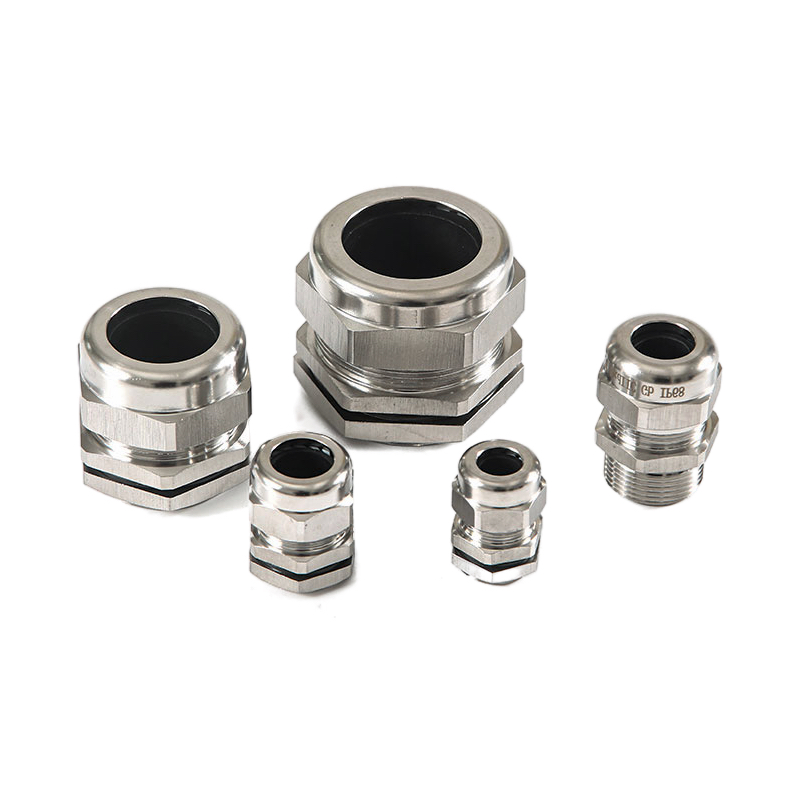
The “PG” designation stands for “Panzer-Gewinde2” (armored thread in German), while “16” indicates the nominal thread diameter of 16mm. These glands feature M16×1.5 metric threading and accommodate cable diameters from 10mm to 14mm, making them versatile for various industrial cables.
Key Technical Specifications
| Specification | Value |
|---|---|
| Thread Size | M16×1.5 |
| Cable Range | 10-14mm |
| Thread Length | 8-12mm |
| IP Rating | IP68 (when properly installed) |
| Temperature Range | -40°C to +100°C (standard) |
| Material Options | Brass, Stainless Steel 316L, Nickel-plated Brass |
At Bepto, we manufacture PG16 glands in three primary materials: brass for standard applications, stainless steel 316L3 for corrosive environments, and nickel-plated brass for enhanced durability. Each material serves specific environmental requirements while maintaining the same dimensional standards.
The beauty of PG16 glands lies in their standardization. Unlike proprietary sizing systems, PG threading ensures compatibility across different manufacturers – though quality can vary significantly. That’s where our rigorous quality control and ISO9001 certification make the difference.
How Do You Determine the Right PG16 Size?
Proper PG16 sizing requires measuring your cable’s outer diameter and ensuring it falls within the 10-14mm range, while considering jacket material and environmental factors.
Here’s my proven three-step sizing process that I’ve refined over years of customer consultations:
Step 1: Measure Cable Outer Diameter
Use precision calipers to measure the cable at its widest point, including any outer sheathing or armor. For oval cables, measure both dimensions and use the larger measurement. Add 0.5mm tolerance for manufacturing variations.
Step 2: Verify Thread Compatibility
Confirm your equipment accepts M16×1.5 threading. Some older equipment might use imperial threads or different metric pitches. I once helped Hassan, an operations manager at a petrochemical facility in Dubai, avoid a costly mistake when he nearly ordered PG16 glands for equipment that required NPT threading4.
Step 3: Consider Environmental Factors
- Temperature extremes: Standard PG16 glands handle -40°C to +100°C
- Chemical exposure: Stainless steel 316L for acids, brass for general use
- Vibration levels: Consider strain relief requirements
- IP rating needs: PG16 achieves IP68 with proper installation
Common Sizing Mistakes to Avoid
- Ignoring cable tolerance: Cables can vary ±0.5mm from specifications
- Overlooking armor diameter: Armored cables require larger gland sizes
- Mixing thread standards: PG16 is metric M16×1.5, not 16mm NPT
- Underestimating environmental factors: Chemical compatibility matters
What Materials Work Best for PG16 Applications?
Material selection for PG16 cable glands depends on environmental conditions, with brass offering cost-effectiveness, stainless steel providing corrosion resistance, and nickel-plated brass delivering enhanced durability.

Brass PG16 Cable Glands
Our brass PG16 glands use CW617N brass5 (58% copper, 39% zinc, 3% lead), providing excellent machinability and corrosion resistance for standard industrial environments. The natural antimicrobial properties of brass make it ideal for food processing and pharmaceutical applications.
Best for: General industrial use, indoor installations, moderate temperature applications
Avoid when: High salt exposure, acidic environments, temperatures above 100°C
Stainless Steel 316L PG16 Glands
316L stainless steel offers superior corrosion resistance with low carbon content preventing carbide precipitation. The molybdenum content (2-3%) provides excellent resistance to chlorides and marine environments.
Best for: Chemical processing, marine applications, high-temperature environments
Consider cost: 3-4x more expensive than brass but justified for harsh conditions
Nickel-Plated Brass PG16 Options
Our nickel plating process applies 8-12 micron coating thickness, providing enhanced corrosion protection while maintaining brass’s excellent conductivity and machinability.
Best for: Moderate corrosive environments, cost-sensitive projects requiring better protection than standard brass
Limitations: Plating can wear in high-vibration applications
How Do You Install PG16 Cable Glands Properly?
Proper PG16 installation requires correct torque application (12-15 Nm), adequate thread engagement (minimum 5 threads), and proper sealing ring compression for IP68 protection.
Installation Process
- Prepare the cable: Strip outer jacket to expose conductors, leaving 15-20mm of jacket for gland grip
- Thread sequence: Install locknut, sealing washer, then gland body
- Panel mounting: Ensure 8-10mm thread engagement through panel
- Cable insertion: Push cable through until jacket seats properly in sealing area
- Tightening: Apply 12-15 Nm torque to compression nut using proper spanner
Critical Installation Points
The sealing ring must compress evenly around the cable jacket. Over-tightening can damage the cable jacket, while under-tightening compromises IP rating. I always recommend using a calibrated torque wrench rather than “feel” – it’s saved countless installations from premature failure.
Testing Your Installation
After installation, perform these verification steps:
- Visual inspection for even sealing ring compression
- Gentle cable pull test (50N force maximum)
- IP rating verification using appropriate test equipment
- Documentation of installation torque values
What Industries Commonly Use PG16 Glands?
PG16 cable glands serve diverse industries including automation, renewable energy, transportation, and process control, where reliable cable entry solutions are essential for operational safety.
Automation and Control Systems
Manufacturing facilities rely on PG16 glands for sensor cables, actuator connections, and control panel entries. The 10-14mm cable range perfectly matches common industrial cable sizes for temperature sensors, proximity switches, and servo motor feedback cables.
Renewable Energy Applications
Solar installations increasingly use PG16 glands for DC combiner boxes and inverter connections. The IP68 rating ensures long-term reliability in outdoor environments, while stainless steel options handle coastal installations.
Transportation Industry
Railway signaling systems, automotive test equipment, and marine electronics frequently specify PG16 glands. The vibration resistance and environmental sealing make them ideal for mobile applications.
Process Industries
Chemical plants, water treatment facilities, and food processing operations depend on PG16 glands for instrumentation cables. Material selection becomes critical – we’ve supplied thousands of 316L stainless steel PG16 glands to petrochemical facilities across the Middle East.
Conclusion
Selecting the right PG16 metal cable gland isn’t just about matching thread sizes – it’s about understanding your application requirements, environmental conditions, and long-term reliability needs. Whether you’re specifying brass for cost-effectiveness, stainless steel for harsh environments, or nickel-plated options for enhanced protection, proper sizing and installation ensure years of trouble-free operation.
At Bepto, we’ve built our reputation on providing precisely engineered PG16 solutions backed by comprehensive technical support. Our ISO9001 quality management ensures every gland meets specifications, while our experienced team helps you navigate the selection process with confidence.
FAQs About PG16 Metal Cable Glands
Q: What cable sizes fit PG16 cable glands?
A: PG16 cable glands accommodate cables with outer diameters from 10mm to 14mm. Always measure your specific cable with calipers, as manufacturer specifications can vary by ±0.5mm.
Q: Can I use PG16 glands outdoors?
A: Yes, PG16 metal cable glands achieve IP68 rating when properly installed, making them suitable for outdoor applications. Choose stainless steel 316L for marine or highly corrosive environments.
Q: What’s the difference between PG16 and M16 cable glands?
A: PG16 uses M16×1.5 metric threading but follows German DIN standards for dimensions. M16 typically refers to metric cable glands that may have different cable ranges or sealing designs.
Q: How much torque should I apply when installing PG16 glands?
A: Apply 12-15 Nm torque to the compression nut using a calibrated torque wrench. Over-tightening can damage the cable jacket, while under-tightening compromises the IP rating.
Q: Are PG16 cable glands compatible with armored cables?
A: Standard PG16 glands work with lightly armored cables within the 10-14mm range. For heavily armored cables or those requiring EMC shielding, consider specialized armored cable glands with larger size ranges.
-
Detailed breakdown of the Ingress Protection (IP) code system defined by IEC 60529. ↩
-
Historical context and technical specifications of the Panzer-Gewinde (PG) thread standard. ↩
-
Technical data on 316L grade stainless steel, focusing on its low carbon content and corrosion resistance. ↩
-
Overview of the National Pipe Taper (NPT) standard widely used in North American fluid power systems. ↩
-
Composition and mechanical properties of CW617N (CuZn40Pb2) brass, a standard material for industrial fittings. ↩