As someone who’s spent over a decade in the cable gland industry, I can’t tell you how many times I’ve had customers ask me about the difference between “metallic” and “metal” cable glands. Just last week, David from a major automotive manufacturer in Detroit called me, clearly frustrated: “Samuel, I’m getting quotes from different suppliers, and some say ‘metal cable glands’ while others say ‘metallic cable glands.’ Are they trying to confuse me or is there actually a difference?”
The truth is, in the cable gland industry, “metallic” and “metal” cable glands refer to the same product category – cable glands made from metal materials like brass, stainless steel, or aluminum. The terminology difference is purely linguistic preference rather than a technical distinction, though understanding the nuances can help you communicate more effectively with suppliers and avoid confusion in procurement.
Here’s what makes this topic particularly important: when you’re sourcing cable glands for critical applications, clarity in terminology ensures you get exactly what you need. Whether you call them metal or metallic cable glands, what matters most is understanding the material specifications, certifications, and performance characteristics that match your application requirements.
Table of Contents
- What Are Metal and Metallic Cable Glands?
- Why Do Different Suppliers Use Different Terms?
- How Do Material Specifications Matter More Than Terminology?
- What Should You Focus on When Selecting Cable Glands?
- FAQs About Metal vs Metallic Cable Glands
What Are Metal and Metallic Cable Glands?
Let me clear this up right away: both “metal” and “metallic” cable glands describe the exact same product category – cable glands manufactured from metal materials rather than plastic or composite materials.
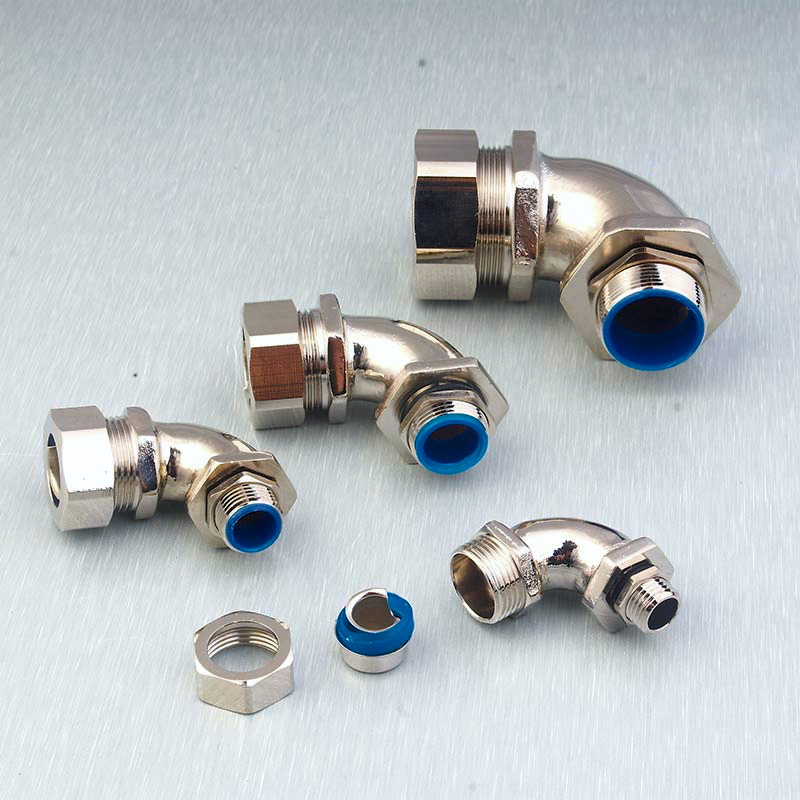
In our industry, we typically work with several key metal materials:
Primary Metal Materials
- Brass Cable Glands: Most common for general industrial applications
- Stainless Steel Cable Glands: Preferred for harsh environments and marine applications
- Aluminum Cable Glands: Lightweight option for aerospace and automotive
- Nickel-Plated Brass: Enhanced corrosion resistance for chemical environments
The confusion often arises because different regions and industries have linguistic preferences. In North America, “metal cable glands” is more commonly used, while European suppliers often prefer “metallic cable glands.” Both terms appear in technical specifications, datasheets, and industry standards interchangeably.
Technical Standards Perspective
International standards like IEC 624441 and UL 514B2 don’t differentiate between “metal” and “metallic” terminology. They focus on material properties, performance requirements, and testing criteria regardless of the linguistic preference used by manufacturers or specifiers.
Why Do Different Suppliers Use Different Terms?
Having worked with suppliers across different continents, I’ve noticed distinct patterns in terminology usage that often confuse buyers.
The terminology preference typically stems from regional linguistic traditions, company branding strategies, and target market preferences rather than any technical differentiation.
Regional Preferences
- North American suppliers: Tend to use “metal cable glands”
- European suppliers: Often prefer “metallic cable glands”
- Asian manufacturers: Use both terms interchangeably depending on target market
Industry-Specific Usage
Different industries also show preferences:
- Oil & Gas: More likely to specify “metallic cable glands” in technical documents
- Automotive: Commonly uses “metal cable glands” in specifications
- Marine: Both terms appear equally in maritime standards
I remember working with Hassan, a procurement manager for a major petrochemical facility in Saudi Arabia. He was initially concerned when he received quotes using different terminology from various suppliers. After explaining that both terms referred to identical products, he focused on the material certifications and performance specifications instead – which is exactly the right approach.
Marketing and Branding Factors
Some suppliers choose terminology based on:
- SEO considerations: Targeting different search terms
- Brand differentiation: Creating perceived uniqueness
- Customer base: Matching the language their clients typically use
How Do Material Specifications Matter More Than Terminology?
Here’s what really matters when selecting cable glands – and it has nothing to do with whether they’re called “metal” or “metallic.”
Focus on material grade, corrosion resistance, temperature ratings, and certification compliance rather than terminology preferences.

Critical Material Properties
| Property | Brass | Stainless Steel 316L | Aluminum | Nickel-Plated Brass |
|---|---|---|---|---|
| Corrosion Resistance | Good | Excellent | Good | Very Good |
| Temperature Range | -40°C to +100°C | -60°C to +200°C | -40°C to +150°C | -40°C to +120°C |
| Strength | High | Very High | Medium | High |
| Cost | Low | High | Medium | Medium |
Essential Certifications
Regardless of terminology, ensure your cable glands meet:
- IP ratings3: IP68 for harsh environments
- ATEX certification: For explosive atmospheres
- UL listing: For North American installations
- CE marking: For European compliance
- Marine approvals: For offshore applications
At Bepto, we manufacture cable glands in all these materials, and I always tell customers: “Don’t get hung up on whether we call them metal or metallic – focus on getting the right material for your specific application.”
Performance Over Terminology
When evaluating suppliers, prioritize:
- Material traceability4: Can they provide mill certificates?
- Quality certifications: ISO 9001, IATF 16949 compliance
- Testing capabilities: In-house or certified lab testing
- Technical support: Engineering assistance for application-specific requirements
What Should You Focus on When Selecting Cable Glands?
After helping hundreds of customers navigate cable gland selection, I’ve developed a systematic approach that eliminates terminology confusion and focuses on what actually matters.
Successful cable gland selection depends on matching material properties, environmental requirements, and certification needs to your specific application – not on whether suppliers use “metal” or “metallic” in their descriptions.
Step-by-Step Selection Process
1. Define Environmental Requirements
- Temperature extremes: Operating and storage ranges
- Chemical exposure: Acids, bases, solvents, oils
- Moisture conditions: Humidity, direct water exposure, submersion
- Mechanical stress: Vibration, impact, cable pull forces
2. Determine Certification Needs
- Safety standards: UL, CSA, VDE requirements
- Environmental ratings: IP65, IP66, IP68 protection levels
- Hazardous area approvals: ATEX, IECEx, NEC classifications
- Industry-specific: Marine, railway, aerospace certifications
3. Specify Technical Parameters
- Thread specifications: Metric, NPT, PG threading
- Cable diameter range: Minimum and maximum accommodation
- Entry/exit configurations: Straight, 90-degree, multiple entries
- Sealing requirements: Single, double, or triple seal designs
Real-World Application Example
Recently, I worked with a renewable energy company installing solar farms across multiple climate zones. Instead of getting caught up in terminology debates, we focused on:
- UV resistance: For outdoor exposure
- Temperature cycling: From desert heat to winter cold
- Corrosion protection: For coastal installations
- Cost optimization: Balancing performance with budget constraints
The result? We specified stainless steel cable glands for coastal sites and nickel-plated brass for inland locations – regardless of whether their specifications called them “metal” or “metallic” cable glands.
Quality Assurance Considerations
When working with any supplier, verify:
- Manufacturing standards: ISO 9001 quality management
- Material sourcing: Certified raw material suppliers
- Testing protocols: Comprehensive quality control procedures
- Traceability systems: Batch tracking and documentation
Conclusion
The terminology debate between “metallic” and “metal” cable glands is essentially a non-issue from a technical standpoint. Both terms describe the same product category, and the choice of terminology typically reflects regional preferences, marketing strategies, or industry conventions rather than any meaningful technical distinction.
What truly matters is understanding material properties, environmental requirements, and certification needs for your specific application. Whether your supplier calls them metal or metallic cable glands, focus on getting detailed specifications, proper certifications, and reliable technical support.
As I always tell my customers: spend your time evaluating material grades, corrosion resistance, and quality certifications rather than worrying about terminology preferences. That’s how you ensure successful installations and long-term reliability.
FAQs About Metal vs Metallic Cable Glands
Q: Are metal cable glands and metallic cable glands the same thing?
A: Yes, metal and metallic cable glands refer to the exact same products – cable glands manufactured from metal materials like brass, stainless steel, or aluminum. The terminology difference is purely linguistic preference with no technical distinction.
Q: Why do some suppliers use different terms for the same products?
A: Suppliers use different terminology based on regional preferences, target markets, and branding strategies. North American companies often prefer “metal cable glands” while European suppliers commonly use “metallic cable glands,” but both describe identical products.
Q: How do I know which metal material is right for my application?
A: Choose based on environmental conditions: brass for general industrial use, stainless steel for corrosive environments, aluminum for weight-sensitive applications, and nickel-plated brass for enhanced corrosion resistance. Consider temperature ranges, chemical exposure, and certification requirements.
Q: Do international standards differentiate between metal and metallic cable glands?
A: No, international standards like IEC 62444 and UL 514B focus on material properties and performance requirements without distinguishing between “metal” and “metallic” terminology. Both terms are used interchangeably in technical documentation.
Q: What should I prioritize when comparing quotes from different suppliers?
A: Focus on material specifications, quality certifications (ISO 9001, ATEX, IP ratings), technical support capabilities, and delivery reliability rather than terminology preferences. Ensure suppliers can provide material traceability and meet your specific application requirements.
-
Review the international standard specifying general requirements for cable glands used in electrical installations. ↩
-
Learn about the North American safety standard governing metallic fittings for electrical applications. ↩
-
Understand the global system for classifying the degree of protection provided by electrical enclosure seals. ↩
-
Discover the importance of tracking raw material origin and processing history in quality management systems. ↩