Yesterday, Robert, a project manager from a German automotive manufacturing plant, called me in frustration. “Samuel, we’ve had three M16 cable gland failures this month alone. The specifications looked perfect on paper, but our harsh industrial environment is destroying them within weeks!”
M16 metal cable glands feature 16mm metric threads with 1.5mm pitch, accommodate cables from 6-12mm diameter, and are manufactured in brass, stainless steel, or aluminum alloy materials to provide superior mechanical strength, EMC shielding, and environmental protection for demanding industrial applications.
This scenario perfectly illustrates why proper M16 metal cable gland selection goes far beyond basic thread size matching. After a decade at Bepto Connector, I’ve learned that understanding the intricate relationship between sizing precision, material properties, and installation techniques can mean the difference between reliable long-term performance and costly system failures. Let me share the comprehensive knowledge that’s helped engineers like Robert achieve flawless installations. 😉
Table of Contents
- What Makes M16 Metal Cable Glands Essential?
- How Do You Determine Proper M16 Sizing?
- Which Metal Materials Offer Best Performance?
- What Are the Critical Installation Requirements?
- How Do You Ensure Long-Term Reliability?
- FAQs About M16 Metal Cable Glands
What Makes M16 Metal Cable Glands Essential?
M16 metal cable glands represent the workhorse solution in our Bepto Connector product matrix, bridging medium-duty and heavy-duty applications with exceptional versatility and performance reliability.
M16 metal cable glands provide superior mechanical strength compared to plastic alternatives, offering enhanced EMC shielding effectiveness1 (>60dB), extended temperature ranges (-60°C to +200°C), and exceptional durability in harsh industrial environments requiring long-term reliability.
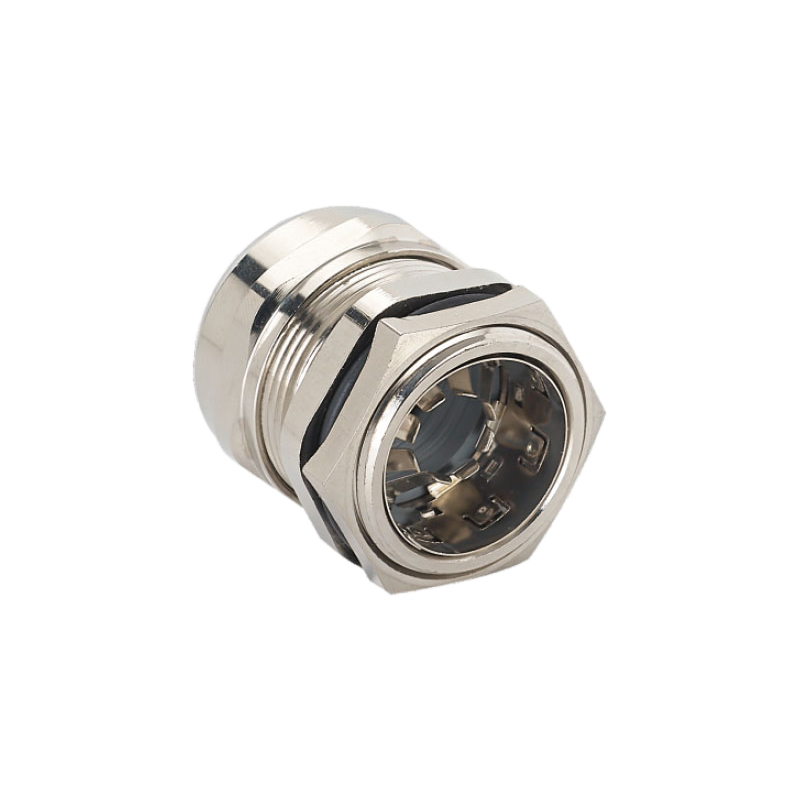
Technical Superiority Over Plastic Alternatives
The fundamental advantage of M16 metal construction becomes evident in demanding applications:
Mechanical Strength: Metal construction provides 3-5x higher tensile strength compared to nylon alternatives, crucial for applications with significant cable pull forces or vibration exposure.
EMC Performance: Brass and stainless steel M16 glands offer superior electromagnetic compatibility, with shielding effectiveness exceeding 60dB across frequency ranges from 10MHz to 10GHz.
Temperature Stability: Metal construction maintains dimensional stability and sealing integrity across extended temperature ranges, unlike plastic alternatives that may deform or crack under thermal cycling.
Application-Specific Advantages
Robert’s automotive manufacturing environment perfectly demonstrates M16 metal advantages:
| Performance Factor | Plastic M16 | Brass M16 | Stainless Steel M16 |
|---|---|---|---|
| Temperature Range | -40°C to +100°C | -40°C to +150°C | -60°C to +200°C |
| Vibration Resistance | Moderate | Excellent | Superior |
| Chemical Resistance | Limited | Good | Exceptional |
| EMC Shielding | None | >60dB | >65dB |
| Service Life | 3-5 years | 10-15 years | 15-25 years |
Industrial Environment Compatibility
At Bepto, we’ve engineered our M16 metal cable glands for specific industrial challenges:
Automotive Manufacturing: Resistance to cutting fluids, hydraulic oils, and continuous vibration from heavy machinery operations.
Chemical Processing: Superior corrosion resistance to acids, alkalis, and organic solvents commonly found in petrochemical facilities.
Marine Applications: Exceptional salt spray resistance and galvanic corrosion2 protection for offshore platforms and shipboard installations.
Food Processing: FDA-compliant materials with smooth surfaces preventing bacterial growth and facilitating thorough cleaning procedures.
How Do You Determine Proper M16 Sizing?
M16 cable gland sizing requires precise analysis of multiple dimensional parameters that directly impact installation success and long-term sealing performance.
Proper M16 sizing involves matching cable outer diameter (6-12mm range), calculating thread engagement depth (minimum 10mm recommended), determining panel thickness accommodation, and selecting appropriate seal compression ratios for optimal environmental protection.
Comprehensive Sizing Matrix
Cable Diameter Compatibility:
- Minimum cable diameter: 6.0mm
- Maximum cable diameter: 12.0mm
- Optimal grip range: 7-11mm for maximum retention force
- Tolerance consideration: ±0.2mm for manufacturing variations
Thread Engagement Calculations:
- Thread specification: M16 x 1.5 (16mm diameter, 1.5mm pitch)
- Minimum engagement: 6mm (emergency applications only)
- Recommended engagement: 10-12mm for standard applications
- High-stress engagement: 12-15mm for vibration/thermal cycling
Real-World Sizing Example
When Ahmed, a maintenance supervisor from a Dubai oil refinery, needed M16 glands for 9mm armored cables in 8mm thick panels:
Given Parameters:
- Cable outer diameter: 9.0mm (within 6-12mm range ✓)
- Panel thickness: 8mm
- Gland body thread length: 20mm
- Locknut thickness: 3mm
- Environment: High temperature, chemical exposure
Sizing Calculation:
Available thread engagement = 20mm – 8mm – 3mm = 9mm
Recommendation: Acceptable for standard applications, but specified 22mm body length for 11mm engagement due to harsh environment requirements.
Cable Grip Optimization
The internal cable grip design requires precise engineering for different cable types:
Standard PVC Cables:
- Grip cone angle: 12-15 degrees
- Surface texture: Fine knurling (0.3mm pitch)
- Compression ratio: 15-20% for optimal sealing
Armored Cables:
- Enhanced grip design with deeper serrations
- Increased compression force capability
- Specialized earthing features for steel wire armor
Flexible Cables:
- Reduced compression force to prevent conductor damage
- Wider grip zone for improved strain relief
- Softer seal materials to accommodate cable movement
Which Metal Materials Offer Best Performance?
M16 metal cable gland material selection involves complex engineering trade-offs between mechanical properties, corrosion resistance, cost considerations, and specific application requirements.
M16 metal cable glands are manufactured in brass CW617N for standard industrial applications, stainless steel 316L3 for corrosive environments, and aluminum alloy for weight-critical applications, each offering distinct advantages in mechanical strength, chemical resistance, and electromagnetic shielding performance.
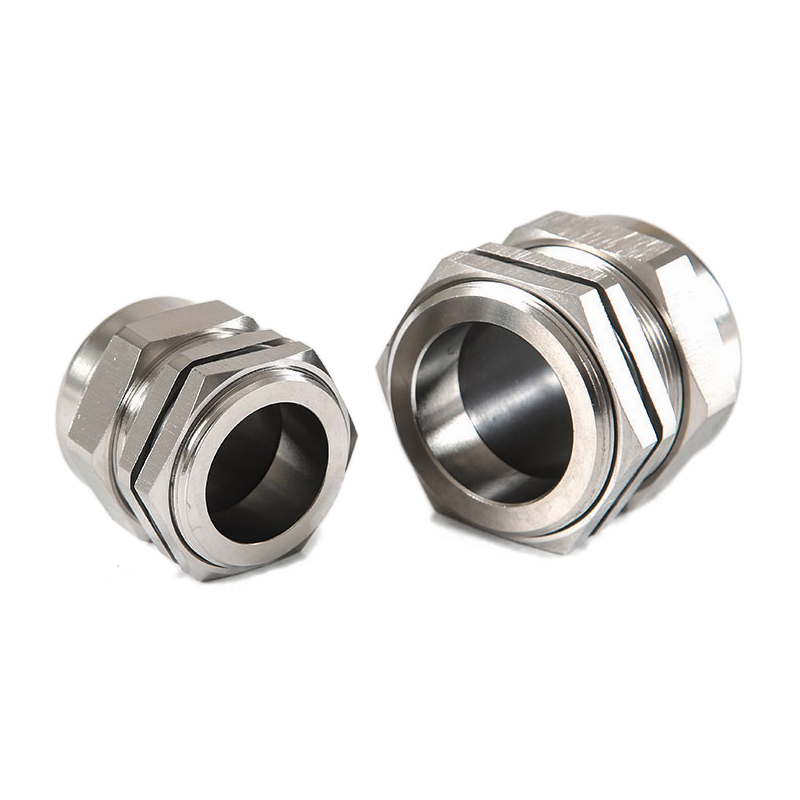
Detailed Material Properties
Brass CW617N (Lead-Free):
- Tensile strength: 380-420 MPa
- Yield strength: 140-180 MPa
- Operating temperature: -40°C to +150°C
- Corrosion resistance: Good in most industrial environments
- EMC shielding: >60dB effectiveness
- Machinability: Excellent for complex geometries
- Cost factor: 1.0x (baseline)
Stainless Steel 316L:
- Tensile strength: 520-670 MPa
- Yield strength: 210-310 MPa
- Operating temperature: -60°C to +200°C
- Corrosion resistance: Exceptional, including marine environments
- EMC shielding: >65dB effectiveness
- Magnetic properties: Non-magnetic (austenitic structure4)
- Cost factor: 2.8x
Aluminum Alloy 6061-T6:
- Tensile strength: 310 MPa
- Yield strength: 275 MPa
- Operating temperature: -40°C to +120°C
- Weight: 65% lighter than brass
- Corrosion resistance: Good with proper anodizing
- EMC shielding: >55dB effectiveness
- Cost factor: 1.8x
Application-Specific Material Selection
Robert’s Automotive Manufacturing:
Environment: Cutting fluids, hydraulic oils, continuous vibration
Material choice: Brass CW617N with NBR seals
Reasoning: Excellent machinability for custom modifications, superior vibration resistance, cost-effective for high-volume applications
Ahmed’s Oil Refinery:
Environment: H2S exposure, high temperatures, corrosive chemicals
Material choice: Stainless steel 316L with Viton seals
Reasoning: Maximum chemical resistance, extended temperature capability, long-term reliability in harsh conditions
Surface Treatment Options
Brass Surface Treatments:
- Nickel plating: Enhanced corrosion resistance, improved appearance
- Chrome plating: Maximum hardness, superior wear resistance
- Passivation: Natural oxide layer for basic corrosion protection
Stainless Steel Treatments:
- Electropolishing: Improved surface finish, enhanced corrosion resistance
- Passivation: Removes free iron, optimizes corrosion resistance
- PVD coating: Specialized applications requiring enhanced properties
What Are the Critical Installation Requirements?
M16 metal cable gland installation requires precise adherence to technical procedures that ensure optimal sealing performance, mechanical integrity, and long-term reliability.
Critical M16 installation requirements include proper thread preparation, calibrated torque application (15-25 Nm), correct seal positioning, adequate cable strain relief, and systematic testing procedures to verify IP protection levels and mechanical retention.
Pre-Installation Preparation
Panel Preparation:
- Hole diameter: 16.5mm ±0.1mm for optimal thread engagement
- Hole finish: Deburred edges, Ra 3.2μm maximum surface roughness5
- Panel thickness verification: Ensure adequate thread engagement depth
- Cleanliness: Remove all cutting fluids, debris, and contamination
Cable Preparation:
- Cable end preparation: Clean cut, no frayed conductors
- Outer jacket inspection: No cuts, nicks, or damage within grip zone
- Diameter verification: Confirm cable fits within 6-12mm range
- Conductor protection: Temporary covering during installation
Installation Procedure
Step 1: Component Assembly
- Install primary O-ring seal in thread groove
- Apply thin layer of compatible thread sealant if required
- Position cable through gland body before panel installation
Step 2: Panel Installation
- Thread gland body into panel opening
- Hand-tighten until O-ring contacts panel surface
- Apply calibrated torque: 15-25 Nm for standard applications
Step 3: Cable Termination
- Position cable at desired depth within gland
- Tighten compression fitting gradually in 1/4-turn increments
- Monitor cable deformation to prevent over-compression
- Final torque: 8-12 Nm for compression nut
Torque Specifications and Tools
Installation Torque Requirements:
- Thread engagement torque: 15-25 Nm (standard applications)
- High-vibration applications: 20-30 Nm maximum
- Compression nut torque: 8-12 Nm
- Over-torque prevention: Use calibrated torque wrench
Required Tools:
- Calibrated torque wrench (5-35 Nm range)
- Appropriate hex keys or spanners
- Thread gauge for verification
- Cable diameter measuring tools
Robert’s automotive plant achieved zero failures after implementing our systematic installation procedure, including mandatory torque wrench calibration and installer certification programs.
How Do You Ensure Long-Term Reliability?
M16 metal cable gland long-term reliability depends on comprehensive maintenance strategies, environmental monitoring, and proactive replacement scheduling based on application-specific wear patterns.
Long-term M16 reliability requires regular inspection schedules, environmental monitoring, preventive seal replacement, proper documentation, and systematic performance testing to identify potential failures before they compromise system integrity.
Preventive Maintenance Schedule
Monthly Inspections:
- Visual inspection for corrosion, damage, or loosening
- Torque verification using calibrated equipment
- Environmental seal integrity assessment
- Documentation of any anomalies or changes
Annual Maintenance:
- Complete disassembly and component inspection
- Seal replacement with compatible materials
- Thread condition assessment and cleaning
- Performance testing including IP rating verification
Environmental Monitoring:
- Temperature logging for thermal cycling assessment
- Chemical exposure documentation
- Vibration monitoring in high-stress applications
- Corrosion rate assessment in harsh environments
Performance Testing Procedures
IP Rating Verification:
- Pressure testing to specified IP protection level
- Duration testing for sustained pressure exposure
- Temperature cycling during pressure testing
- Documentation of test results and pass/fail criteria
Mechanical Testing:
- Cable retention force measurement
- Vibration resistance testing
- Thermal cycling performance assessment
- Long-term aging studies under accelerated conditions
Ahmed’s refinery implemented our comprehensive maintenance program, resulting in 95% reduction in unplanned cable gland failures and significant cost savings through predictive replacement scheduling.
Conclusion
M16 metal cable glands represent the optimal solution for demanding industrial applications requiring superior mechanical strength, environmental protection, and long-term reliability. Success depends on precise sizing calculations, appropriate material selection, systematic installation procedures, and comprehensive maintenance strategies.
Both Robert’s automotive manufacturing plant and Ahmed’s oil refinery achieved exceptional performance by applying these technical principles systematically. At Bepto Connector, our decade of M16 metal cable gland manufacturing experience ensures every component meets the demanding requirements of modern industrial applications, backed by comprehensive technical support and quality certifications.
FAQs About M16 Metal Cable Glands
Q: What’s the difference between M16 brass and stainless steel cable glands?
A: Stainless steel M16 glands offer superior corrosion resistance and higher temperature capability (-60°C to +200°C vs -40°C to +150°C for brass), but cost approximately 2.8x more. Choose stainless steel for harsh chemical environments or marine applications, brass for standard industrial use.
Q: Can M16 metal cable glands be used with armored cables?
A: Yes, M16 metal cable glands accommodate armored cables up to 12mm outer diameter. However, armored cable applications require specialized glands with earthing features and enhanced grip designs to properly terminate the steel wire armor and provide electrical continuity.
Q: What torque should I use when installing M16 metal cable glands?
A: Apply 15-25 Nm torque for thread engagement and 8-12 Nm for the compression nut. Always use a calibrated torque wrench and never exceed 30 Nm to prevent thread damage or seal over-compression that could compromise long-term performance.
Q: How do I choose between M16 and M20 cable glands?
A: Choose M16 for cables 6-12mm diameter and M20 for cables 10-16mm diameter. Consider future cable upgrades, available panel space, and mechanical strength requirements. M16 provides adequate performance for most standard industrial applications while M20 offers enhanced mechanical strength.
Q: What’s the expected service life of M16 metal cable glands?
A: Brass M16 glands typically provide 10-15 years service life in standard industrial environments, while stainless steel versions can exceed 20 years. Actual service life depends on environmental conditions, installation quality, and maintenance practices. Regular inspection and seal replacement can extend service life significantly.
-
Learn how EMC shielding effectiveness is measured in decibels (dB) and what the ratings mean for industrial protection. ↩
-
Understand the electrochemical process of galvanic corrosion that occurs when two different metals are in contact in an electrolyte. ↩
-
Explore the chemical composition and specific corrosion-resistant properties of 316L stainless steel. ↩
-
Read about the austenitic crystalline structure that gives specific stainless steels their non-magnetic properties. ↩
-
Review the definition of Surface Roughness (Ra) and how it impacts the sealing capability of machined parts. ↩