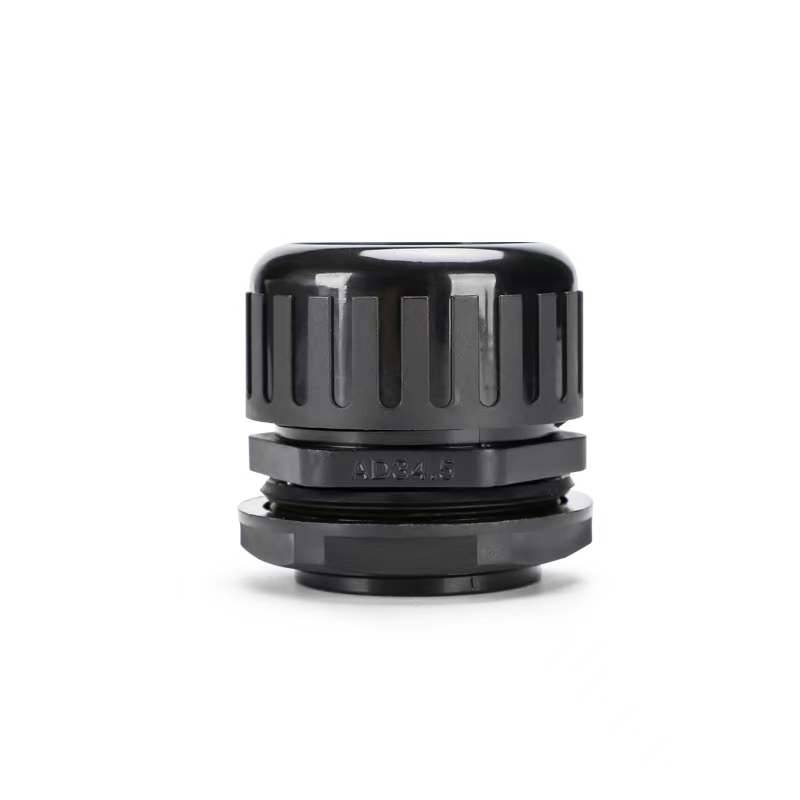
Choosing the wrong IP rating for cable glands in washdown or submersion applications leads to catastrophic equipment failures, with water ingress causing electrical shorts, corrosion, and safety hazards that can shut down entire production lines and create dangerous working conditions. Many engineers assume all high IP ratings provide similar protection, but the critical differences between IP68 and IP69K ratings can mean the difference between reliable operation and costly failures in demanding industrial environments. IP68 vs. IP69K cable glands serve different protection needs – IP68 provides continuous submersion protection up to specified depths and pressures for underwater applications, while IP69K offers superior high-pressure, high-temperature washdown resistance for food processing and pharmaceutical cleaning environments, with IP68 ideal for permanent underwater installations and IP69K essential for equipment requiring frequent high-pressure cleaning cycles. Throughout my decade of experience supplying cable glands to diverse industries, I’ve witnessed how proper IP rating selection prevents millions in equipment damage and ensures worker safety, while incorrect choices lead to premature failures, production downtime, and potential safety incidents that could have been avoided with proper understanding of these critical protection standards.
Table of Contents
- What Are the Key Differences Between IP68 and IP69K Ratings?
- Which Applications Require IP68 vs. IP69K Protection?
- How Do Testing Standards Compare for IP68 and IP69K?
- What Are the Cost and Performance Considerations?
- How Do You Select the Right IP Rating for Your Application?
- FAQs About IP68 vs IP69K Cable Glands
What Are the Key Differences Between IP68 and IP69K Ratings?
Understanding the fundamental differences between IP68 and IP69K ratings is essential for proper cable gland selection in water-exposed environments. IP68 and IP69K ratings protect against different types of water exposure – IP68 provides continuous immersion protection against static water pressure at specified depths, typically 1-10 meters for extended periods, while IP69K offers protection against high-pressure, high-temperature water jets up to 100 bar at 80°C, making IP68 ideal for submersion applications and IP69K essential for high-pressure washdown environments where aggressive cleaning is required.

IP Rating Breakdown and Meaning
IP68 Protection consists of complete dust protection (6) and continuous immersion protection (8) beyond 1 meter depth, with specific depth and duration parameters defined by manufacturers based on application requirements and testing conditions.
IP69K Protection provides complete dust protection (6) and protection against high-pressure, high-temperature water jets (9K), specifically designed for applications requiring intensive cleaning with hot water and steam cleaning processes.
Technical Specifications Comparison
Pressure Resistance differs significantly between ratings, with IP68 designed for static water pressure at depth (typically 1-10 bar continuous), while IP69K withstands dynamic high-pressure jets up to 100 bar for short durations during cleaning cycles.
Temperature Requirements vary between standards, with IP68 typically tested at ambient temperatures for long-term immersion, while IP69K specifically requires protection against 80°C water jets that simulate industrial cleaning conditions.
Duration and Exposure patterns differ fundamentally, with IP68 providing continuous long-term protection for permanent installations, while IP69K offers short-term protection during intensive cleaning cycles followed by normal operating conditions.
Construction Differences
Sealing Design for IP68 cable glands focuses on long-term static sealing with materials optimized for continuous water contact, while IP69K designs emphasize dynamic sealing against high-velocity water impact and thermal cycling.
Material Selection varies between applications, with IP68 requiring materials resistant to long-term water absorption and hydrolysis1, while IP69K demands materials that withstand thermal shock2 and high-pressure impact without degradation.
Drainage Features in IP69K cable glands often include enhanced drainage channels and self-cleaning designs to prevent water accumulation after washdown, while IP68 designs focus on permanent sealing without drainage considerations.
Marcus Weber, maintenance engineer at Volkswagen’s Wolfsburg plant in Germany, faced recurring electrical failures in their automated car wash systems where standard IP65 cable glands couldn’t handle the high-pressure cleaning cycles. The failures caused production line shutdowns and safety concerns from water ingress into control panels. We supplied our IP69K-rated stainless steel cable glands specifically designed for automotive washdown applications. After installation, the IP69K cable glands withstood over 500 high-pressure cleaning cycles at 80 bar and 80°C without any water ingress, eliminating the electrical failures and ensuring reliable operation in this demanding automotive cleaning environment.
Which Applications Require IP68 vs. IP69K Protection?
Different industrial applications demand specific IP protection levels based on their unique environmental challenges and operational requirements. IP68 applications include underwater installations, marine equipment, sewage treatment plants, and permanently submerged sensors where continuous water immersion is expected, while IP69K applications encompass food processing facilities, pharmaceutical manufacturing, commercial kitchens, and automotive wash systems where high-pressure, high-temperature cleaning is mandatory – proper application matching ensures optimal protection, regulatory compliance, and long-term reliability while avoiding over-specification that increases costs unnecessarily.
IP68 Submersion Applications
Marine and Offshore installations require IP68 protection for equipment permanently or frequently submerged in seawater, including underwater lighting, sensors, pumps, and control systems that operate continuously below water surface.
Water Treatment Facilities utilize IP68 cable glands for equipment in contact with treated and untreated water, including submersible pumps, level sensors, and monitoring equipment that must function reliably in wet environments.
Underground Installations in tunnels, basements, and below-grade facilities need IP68 protection against groundwater infiltration, flooding, and high humidity conditions that can compromise electrical systems.
Aquaculture and Pool Systems require IP68 cable glands for underwater lighting, filtration systems, and monitoring equipment that operate continuously in chlorinated or saltwater environments.
IP69K Washdown Applications
Food Processing Industries mandate IP69K protection for equipment subject to frequent high-pressure, high-temperature cleaning with sanitizing chemicals, including meat processing, dairy production, and beverage manufacturing facilities.
Pharmaceutical Manufacturing requires IP69K cable glands for cleanroom environments where equipment undergoes regular steam cleaning and chemical sanitization to maintain sterile conditions and regulatory compliance.
Commercial Kitchen Equipment needs IP69K protection against grease removal cleaning systems, steam cleaning, and high-pressure washdown procedures required for food safety and health code compliance.
Automotive Manufacturing utilizes IP69K cable glands in paint booths, car wash systems, and cleaning stations where high-pressure water and chemical cleaning agents are regularly used for equipment maintenance.
Industry-Specific Requirements
| Industry | Preferred Rating | Key Requirements | Cleaning Frequency |
|---|---|---|---|
| Marine/Offshore | IP68 | Continuous submersion, saltwater resistance | N/A |
| Food Processing | IP69K | High-pressure cleaning, chemical resistance | Daily |
| Water Treatment | IP68 | Long-term immersion, chemical compatibility | Minimal |
| Pharmaceuticals | IP69K | Steam cleaning, sanitization | Multiple daily |
| Automotive Wash | IP69K | High-pressure jets, thermal cycling | Continuous |
Regulatory and Compliance Considerations
Food Safety Standards including HACCP3, FDA, and USDA regulations often require IP69K protection for equipment in food contact areas to ensure proper cleaning and sanitization capabilities.
Pharmaceutical Regulations such as cGMP and FDA guidelines mandate equipment that can withstand aggressive cleaning and sterilization procedures, making IP69K protection essential for compliance.
Marine Classifications from organizations like DNV, ABS, and Lloyd’s Register specify IP68 requirements for underwater and marine applications to ensure safety and reliability in harsh maritime environments.
How Do Testing Standards Compare for IP68 and IP69K?
Understanding the specific testing protocols for IP68 and IP69K ratings helps ensure proper product selection and performance verification. IP68 and IP69K testing standards differ significantly in methodology and conditions – IP68 testing involves continuous immersion in static water at specified depths and durations according to IEC 605294, while IP69K testing follows DIN 40050-95 standards using high-pressure water jets at 100 bar and 80°C from multiple angles, with IP68 focusing on long-term sealing integrity and IP69K emphasizing resistance to dynamic high-pressure cleaning conditions that simulate real-world washdown applications.

IP68 Testing Protocol
Immersion Testing involves submerging cable glands in water at depths specified by manufacturers, typically 1-10 meters, for durations ranging from 30 minutes to continuous operation, depending on application requirements and product specifications.
Pressure Simulation applies static water pressure equivalent to specified depths, with test pressures calculated based on hydrostatic pressure formulas and safety factors to ensure reliable performance in actual submersion conditions.
Duration Requirements vary based on application needs, with temporary immersion tested for 30 minutes minimum, while continuous submersion applications require extended testing periods to verify long-term sealing integrity.
IP69K Testing Protocol
High-Pressure Spray Testing uses specialized equipment to generate 100 bar water pressure at 80°C, applied from four different angles (0°, 30°, 60°, and 90°) to simulate comprehensive washdown coverage and identify potential weak points.
Temperature Cycling subjects cable glands to thermal shock between ambient and 80°C water temperatures to verify seal integrity under thermal expansion and contraction cycles typical in cleaning applications.
Multi-Angle Exposure ensures protection from all directions, with 30-second exposures from each angle at 100-150mm distance to replicate industrial cleaning equipment spray patterns and coverage.
Testing Equipment and Procedures
IP68 Test Apparatus includes pressure vessels, depth simulation chambers, and long-term immersion tanks with precise pressure and temperature control to maintain consistent testing conditions throughout evaluation periods.
IP69K Test Equipment features high-pressure pumps, heated water systems, precision nozzles, and automated positioning systems to deliver consistent spray patterns and pressures according to DIN 40050-9 specifications.
Measurement and Verification methods include electrical continuity testing, internal pressure monitoring, and visual inspection for water ingress, with pass/fail criteria clearly defined for each protection level.
Certification and Documentation
Third-Party Testing by accredited laboratories provides independent verification of IP ratings, with certificates specifying exact test conditions, durations, and performance parameters for quality assurance and regulatory compliance.
Manufacturer Testing supplements certification with application-specific testing that may exceed standard requirements, providing additional performance data for specialized applications and extreme operating conditions.
Traceability Requirements include detailed test reports, batch tracking, and quality documentation to ensure consistent performance and enable troubleshooting if field issues arise during operation.
Ahmed Hassan, facility manager at Nestlé’s food processing plant in Dubai, needed cable glands for their new dairy production line that required daily high-pressure cleaning with 90°C water and sanitizing chemicals. Standard IP68 cable glands failed during the first cleaning cycle, allowing water ingress that contaminated the production environment. We provided our IP69K-certified brass cable glands that had passed rigorous DIN 40050-9 testing at 100 bar and 80°C. These IP69K cable glands have successfully withstood over 1,200 cleaning cycles without any water ingress, ensuring food safety compliance and eliminating production disruptions in this critical food processing application.
What Are the Cost and Performance Considerations?
Evaluating cost versus performance helps optimize cable gland selection for specific applications while managing project budgets effectively. Cost and performance considerations for IP68 vs. IP69K cable glands involve significant trade-offs – IP69K cable glands typically cost 40-60% more than IP68 versions due to specialized sealing systems, enhanced materials, and rigorous testing requirements, but provide superior protection in washdown applications, while IP68 offers excellent value for submersion applications with lower initial costs and proven long-term reliability, making total cost of ownership analysis essential for proper selection based on actual application requirements rather than maximum protection levels.
Initial Cost Analysis
Material Costs for IP69K cable glands are higher due to specialized sealing compounds, enhanced drainage features, and materials resistant to high-pressure thermal cycling, while IP68 versions use standard sealing materials optimized for static immersion.
Manufacturing Complexity increases costs for IP69K products due to precision machining requirements, specialized testing, and quality control procedures needed to achieve high-pressure protection standards.
Certification Expenses for IP69K testing are significantly higher than IP68 due to specialized equipment, longer test procedures, and more stringent documentation requirements mandated by DIN 40050-9 standards.
Performance Value Comparison
Protection Capability varies significantly between ratings, with IP69K providing superior washdown protection but offering no advantage over IP68 in continuous submersion applications, making application-specific selection crucial for value optimization.
Durability Factors include seal life, maintenance requirements, and replacement intervals, with IP69K designs often featuring enhanced durability in cleaning environments but potentially over-engineered for simple immersion applications.
Operational Reliability depends on proper application matching, with correctly specified cable glands providing years of trouble-free service while mismatched products may fail prematurely regardless of protection level.
Total Cost of Ownership
| Factor | IP68 | IP69K | Impact |
|---|---|---|---|
| Initial Cost | Baseline | +40-60% | Higher upfront investment |
| Installation | Standard | Standard | No difference |
| Maintenance | Low | Very Low | IP69K easier to clean |
| Replacement | 5-7 years | 7-10 years | IP69K longer life in washdown |
| Downtime Risk | Application dependent | Lower in cleaning environments | Significant operational impact |
Application-Specific Value Analysis
Submersion Applications favor IP68 cable glands due to lower costs and adequate protection levels, with IP69K providing no additional benefit while increasing project costs unnecessarily.
Washdown Applications justify IP69K premium costs through reduced maintenance, longer service life, and elimination of cleaning-related failures that can cause production disruptions and safety issues.
Mixed Environments require careful analysis to determine optimal protection levels for each location, potentially using different IP ratings within the same facility to optimize both protection and costs.
Long-Term Economic Impact
Maintenance Savings from proper IP rating selection can offset higher initial costs through reduced inspection frequency, fewer replacements, and elimination of water ingress-related repairs and equipment damage.
Production Continuity benefits from reliable sealing performance reduce downtime costs, improve safety, and maintain regulatory compliance, often providing returns that far exceed initial investment differences.
Insurance and Liability considerations may favor higher protection levels in critical applications where failures could result in significant liability, property damage, or regulatory violations.
How Do You Select the Right IP Rating for Your Application?
Systematic selection methodology ensures optimal cable gland performance while avoiding over-specification or inadequate protection. Select the right IP rating by analyzing actual environmental conditions including water exposure type (static immersion vs. dynamic spray), pressure levels, temperature ranges, cleaning requirements, and regulatory mandates – use IP68 for continuous submersion applications like marine equipment and water treatment facilities, choose IP69K for high-pressure washdown environments like food processing and pharmaceutical manufacturing, and consider hybrid approaches for complex facilities with varying protection needs, ensuring proper selection through detailed environmental assessment rather than defaulting to maximum protection levels.
Environmental Assessment Process
Water Exposure Analysis begins with identifying whether equipment faces static immersion, dynamic spray, or both conditions, as this fundamental distinction determines the appropriate protection approach and rating requirements.
Pressure Requirements must be quantified, including maximum static head for submersion applications or spray pressure for washdown systems, with safety factors applied to account for operational variations and equipment tolerances.
Temperature Considerations encompass both ambient operating temperatures and cleaning temperatures, with particular attention to thermal cycling effects and material compatibility at temperature extremes.
Application-Specific Selection Criteria
Continuous Submersion applications including underwater equipment, sump installations, and marine systems require IP68 protection with depth ratings appropriate for maximum expected immersion levels and safety margins.
Periodic Washdown applications in food processing, pharmaceuticals, and commercial kitchens need IP69K protection to withstand high-pressure cleaning cycles while maintaining sealing integrity during normal operation.
Combination Environments may require different protection levels at various locations, with IP68 for submerged components and IP69K for areas subject to cleaning, optimizing protection and costs through zone-based selection.
Decision Matrix Framework
| Application Type | Water Exposure | Pressure | Temperature | Recommended Rating |
|---|---|---|---|---|
| Marine Equipment | Continuous immersion | 1-10 bar static | Ambient | IP68 |
| Food Processing | High-pressure cleaning | 50-100 bar dynamic | Up to 80°C | IP69K |
| Water Treatment | Submersion + splash | 1-5 bar static | Ambient | IP68 |
| Pharmaceutical | Steam cleaning | 80-100 bar dynamic | Up to 90°C | IP69K |
| General Industrial | Occasional washdown | 10-30 bar dynamic | Ambient | IP65/IP67 |
Regulatory and Standards Compliance
Industry Standards including FDA, USDA, cGMP, and marine classifications often specify minimum IP protection levels, with IP69K frequently required for food contact surfaces and IP68 mandated for marine applications.
Safety Regulations may dictate protection levels based on hazard analysis and risk assessment, particularly in explosive atmospheres, chemical processing, and food safety applications where contamination risks are critical.
Insurance Requirements sometimes specify minimum protection standards for coverage, making compliance verification essential during selection and documentation processes.
Practical Selection Guidelines
Start with Application Analysis rather than maximum protection, identifying actual environmental challenges and operational requirements to avoid over-specification and unnecessary costs.
Consider Future Requirements including process changes, facility expansions, and regulatory updates that might affect protection needs, ensuring selected products remain suitable throughout equipment lifecycle.
Validate with Testing when possible, especially for critical applications or unusual conditions, using pilot installations or accelerated testing to verify performance before full deployment.
Document Selection Rationale for future reference, maintenance planning, and regulatory compliance, including environmental conditions, selection criteria, and expected performance parameters.
Conclusion
Selecting between IP68 and IP69K cable glands requires understanding their distinct protection capabilities and application requirements. IP68 provides excellent continuous submersion protection for marine, water treatment, and underground applications, while IP69K offers superior high-pressure washdown resistance for food processing, pharmaceutical, and automotive cleaning environments. Proper selection based on actual environmental conditions, regulatory requirements, and cost considerations ensures optimal performance and long-term reliability. At Bepto, we provide comprehensive technical support and certified IP68 and IP69K cable glands to meet your specific application needs, ensuring reliable protection and regulatory compliance! 😉
FAQs About IP68 vs IP69K Cable Glands
Q: Can IP69K cable glands be used underwater like IP68?
A: IP69K cable glands are not designed for continuous underwater use and may not provide adequate submersion protection. IP69K focuses on high-pressure spray resistance, while IP68 is specifically designed for continuous immersion applications with proper depth ratings.
Q: Which is better for outdoor applications IP68 or IP69K?
A: IP68 is typically better for outdoor applications unless high-pressure cleaning is required. IP68 provides excellent weather protection and submersion resistance, while IP69K is specialized for washdown applications and may be over-specified for general outdoor use.
Q: Do IP69K cable glands cost significantly more than IP68?
A: Yes, IP69K cable glands typically cost 40-60% more than IP68 versions due to specialized sealing systems, enhanced materials, and rigorous testing requirements. The higher cost is justified in washdown applications but unnecessary for simple submersion needs.
Q: Can I use IP68 cable glands in food processing plants?
A: IP68 cable glands may not meet food processing requirements where high-pressure, high-temperature cleaning is mandatory. Food processing typically requires IP69K protection to withstand sanitization procedures and maintain regulatory compliance.
Q: How do I know if my application needs IP68 or IP69K protection?
A: Analyze your water exposure type: choose IP68 for continuous submersion or static water contact, and IP69K for high-pressure cleaning applications above 50 bar or temperatures above 60°C. Consider regulatory requirements and cleaning procedures in your decision.
-
Learn the chemical process of hydrolysis and how it degrades sealing materials. ↩
-
Get a technical definition of thermal shock and its effect on material integrity. ↩
-
Read an overview of the HACCP (Hazard Analysis and Critical Control Points) system. ↩
-
See the official IEC standard that defines the Ingress Protection (IP) rating codes. ↩
-
Explore the German DIN standard that specifies the test for IP69K (high-pressure washdown). ↩