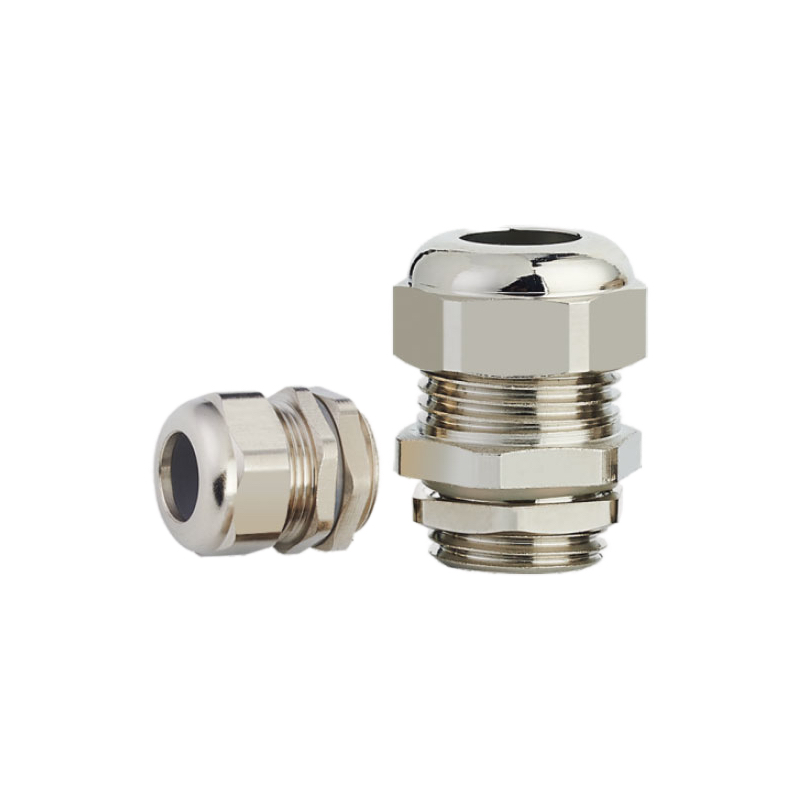
Introduction
“Samuel, we just had three cable glands fail in our furnace control room—melted seals, exposed conductors, everything. What went wrong?” That panicked call came from Marcus, an electrical engineer at a steel mill in Pittsburgh. After reviewing his specifications, the problem was obvious: he’d installed standard nylon cable glands rated for 100°C in an environment that regularly exceeded 150°C.
Selecting cable glands for high-temperature environments requires matching material temperature ratings to actual operating conditions, choosing appropriate seal materials that maintain integrity under thermal stress, verifying thread specifications for thermal expansion compatibility, and ensuring certifications meet safety standards—with brass, stainless steel, and specialized high-temperature polymers being essential materials for applications ranging from 120°C to 300°C+. The wrong selection doesn’t just cause component failure; it creates serious safety hazards and costly downtime.
In my decade working with cable management solutions, I’ve helped hundreds of customers navigate high-temperature applications—from petrochemical plants to automotive manufacturing. The difference between proper and improper cable gland selection in these environments can mean the difference between years of reliable operation and catastrophic equipment failure. Let me show you exactly how to select the right cable glands for your high-temperature application. 😊
Table of Contents
- What Defines a High-Temperature Environment for Cable Glands?
- What Materials Are Suitable for High-Temperature Cable Glands?
- How Do You Match Cable Gland Specifications to Temperature Requirements?
- What Are the Critical Selection Factors Beyond Temperature Rating?
- What Are Common Mistakes in High-Temperature Cable Gland Selection?
- FAQs About Cable Glands for High-Temperature Environments
What Defines a High-Temperature Environment for Cable Glands?
Understanding what constitutes a “high-temperature environment” is the critical first step in proper cable gland selection, as this definition varies significantly across industries and applications.
A high-temperature environment for cable glands is any application where ambient or surface temperatures exceed 100°C (212°F)—the upper limit for standard nylon cable glands—requiring specialized materials and sealing systems, with temperature classifications ranging from moderate high-temperature (100-150°C) to extreme high-temperature (200-300°C+) based on continuous operating conditions rather than brief temperature spikes. Accurate temperature assessment prevents both over-specification and dangerous under-specification.

Temperature Classification Categories
Moderate High-Temperature (100-150°C / 212-302°F):
- Industrial ovens and dryers
- Engine compartments and exhaust areas
- Steam pipe routing zones
- Commercial kitchen equipment
- Standard industrial heat processing
High-Temperature (150-200°C / 302-392°F):
- Furnace control systems
- Petrochemical processing units
- Automotive manufacturing paint booths
- Glass manufacturing facilities
- Metal heat treatment areas
Extreme High-Temperature (200-300°C+ / 392-572°F+):
- Steel mill operations
- Aluminum smelting facilities
- Ceramic kiln installations
- Aerospace engine testing
- Power generation turbine areas
Continuous vs. Peak Temperature Considerations
A critical distinction that many engineers overlook is the difference between continuous operating temperature and peak temperature exposure:
Continuous Operating Temperature:
- The sustained ambient temperature during normal operation
- Primary specification for cable gland material selection
- Determines seal material and body construction requirements
- Must include safety margin (typically 20-30°C above measured temperature)
Peak Temperature:
- Brief temperature spikes during specific processes
- Important for material degradation assessment
- Should not exceed material’s absolute maximum rating
- Frequency and duration affect long-term reliability
I learned this distinction the hard way when working with Ahmed, a project manager at a refinery in Abu Dhabi. His team measured ambient temperatures averaging 130°C but experienced 15-minute spikes to 180°C during certain process cycles. The brass cable glands with standard nitrile seals I initially recommended failed within months. After switching to stainless steel cable glands with PTFE seals rated for continuous 200°C operation, they’ve had zero failures over four years—even during those temperature spikes.
Environmental Factors That Compound Temperature Stress
High temperature rarely exists in isolation. These additional factors significantly impact cable gland performance:
Chemical Exposure:
- Oils and solvents degrade seals faster at elevated temperatures
- Acidic or alkaline environments accelerate material breakdown
- Combined chemical and thermal stress requires specialized materials
Vibration and Mechanical Stress:
- Thermal cycling causes expansion/contraction
- Vibration accelerates seal fatigue in high-heat conditions
- Thread loosening more common with temperature fluctuations
Moisture and Humidity:
- Steam environments combine heat and moisture challenges
- Condensation during cooling cycles creates additional stress
- IP rating requirements increase in wet high-temperature areas
What Materials Are Suitable for High-Temperature Cable Glands?
Material selection is the most critical decision when specifying cable glands for high-temperature environments, as each material offers distinct temperature capabilities, mechanical properties, and cost considerations.
Suitable materials for high-temperature cable glands include brass (continuous 120-150°C), stainless steel 304/316 (continuous 200-250°C), nickel-plated brass (continuous 150-180°C), and specialized high-temperature polymers like PEEK and PPS (continuous 200-260°C), with seal material selection being equally critical—requiring silicone, EPDM, Viton, or PTFE depending on temperature range and chemical exposure. Material compatibility with both temperature and environment ensures long-term reliability.
Cable Gland Body Materials
Brass Cable Glands:
Temperature Range: -40°C to 120-150°C continuous operation
Advantages:
- Excellent electrical conductivity and EMI shielding1
- Cost-effective for moderate temperature applications
- Good mechanical strength and machinability
- Wide availability in standard sizes
Limitations:
- Limited to lower high-temperature range
- Requires nickel plating for corrosion resistance
- Thermal expansion2 can affect seal integrity above 120°C
Best Applications:
- Engine compartments (automotive, marine)
- Industrial machinery near heat sources
- Moderate-temperature process equipment
- Indoor installations with controlled environments
Stainless Steel Cable Glands (304/316):
Temperature Range: -60°C to 200-250°C continuous operation (316 grade superior)
Advantages:
- Exceptional corrosion resistance in harsh environments
- Maintains mechanical strength at elevated temperatures
- Suitable for food-grade and pharmaceutical applications
- Excellent durability in outdoor/marine environments
- Lower thermal expansion coefficient than brass
Limitations:
- Higher cost than brass alternatives
- Requires specialized tools for installation (harder material)
- Limited EMI shielding compared to brass
Best Applications:
- Petrochemical and refinery installations
- Food processing high-temperature zones
- Marine engine rooms and exhaust areas
- Chemical processing facilities
- Outdoor high-temperature applications
At Bepto, our stainless steel 316 cable glands are manufactured from premium-grade material with full material traceability, certified for continuous 250°C operation and tested to IP68 standards even at maximum temperature.
Nickel-Plated Brass:
Temperature Range: -40°C to 150-180°C continuous operation
Advantages:
- Enhanced corrosion resistance vs. standard brass
- Better high-temperature performance than unplated brass
- Maintains good electrical conductivity
- Moderate cost increase over standard brass
Best Applications:
- Automotive under-hood applications
- Industrial ovens and dryers
- Steam equipment connections
- Moderate corrosive environments with heat
High-Temperature Polymers (PEEK, PPS, Modified Nylon):
Temperature Range: -40°C to 200-260°C continuous (material dependent)
Advantages:
- Lightweight compared to metal alternatives
- Excellent chemical resistance
- Electrical insulation properties
- No corrosion concerns
Limitations:
- Higher material cost than standard polymers
- Limited mechanical strength vs. metal
- UV degradation in outdoor applications (some formulations)
- Limited size availability
Best Applications:
- Aerospace and aviation
- Electronics in high-temperature environments
- Chemical processing where metal contamination is concern
- Weight-critical applications
Seal Material Selection
The seal material often determines actual temperature performance more than the cable gland body material:
| Seal Material | Temperature Range | Chemical Resistance | Cost | Best Applications |
|---|---|---|---|---|
| Nitrile (NBR) | -40°C to 100°C | Fair (oils good) | Low | Standard applications only |
| EPDM | -50°C to 150°C | Excellent (acids/alkalis) | Moderate | Steam, outdoor weather |
| Silicone | -60°C to 200°C | Good (general) | Moderate | Wide temperature range |
| Viton (FKM)3 | -20°C to 200°C | Excellent (chemicals/oils) | High | Chemical processing |
| PTFE | -200°C to 260°C | Excellent (universal) | High | Extreme temperature/chemical |
Marcus’s steel mill in Pittsburgh now uses our stainless steel 316 cable glands with PTFE seals throughout their furnace control areas—they’re rated for continuous 250°C operation and have performed flawlessly for over three years in conditions that destroyed his original nylon cable glands within weeks.
How Do You Match Cable Gland Specifications to Temperature Requirements?
Proper specification matching requires systematic evaluation of actual operating conditions and careful selection of compatible components that work together as a complete system.
Matching cable gland specifications to temperature requirements involves accurately measuring actual operating temperatures with appropriate safety margins (20-30°C minimum), selecting body and seal materials rated above maximum expected temperatures, verifying thread specifications accommodate thermal expansion, confirming IP ratings maintain integrity at operating temperature, and ensuring all certifications (UL, ATEX, IECEx) include high-temperature validation. Systematic specification prevents both component failure and over-specification waste.
Step 1: Accurate Temperature Measurement
Measurement Methods:
- Infrared thermometer for surface temperature readings
- Thermocouple sensors for ambient temperature monitoring
- Data logging over 24-hour cycles to capture peak temperatures
- Seasonal variation consideration (summer vs. winter conditions)
Critical Measurement Points:
- Cable gland mounting surface temperature (not just ambient air)
- Cable jacket temperature at entry point
- Enclosure internal temperature (heat buildup from equipment)
- Proximity to heat sources (pipes, exhausts, process equipment)
Safety Margin Calculation:
- Measure maximum observed temperature
- Add 20-30°C safety margin for specification
- Consider future process changes that might increase temperature
- Account for equipment aging and reduced cooling efficiency
Example Calculation:
- Measured maximum temperature: 135°C
- Safety margin: +25°C
- Specification temperature: 160°C minimum
- Selected cable gland rating: 200°C (provides additional margin)
Step 2: Complete System Compatibility
High-temperature cable gland selection requires ensuring all components work together:
Cable Compatibility:
- Verify cable jacket temperature rating matches or exceeds environment
- Common high-temperature cable types:
– Silicone insulated: -60°C to 180°C
– PTFE insulated: -200°C to 260°C
– Mineral insulated (MI): up to 1000°C
– Glass fiber insulated: up to 550°C
Enclosure Compatibility:
- Verify enclosure material temperature rating
- Check gasket/seal materials on enclosure doors
- Confirm internal components rated for temperature
- Assess heat dissipation capabilities
Thread Sealant Compatibility:
- Standard PTFE tape: up to 260°C
- High-temperature thread sealant paste: up to 315°C
- Nickel-based anti-seize: up to 1400°C (extreme applications)
- Avoid standard thread sealants rated only to 150°C
Step 3: Certification Verification
Temperature-Specific Certifications:
UL Listing:
- Verify UL file number includes temperature rating
- Check for “T-rating” in hazardous location certifications
- Confirm listing covers your specific application environment
ATEX/IECEx (Hazardous Locations)4:
- Temperature class must match area classification:
– T6: 85°C maximum surface temperature
– T5: 100°C maximum surface temperature
– T4: 135°C maximum surface temperature
– T3: 200°C maximum surface temperature
– T2: 300°C maximum surface temperature
– T1: 450°C maximum surface temperature
IP Rating at Temperature:
- Standard IP68 testing typically performed at 20-25°C
- Request IP rating certification at operating temperature
- Verify seal performance doesn’t degrade with heat
- Check for thermal cycling test data
I worked with Yuki, a facility engineer at an automotive plant in Yokohama, who needed cable glands for their paint booth curing ovens operating at 180°C. We specified stainless steel 316 cable glands with Viton seals, but equally important was ensuring their cables were silicone-jacketed and rated to 200°C, and their junction boxes used high-temperature gaskets. The complete system approach has given them five years of trouble-free operation.
What Are the Critical Selection Factors Beyond Temperature Rating?
While temperature rating is the primary specification for high-temperature cable glands, several additional factors significantly impact performance, reliability, and long-term cost-effectiveness.
Critical selection factors beyond temperature rating include thread type and size compatibility with existing infrastructure, IP rating maintenance under thermal cycling conditions, strain relief performance with thermally-stressed cables, ease of installation and maintenance in high-temperature areas, and total cost of ownership including replacement frequency and downtime costs. Comprehensive evaluation prevents specification oversights that cause field problems.
Thread Specification and Thermal Expansion
Thermal Expansion Considerations:
- Different materials expand at different rates with temperature
- Brass expansion: ~19 × 10⁻⁶ /°C
- Stainless steel expansion: ~17 × 10⁻⁶ /°C
- Aluminum enclosure expansion: ~23 × 10⁻⁶ /°C
Thread Type Selection:
- NPT (Tapered): Self-sealing through thread deformation, accommodates some expansion
- Metric (Parallel): Relies on gasket seal, requires proper torque maintenance
- PG (Parallel): Common in European applications, similar to metric considerations
Installation Considerations:
- Install at ambient temperature when possible
- Verify torque specifications account for thermal expansion
- Use appropriate thread sealant rated for temperature
- Plan for periodic retorquing in extreme temperature cycling applications
Strain Relief in High-Temperature Applications
Cable strain relief becomes more critical in high-temperature environments due to:
Material Softening:
- Cable jackets become more pliable at elevated temperatures
- Increased risk of cable pull-through under tension
- Seal compression may decrease as materials soften
Thermal Cycling Stress:
- Expansion and contraction create mechanical stress
- Repeated cycling accelerates material fatigue
- Connection points experience increased force
Enhanced Strain Relief Features:
- Longer grip length for better cable retention
- Multiple compression points
- Mechanical cable clamps in addition to compression seals
- Armored cable glands for heavy cables in high-temperature areas
Installation and Maintenance Accessibility
High-temperature environments create unique installation challenges:
Installation Timing:
- Install during shutdown periods when equipment is cool
- Plan for thermal expansion during heat-up
- Allow adequate cooling time for maintenance access
Tool Requirements:
- Heat-resistant gloves and protective equipment
- Long-handled tools for distance from heat sources
- Torque wrenches with temperature-compensated readings
Maintenance Access:
- Design installations accessible during operation
- Provide adequate clearance for future replacement
- Document installation torque values for maintenance reference
- Create inspection schedules based on thermal cycling frequency
Total Cost of Ownership Analysis
Initial component cost represents only a fraction of total ownership cost in high-temperature applications:
| Cost Factor | Standard Cable Gland | High-Temp Cable Gland | Impact |
|---|---|---|---|
| Initial Cost | $5-15 | $25-80 | 3-5× higher upfront |
| Expected Life | 6-18 months | 5-10 years | 4-7× longer service |
| Replacement Labor | $200-500/instance | $200-500/instance | Same per replacement |
| Downtime Cost | $1000-5000/hour | $1000-5000/hour | Fewer incidents |
| Safety Risk | Higher failure rate | Lower failure rate | Reduced liability |
| 5-Year Total | $2000-8000 | $500-1500 | 60-80% savings |
This analysis clearly shows that proper high-temperature cable gland specification, despite higher initial cost, delivers substantial long-term savings through reduced replacement frequency and downtime.
What Are Common Mistakes in High-Temperature Cable Gland Selection?
Understanding common specification and installation errors helps prevent costly failures and safety hazards in high-temperature applications.
Common mistakes in high-temperature cable gland selection include underestimating actual operating temperatures by measuring only ambient air rather than surface temperatures, selecting body material without verifying seal material compatibility, ignoring thermal cycling effects on seal compression and thread tension, failing to account for combined environmental stresses (heat plus chemicals or vibration), and not validating complete system temperature ratings including cables and enclosures. Learning from these errors prevents repeating them in your applications.
Mistake 1: Inadequate Temperature Assessment
The Error:
- Measuring air temperature instead of surface temperature
- Using nameplate ratings instead of actual measurements
- Ignoring temperature spikes during specific processes
- Not accounting for solar heating in outdoor applications
The Consequence:
- Cable glands fail prematurely due to thermal stress
- Seals melt or degrade, compromising IP rating
- Safety hazards from exposed conductors
- Costly emergency replacements and downtime
The Solution:
- Use infrared thermometer on actual mounting surfaces
- Data log temperatures over complete process cycles
- Add 20-30°C safety margin to maximum observed temperature
- Consider seasonal variations and worst-case scenarios
Mistake 2: Mismatched Seal Materials
The Error:
- Specifying high-temperature body material with standard seals
- Assuming all seals in a product line have same temperature rating
- Not verifying seal material in manufacturer documentation
- Using generic “high-temperature” specifications without material details
The Consequence:
Marcus’s steel mill experienced this exact problem—brass cable glands with nitrile seals rated for “high temperature” failed at 150°C because the nitrile seals were only rated to 100°C, even though the brass body could handle 150°C.
The Solution:
- Verify seal material specification separately from body material
- Request material certificates from manufacturer
- Cross-reference seal material temperature ratings
- Specify both body and seal materials in procurement documents
Mistake 3: Ignoring Thermal Cycling Effects
The Error:
- Selecting based only on maximum temperature
- Not considering expansion/contraction cycles
- Ignoring thread loosening from thermal cycling
- Failing to plan for retorquing requirements
The Consequence:
- Threads loosen over time, compromising seal
- Seal compression decreases with cycling
- IP rating degrades without visible failure
- Water ingress during cooling cycles
The Solution:
- Specify cable glands designed for thermal cycling
- Implement periodic inspection and retorquing schedule
- Use thread locking compounds rated for temperature
- Consider spring-loaded designs that maintain compression
Mistake 4: Incomplete System Specification
The Error:
- Specifying only cable gland without verifying cable compatibility
- Not checking enclosure temperature rating
- Ignoring thread sealant temperature limits
- Failing to verify internal component ratings
The Consequence:
- Cable jacket melts even though cable gland survives
- Enclosure gaskets fail, negating cable gland IP rating
- Thread sealant degrades, causing leaks
- Internal connections fail from heat transfer
The Solution:
- Create complete bill of materials with temperature ratings
- Verify every component in the connection system
- Specify high-temperature cables with appropriate insulation
- Use compatible thread sealants and gaskets throughout
Mistake 5: Over-Specification and Cost Waste
The Error:
- Specifying extreme high-temperature materials for moderate applications
- Using stainless steel where nickel-plated brass would suffice
- Selecting PTFE seals when silicone would perform adequately
- Not conducting proper cost-benefit analysis
The Consequence:
- Unnecessary cost increase (2-3× higher than needed)
- Budget constraints force compromises elsewhere
- Longer lead times for specialty materials
- Reduced competitiveness in project bidding
The Solution:
- Match specifications precisely to actual requirements
- Use tiered approach: standard, moderate, high, extreme temperature
- Consider total cost of ownership, not just component cost
- Consult with experienced suppliers for application-specific recommendations
At Bepto, we help customers avoid these mistakes through detailed application questionnaires and engineering support. We’ve developed a temperature application guide that walks through the selection process systematically, ensuring proper specification without over-engineering. 😊
Conclusion
Selecting cable glands for high-temperature environments requires systematic evaluation of actual operating conditions, careful material selection for both body and seal components, proper specification matching with adequate safety margins, and comprehensive system compatibility verification. Temperature classifications range from moderate (100-150°C) requiring brass or nickel-plated brass with EPDM or silicone seals, to extreme (200-300°C+) demanding stainless steel 316 with PTFE seals. Critical selection factors extend beyond temperature rating to include thread compatibility, thermal expansion accommodation, strain relief performance, and total cost of ownership analysis. Common mistakes—inadequate temperature assessment, mismatched seal materials, ignoring thermal cycling, incomplete system specification, and over-specification—can be avoided through proper measurement, documentation review, and expert consultation. At Bepto, we manufacture high-temperature cable glands in brass, stainless steel 304/316, and specialized materials, with seal options from EPDM to PTFE, all certified to ISO9001, IATF16949, and IP68 standards with full temperature validation documentation. Whether you’re protecting cables in a steel mill furnace area or routing connections in a petrochemical processing unit, proper high-temperature cable gland selection ensures safety, reliability, and long-term cost-effectiveness in your most demanding applications.
FAQs About Cable Glands for High-Temperature Environments
Q: What temperature rating should I choose for cable glands in a 120°C environment?
A: Select cable glands rated for at least 145-150°C continuous operation to provide a 20-30°C safety margin above your measured 120°C environment. This margin accounts for temperature measurement variations, localized hot spots, and future process changes that might increase temperatures.
Q: Can I use brass cable glands in high-temperature applications?
A: Yes, brass cable glands work well for moderate high-temperature applications up to 120-150°C continuous operation, especially when nickel-plated for corrosion resistance. For temperatures above 150°C, switch to stainless steel 316 cable glands which handle continuous operation to 250°C with appropriate seal materials.
Q: What’s the difference between body temperature rating and seal temperature rating?
A: The body temperature rating indicates the maximum temperature the metal or polymer housing can withstand, while seal temperature rating specifies the elastomeric seal’s limit. The cable gland’s actual performance is limited by whichever rating is lower—a brass body rated to 150°C with nitrile seals rated to 100°C can only operate reliably to 100°C.
Q: How often should I inspect cable glands in high-temperature areas?
A: Inspect cable glands in high-temperature environments quarterly during the first year, then semi-annually once performance is established. Check for seal degradation, thread loosening from thermal cycling, cable jacket condition, and IP rating integrity through visual inspection and spray testing during scheduled maintenance shutdowns.
Q: Do high-temperature cable glands cost more than standard ones?
A: Yes, high-temperature cable glands typically cost 3-5× more initially due to specialized materials like stainless steel 316 and PTFE seals. However, they deliver 60-80% lower total cost of ownership over five years through 4-7× longer service life, reduced replacement frequency, and minimized downtime compared to standard cable glands failing repeatedly in high-temperature conditions.
-
Understand the principles of EMI shielding and how it prevents electrical noise. ↩
-
Learn the definition of thermal expansion and how it’s calculated for different materials. ↩
-
Review the technical specifications and chemical resistance of FKM (Viton) elastomers. ↩
-
Get a clear guide to the ATEX and IECEx standards for equipment in explosive atmospheres. ↩