Last month, I received an urgent call from Robert, a maintenance engineer at a petrochemical facility in Houston. His stainless steel cable glands had developed severe corrosion where they connected to aluminum junction boxes, causing multiple seal failures and potential safety hazards. “Samuel,” he said frantically, “we’re facing a complete system shutdown if we can’t solve this galvanic corrosion problem immediately!”
Galvanic corrosion occurs when dissimilar metals are electrically connected in the presence of an electrolyte1, causing accelerated deterioration of the more reactive metal. Prevention requires proper material selection, electrical isolation techniques, protective coatings, and environmental control measures to eliminate the electrochemical reaction.
This scenario is more common than most engineers realize. Galvanic corrosion silently destroys cable gland installations worldwide, leading to costly failures, safety incidents, and unplanned downtime. After helping hundreds of clients resolve galvanic corrosion issues over the past decade, I’ve developed proven strategies that protect your investments and ensure long-term reliability. 😉
Table of Contents
- What Causes Galvanic Corrosion in Cable Gland Systems?
- How Do You Select Compatible Metal Combinations?
- What Are the Most Effective Isolation Methods?
- Which Protective Coatings Work Best for Cable Glands?
- How Do Environmental Factors Affect Corrosion Prevention?
- FAQ
What Causes Galvanic Corrosion in Cable Gland Systems?
Understanding the root causes of galvanic corrosion is essential for developing effective prevention strategies in cable gland installations. Galvanic corrosion in cable gland systems occurs when three conditions exist simultaneously: dissimilar metals in direct contact, an electrical connection between them, and the presence of an electrolyte such as moisture, salt spray, or industrial chemicals.

The Electrochemical Process
The galvanic corrosion process follows predictable patterns:
- Anode formation: The more reactive metal becomes the anode and corrodes
- Cathode protection: The noble metal becomes the cathode and remains protected
- Electron flow: Current flows from anode to cathode through the metallic connection
- Ion movement: Electrolyte completes the circuit through ionic conduction
Common Problem Combinations
Based on our extensive field experience, these metal combinations cause the most severe galvanic corrosion:
| Anode (Corrodes) | Cathode (Protected) | Severity | Common Applications |
|---|---|---|---|
| Aluminum | Stainless Steel | Severe | Marine, offshore |
| Carbon Steel | Brass | High | Industrial panels |
| Zinc | Copper | Moderate | Grounding systems |
| Galvanized Steel | Bronze | High | Outdoor installations |
Real-World Impact
I learned this lesson working with Hassan, a facility manager at a desalination plant in Dubai. His aluminum cable glands were rapidly corroding when connected to stainless steel enclosures in the salt-laden environment. The combination of dissimilar metals, high chloride content, and elevated temperatures created perfect conditions for accelerated galvanic attack.
The consequences included:
- Complete gland failure within 18 months
- Compromised IP ratings2 and water ingress
- Electrical faults and system shutdowns
- Emergency replacement costs exceeding $50,000
How Do You Select Compatible Metal Combinations?
Proper material selection is the first line of defense against galvanic corrosion in cable gland systems. Compatible metal selection involves choosing materials with similar electrochemical potentials, typically within 0.15 volts in the galvanic series3, or using identical metals throughout the installation to eliminate potential differences entirely.
Galvanic Series Guidelines
The galvanic series ranks metals by their electrochemical potential in seawater:
Noble (Cathodic) Metals:
- Titanium
- 316 Stainless Steel
- 304 Stainless Steel
- Brass
- Bronze
Active (Anodic) Metals:
- Carbon Steel
- Aluminum
- Galvanized Steel
- Zinc
- Magnesium
Best Practice Material Combinations
Recommended Compatible Pairs:
- 316 SS cable glands with 316 SS enclosures
- Brass glands with bronze or brass fittings
- Aluminum glands with aluminum junction boxes
- Nylon glands with any metal (non-conductive)
Avoid These High-Risk Combinations:
- Aluminum glands with stainless steel enclosures
- Carbon steel glands with brass fittings
- Galvanized glands with copper components
At Bepto’s Approach
At Bepto, we manufacture cable glands in carefully selected material grades:
- 316L Stainless Steel: Marine and chemical applications
- Brass (CW617N): General industrial use
- Aluminum (6061-T6): Lightweight applications
- Nylon (PA66): Non-conductive isolation
Our material selection eliminates galvanic compatibility issues while meeting specific application requirements.
What Are the Most Effective Isolation Methods?
When dissimilar metals cannot be avoided, electrical isolation provides reliable galvanic corrosion prevention. The most effective isolation methods include dielectric gaskets, insulating sleeves, non-conductive coatings, and physical separation techniques that break the electrical connection while maintaining mechanical integrity and environmental sealing.
Dielectric Gasket Systems
Material Options:
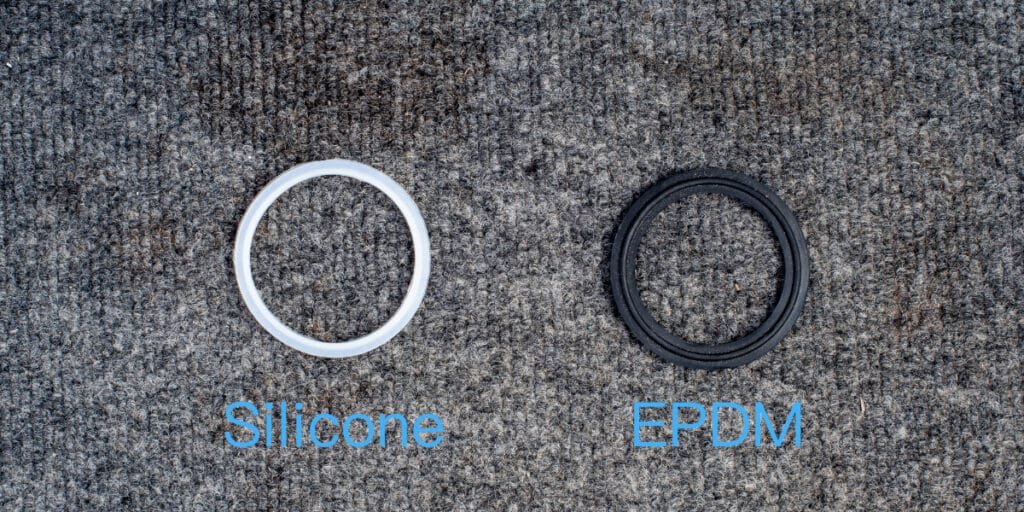
- EPDM rubber gaskets with high dielectric strength4
- PTFE washers for chemical resistance
- Neoprene seals for general applications
- Silicone gaskets for high-temperature service
Installation Requirements:
- Complete coverage of metal-to-metal contact surfaces
- Proper compression to maintain sealing integrity
- Compatible gasket materials for the service environment
- Regular inspection and replacement schedules
Insulating Sleeve Technology
Insulating sleeves provide comprehensive isolation:
- Thermoset plastic sleeves: High-temperature applications
- Ceramic insulators: Extreme environment service
- Composite materials: Lightweight, high-strength options
- Elastomeric boots: Flexible, vibration-resistant designs
Non-Conductive Thread Compounds
Specialized thread sealants prevent galvanic contact:
- Silicone-based compounds for general use
- PTFE tape with adhesive backing
- Anaerobic sealants with dielectric properties
- Epoxy compounds for permanent installations
Which Protective Coatings Work Best for Cable Glands?
Protective coatings create a barrier between dissimilar metals and the corrosive environment. The most effective protective coatings for cable glands include zinc-rich primers, epoxy barrier coatings, polyurethane topcoats, and specialized marine coatings that provide both corrosion resistance and environmental durability.
Coating System Selection
Multi-Layer Protection Systems:
Primer Layer:
– Zinc-rich epoxy for cathodic protection
– Chromate-free options for environmental compliance
– Excellent adhesion to substrate metalsIntermediate Coat:
– High-build epoxy for barrier protection
– Chemical resistance properties
– Uniform film thickness criticalTopcoat:
– Polyurethane for UV and weather resistance
– Color coding for identification
– Easy maintenance and touch-up
Application-Specific Coatings
Marine Environments:
- IMO-approved marine coatings
- High solids content for durability
- Biocide additives to prevent marine growth
Chemical Processing:
- Chemically resistant epoxy novolacs
- Fluoropolymer topcoats for extreme chemical exposure
- High-temperature service capability
Offshore Applications:
- Three-coat systems meeting NORSOK standards5
- Cathodic disbondment resistance
- Impact and abrasion resistance
Bepto’s Coating Solutions
Our cable glands feature advanced protective coatings:
- Standard: Electroplated nickel with chromate conversion
- Marine Grade: Multi-layer epoxy system with polyurethane topcoat
- Chemical Resistant: PTFE-based coating system
- Custom: Application-specific coating formulations
How Do Environmental Factors Affect Corrosion Prevention?
Environmental conditions significantly influence galvanic corrosion rates and prevention strategy effectiveness. Key environmental factors include humidity levels, temperature cycling, chemical exposure, salt contamination, and pH conditions, all of which must be considered when designing comprehensive corrosion prevention systems for cable gland installations.
Critical Environmental Parameters
Humidity Control:
- Relative humidity above 60% accelerates corrosion
- Condensation creates ideal electrolyte conditions
- Ventilation and drainage design critical
- Desiccant systems for enclosed spaces
Temperature Effects:
- Higher temperatures increase corrosion rates
- Thermal cycling causes coating stress
- Differential expansion creates new leak paths
- Insulation systems affect local temperatures
Chemical Environment Assessment
Chloride Contamination:
- Salt spray accelerates galvanic corrosion dramatically
- Road salt and de-icing chemicals create year-round exposure
- Industrial chloride sources require special attention
- Regular washing reduces chloride buildup
pH Considerations:
- Acidic conditions (pH < 7) increase corrosion rates
- Alkaline environments can cause different corrosion mechanisms
- Industrial emissions affect local pH conditions
- Neutralization systems may be required
Preventive Maintenance Programs
Inspection Schedules:
- Visual inspections every 6 months in harsh environments
- Annual detailed inspections with documentation
- Immediate inspection after severe weather events
- Trending analysis to predict failure modes
Maintenance Activities:
- Cleaning to remove contaminants
- Coating touch-up and repair
- Gasket and seal replacement
- Torque verification and adjustment
Conclusion
Preventing galvanic corrosion in cable gland systems requires a comprehensive approach combining proper material selection, effective isolation techniques, protective coatings, and environmental control. The key is understanding that galvanic corrosion is entirely preventable with the right knowledge and products. At Bepto, we’ve helped thousands of clients avoid costly corrosion failures through proper planning and quality materials. Don’t let galvanic corrosion compromise your electrical systems – invest in proven prevention strategies that protect your equipment, ensure safety, and minimize long-term maintenance costs.
FAQ
Q: Can I use aluminum cable glands with stainless steel enclosures?
A: This combination should be avoided as it creates severe galvanic corrosion risk. Use dielectric gaskets and insulating compounds if this combination is unavoidable, or better yet, select compatible materials like stainless steel glands with stainless steel enclosures.
Q: How often should I inspect cable glands for galvanic corrosion?
A: Inspect every 6 months in marine or industrial environments, annually in moderate conditions. Look for white corrosion products, pitting, or discoloration around dissimilar metal joints. Early detection prevents catastrophic failures.
Q: What’s the best way to stop galvanic corrosion that’s already started?
A: Remove corroded components immediately, clean all surfaces thoroughly, apply protective coatings, and install proper isolation materials. Prevention is always more cost-effective than remediation, but prompt action can stop further damage.
Q: Do nylon cable glands prevent galvanic corrosion?
A: Yes, nylon cable glands eliminate galvanic corrosion because they’re non-conductive. They break the electrical connection required for galvanic cells to form, making them ideal for applications with mixed metal systems.
Q: How much does galvanic corrosion prevention add to project costs?
A: Prevention typically adds 5-15% to initial costs but saves 300-500% compared to emergency replacements and downtime. Proper material selection and isolation techniques are minimal investments compared to failure consequences.
-
Learn the scientific definition of an electrolyte and its role in conducting an electric current. ↩
-
See the official chart from the IEC (International Electrotechnical Commission) explaining what each IP code means. ↩
-
View an authoritative galvanic series chart to see the electrochemical potential of different metals. ↩
-
Understand the engineering definition of dielectric strength and how it measures an insulator’s effectiveness. ↩
-
Access information on the NORSOK standards, a set of specifications for the offshore petroleum industry. ↩