Oversized holes in electrical enclosures create sealing nightmares that can compromise entire installations, leading to water ingress, contamination, and costly equipment failures. Standard cable glands simply can’t bridge large gaps, leaving engineers scrambling for solutions that often involve expensive modifications or complete panel replacements.
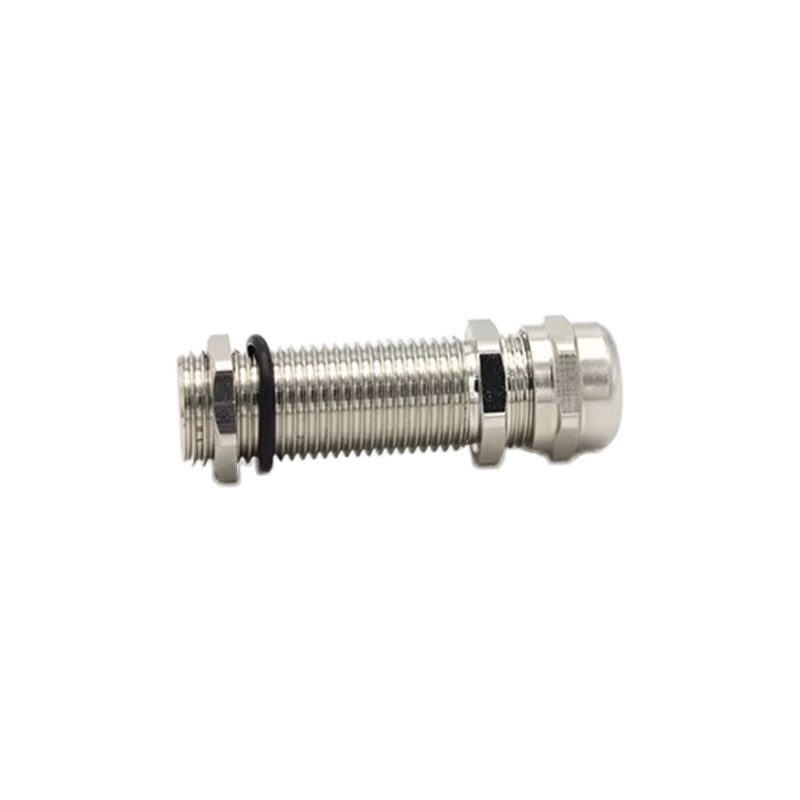
Telescopic cable glands are adjustable sealing solutions specifically designed to accommodate large clearance holes by extending their sealing diameter through innovative telescopic mechanisms, providing reliable IP-rated protection1 even when hole sizes exceed standard gland specifications by 5-15mm. These specialized glands eliminate the need for costly hole modifications while maintaining professional installation standards.
Last month, I received an urgent call from Robert, a maintenance supervisor at a chemical processing plant in Manchester. His team had accidentally drilled oversized holes during a weekend retrofit, creating 8mm gaps around their cable glands. With production scheduled to resume Monday morning, they needed an immediate solution that wouldn’t require welding or panel replacement in their hazardous area installation.
Table of Contents
- What Are Telescopic Cable Glands and How Do They Work?
- When Should You Choose Telescopic Glands Over Standard Solutions?
- How Do You Select the Right Telescopic Gland Size?
- What Are the Installation Best Practices for Large Clearance Applications?
- Which Industries Benefit Most from Telescopic Gland Technology?
- FAQs About Telescopic Cable Glands
What Are Telescopic Cable Glands and How Do They Work?
Telescopic cable glands represent an innovative solution to one of the most common installation challenges in electrical work. These specialized connectors address the gap between standard gland capabilities and real-world installation realities.
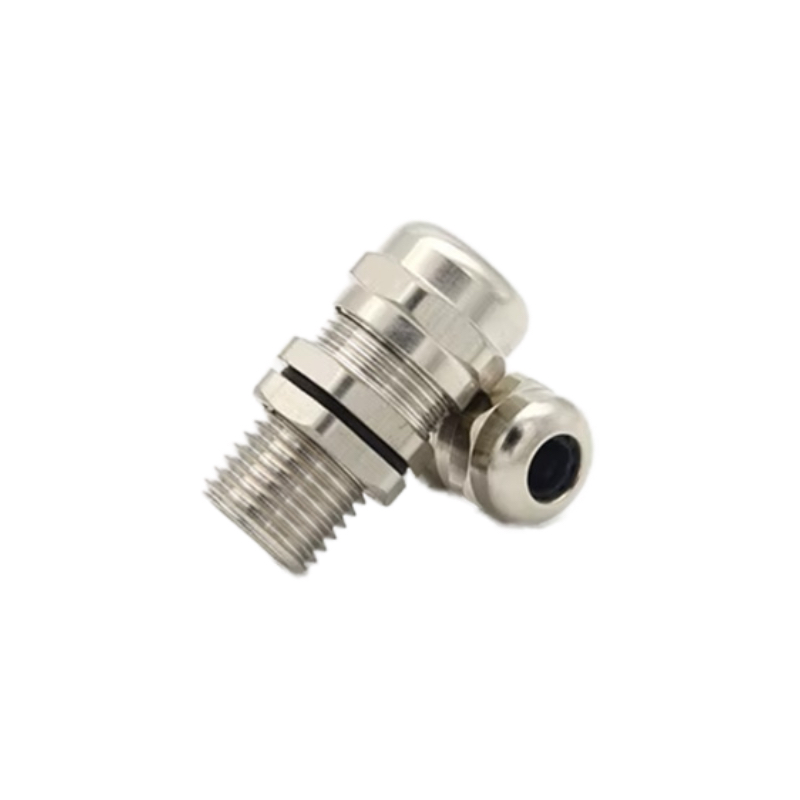
Telescopic cable glands feature adjustable outer diameters that extend through sliding or expanding mechanisms, allowing a single gland to seal holes ranging from standard size up to 15mm larger than conventional specifications. The telescopic design maintains full IP rating protection while accommodating significant size variations without compromising sealing integrity.
Core Design Principles
The telescopic mechanism typically operates through one of three primary designs:
Sliding Sleeve System:
- Outer sleeve slides over inner body
- Multiple O-ring seals maintain integrity
- Adjustment range typically 5-12mm
- Suitable for moderate clearance requirements
Expanding Ring Design:
- Flexible sealing ring expands under compression
- Uniform pressure distribution around hole perimeter
- Adjustment range up to 15mm
- Ideal for irregular or oversized holes
Multi-Stage Telescopic:
- Multiple extending sections for maximum range
- Professional-grade applications
- Adjustment range 8-20mm depending on size
- Premium solution for critical installations
Sealing Technology Integration
Modern telescopic glands incorporate advanced sealing technologies:
Primary Sealing Elements:
- EPDM2 or Viton O-rings for chemical resistance
- Multiple sealing points prevent single-point failure
- Temperature-rated compounds for extreme environments
- UV-resistant materials for outdoor applications
Secondary Protection Features:
- Strain relief3 maintains cable integrity
- Corrosion-resistant hardware extends service life
- EMC shielding options for sensitive applications
- Explosion-proof variants for hazardous areas
Robert’s Manchester installation required ATEX-certified4 telescopic glands due to the chemical processing environment. We supplied stainless steel units with Viton seals that accommodated his 8mm oversized holes while maintaining Zone 1 certification requirements.
Material Construction Options
Brass Telescopic Glands:
- Cost-effective for standard applications
- Excellent corrosion resistance
- Available in metric and NPT threads5
- Suitable for IP65/IP66 applications
Stainless Steel Variants:
- Superior chemical resistance
- High-temperature capability
- Marine and offshore applications
- Premium durability and appearance
Nickel-Plated Options:
- Enhanced corrosion protection
- Electromagnetic compatibility
- Professional appearance
- Balanced cost-performance ratio
When Should You Choose Telescopic Glands Over Standard Solutions?
Selecting telescopic glands requires understanding specific application scenarios where their unique capabilities provide clear advantages over conventional alternatives. Making the right choice prevents costly installation delays and ensures long-term reliability.
Choose telescopic glands when hole sizes exceed standard specifications by more than 2mm, when retrofitting existing installations with oversized openings, or when installation tolerances require flexibility without compromising sealing performance. These situations make telescopic technology the most cost-effective solution.
Retrofit and Modification Scenarios
Existing Installation Challenges:
Retrofitting electrical systems often reveals sizing mismatches that telescopic glands can resolve:
- Legacy equipment with non-standard hole patterns
- Damaged enclosures with enlarged openings
- Multi-generational installations with mixed standards
- Emergency repairs requiring immediate solutions
Cost-Benefit Analysis:
Compare telescopic glands against alternatives:
| Solution | Cost | Time | Reliability | Flexibility |
|---|---|---|---|---|
| Telescopic Glands | Medium | Low | High | Excellent |
| Hole Modification | High | High | Medium | Poor |
| Panel Replacement | Very High | Very High | High | Poor |
| Adapter Plates | Medium | Medium | Medium | Limited |
New Installation Advantages
Design Flexibility Benefits:
- Accommodates manufacturing tolerances
- Simplifies inventory management
- Reduces installation complexity
- Provides future modification capability
Quality Assurance Improvements:
- Eliminates hole sizing errors
- Reduces rework requirements
- Maintains consistent sealing performance
- Supports standardized installation procedures
Environmental Considerations
Harsh Environment Applications:
Telescopic glands excel in challenging conditions:
Marine Installations:
- Salt spray resistance
- Vibration tolerance
- Temperature cycling capability
- Long-term reliability in corrosive environments
Industrial Processing:
- Chemical compatibility
- High-temperature performance
- Pressure resistance
- Easy maintenance access
Outdoor Infrastructure:
- UV resistance
- Weather sealing
- Thermal expansion accommodation
- Wildlife protection features
Ahmed, a project manager for a solar farm in Saudi Arabia, faced extreme temperature variations causing thermal expansion issues with standard glands. Our telescopic solutions accommodated the 6mm hole size variations caused by daily temperature swings from 15°C to 55°C, eliminating recurring seal failures.
How Do You Select the Right Telescopic Gland Size?
Proper telescopic gland selection requires careful consideration of multiple technical parameters to ensure optimal performance and long-term reliability. Understanding these selection criteria prevents installation problems and maximizes system effectiveness.
Select telescopic glands based on maximum hole diameter, cable size range, thread specifications, environmental requirements, and adjustment mechanism type. This systematic approach ensures compatibility with your specific application needs while maintaining professional installation standards.
Measurement and Sizing Protocol
Step 1: Hole Diameter Assessment
- Measure actual hole diameter accurately
- Account for any irregularities or damage
- Consider thermal expansion effects
- Document variations across multiple holes
Step 2: Cable Specifications
- Determine cable outer diameter range
- Consider cable jacket materials
- Account for temperature effects on cable size
- Plan for future cable additions or changes
Step 3: Thread Requirements
- Identify enclosure thread specifications
- Verify thread pitch and engagement length
- Consider thread condition and quality
- Plan for proper torque application
Adjustment Range Calculations
Standard Sizing Formula:
Telescopic Range = Maximum Hole Diameter – Minimum Gland Diameter
Practical Selection Guidelines:
- Choose glands with 20% adjustment margin above measured requirements
- Account for installation tolerances
- Consider long-term thermal effects
- Plan for maintenance accessibility
Common Size Ranges:
| Gland Size | Standard Hole | Telescopic Range | Max Cable Dia |
|---|---|---|---|
| M12 | 12.5mm | 12.5-18mm | 8mm |
| M16 | 16.5mm | 16.5-22mm | 10mm |
| M20 | 20.5mm | 20.5-28mm | 13mm |
| M25 | 25.5mm | 25.5-35mm | 18mm |
| M32 | 32.5mm | 32.5-45mm | 24mm |
Environmental Rating Requirements
IP Rating Selection:
- IP65: Standard industrial applications
- IP66: High-pressure washdown environments
- IP67: Temporary immersion capability
- IP68: Continuous submersion applications
Temperature Considerations:
- Standard: -20°C to +80°C
- Extended: -40°C to +120°C
- High-temp: -40°C to +200°C
- Cryogenic: -60°C to +80°C
Chemical Compatibility:
- EPDM seals: General chemical resistance
- Viton seals: Aggressive chemical environments
- PTFE options: Extreme chemical compatibility
- Custom compounds: Specialized applications
Material Selection Criteria
Application-Based Material Choice:
Standard Industrial:
- Brass body with EPDM seals
- Nickel-plated finish
- Cost-effective performance
- Wide availability
Marine/Offshore:
- Stainless steel construction
- Viton sealing elements
- Superior corrosion resistance
- Long-term reliability
Chemical Processing:
- 316L stainless steel
- PTFE or Viton seals
- Aggressive media resistance
- Regulatory compliance
Hazardous Areas:
- ATEX/IECEx certified materials
- Explosion-proof construction
- Specialized sealing compounds
- Enhanced safety features
What Are the Installation Best Practices for Large Clearance Applications?
Proper installation of telescopic glands in large clearance applications requires specific techniques and attention to detail that differ from standard gland installation procedures. Following proven best practices ensures optimal performance and long-term reliability.
Successful telescopic gland installation requires proper hole preparation, correct adjustment sequence, appropriate torque application, and systematic sealing verification. These critical steps prevent common installation errors that can compromise system integrity and performance.
Pre-Installation Preparation
Hole Condition Assessment:
Before beginning installation, thoroughly evaluate the hole condition:
- Remove all burrs, sharp edges, and debris
- Check for cracks or damage around the opening
- Verify hole roundness and surface finish
- Clean surfaces with appropriate solvents
Component Inspection:
Verify all telescopic gland components:
- Check O-ring condition and proper seating
- Confirm thread integrity and cleanliness
- Test telescopic mechanism operation
- Verify all hardware is present and undamaged
Tool Preparation:
Gather necessary installation tools:
- Calibrated torque wrench
- Thread cutting compound or sealant
- Appropriate wrenches for gland size
- Measuring tools for verification
Installation Sequence Protocol
Step 1: Initial Positioning
- Insert gland in minimum telescopic position
- Hand-thread into enclosure opening
- Verify proper thread engagement
- Check for cross-threading or binding
Step 2: Telescopic Adjustment
- Gradually extend telescopic mechanism
- Monitor sealing ring contact with hole wall
- Ensure uniform pressure distribution
- Stop when proper contact is achieved
Step 3: Final Tightening
- Apply specified torque in stages
- Monitor telescopic extension during tightening
- Verify sealing integrity at each stage
- Document final settings for future reference
Torque Specifications and Techniques
Material-Specific Torque Values:
| Gland Size | Brass/Nickel | Stainless Steel | Plastic Enclosure |
|---|---|---|---|
| M12 | 8-12 Nm | 10-15 Nm | 6-8 Nm |
| M16 | 12-18 Nm | 15-22 Nm | 8-12 Nm |
| M20 | 18-25 Nm | 22-30 Nm | 12-18 Nm |
| M25 | 25-35 Nm | 30-40 Nm | 18-25 Nm |
| M32 | 35-50 Nm | 40-55 Nm | 25-35 Nm |
Torque Application Technique:
- Apply torque in 25% increments
- Allow sealing elements to settle between stages
- Monitor telescopic extension throughout process
- Verify final sealing performance
Quality Verification Procedures
Sealing Integrity Testing:
- Visual inspection of seal contact
- Pressure testing where applicable
- Water spray testing for IP ratings
- Documentation of test results
Mechanical Verification:
- Check gland stability and alignment
- Verify cable strain relief function
- Test telescopic mechanism operation
- Confirm proper thread engagement
Robert’s Manchester team initially struggled with the installation sequence until we provided hands-on training. The key breakthrough came when they learned to adjust the telescopic mechanism gradually while monitoring seal contact, rather than extending fully before tightening.
Which Industries Benefit Most from Telescopic Gland Technology?
Telescopic cable glands provide significant advantages across multiple industries where installation flexibility, retrofit capabilities, and reliable sealing are critical requirements. Understanding industry-specific applications helps identify optimal use cases for this technology.
Industries with frequent retrofits, harsh environmental conditions, or non-standard installation requirements benefit most from telescopic gland technology, including chemical processing, marine, renewable energy, food processing, and infrastructure sectors. These applications leverage the unique advantages of adjustable sealing solutions.
Chemical and Petrochemical Processing
Application Requirements:
The chemical industry demands exceptional reliability and safety in electrical installations:
- Aggressive chemical exposure resistance
- Explosion-proof certifications required
- Frequent equipment modifications and upgrades
- Zero tolerance for seal failures
Telescopic Gland Advantages:
- ATEX/IECEx certified variants available
- Superior chemical compatibility options
- Accommodation of thermal expansion
- Simplified retrofit procedures
Specific Use Cases:
- Reactor vessel instrumentation
- Pipeline monitoring systems
- Emergency shutdown equipment
- Process control installations
Hassan, operations manager at a refinery in Kuwait, needed to upgrade control systems while maintaining continuous production. Telescopic glands allowed his team to accommodate oversized holes from old installations while meeting stringent ATEX Zone 1 requirements, completing the project without production interruption.
Marine and Offshore Applications
Environmental Challenges:
Marine environments present unique sealing challenges:
- Constant salt spray exposure
- Extreme temperature variations
- High vibration and shock loads
- Limited maintenance access
Technology Benefits:
- Superior corrosion resistance materials
- Vibration-tolerant sealing design
- Extended maintenance intervals
- Simplified installation in confined spaces
Common Applications:
- Ship navigation systems
- Offshore platform instrumentation
- Port facility electrical systems
- Subsea equipment connections
Renewable Energy Infrastructure
Solar Installation Requirements:
Solar farms face specific challenges that telescopic glands address effectively:
- Large-scale installations with tolerance accumulation
- Extreme temperature cycling effects
- Long-term reliability requirements
- Cost-sensitive project economics
Wind Energy Applications:
- Turbine nacelle electrical connections
- Tower base equipment installations
- Substation retrofit projects
- Grid connection systems
Hydroelectric Facilities:
- Dam instrumentation systems
- Powerhouse electrical installations
- Water level monitoring equipment
- Emergency systems integration
Food and Beverage Processing
Sanitary Requirements:
Food processing demands specialized sealing solutions:
- FDA-approved materials required
- Washdown environment compatibility
- Easy cleaning and maintenance
- Contamination prevention critical
Telescopic Gland Benefits:
- Smooth surface finishes prevent bacteria buildup
- Chemical-resistant sealing materials
- Easy disassembly for cleaning
- Reduced crevices and contamination points
Typical Applications:
- Processing equipment controls
- Temperature monitoring systems
- Conveyor system electrical connections
- Quality control instrumentation
Infrastructure and Transportation
Railway Systems:
- Signal and communication equipment
- Power distribution systems
- Station facility installations
- Maintenance facility applications
Highway Infrastructure:
- Traffic control systems
- Lighting installations
- Communication networks
- Emergency call systems
Airport Facilities:
- Ground support equipment
- Lighting systems
- Communication installations
- Security system connections
Manufacturing and Automation
Industrial Automation:
- Robotic system connections
- Sensor network installations
- Control panel modifications
- Production line retrofits
Automotive Manufacturing:
- Assembly line equipment
- Paint booth installations
- Quality control systems
- Material handling equipment
The versatility of telescopic glands makes them valuable across these diverse industries, with our Bepto product line offering specialized variants optimized for each sector’s unique requirements. Our ISO9001 and IATF16949 certifications ensure consistent quality across all applications.
Conclusion
Telescopic cable glands represent a game-changing solution for large clearance hole applications, eliminating costly modifications while maintaining professional sealing standards. Whether you’re dealing with retrofit challenges, manufacturing tolerances, or environmental expansion effects, these innovative glands provide the flexibility and reliability your projects demand. From Robert’s emergency Manchester installation to Hassan’s Kuwait refinery upgrade, telescopic technology consistently delivers results when standard solutions fall short. Invest in quality telescopic glands from certified suppliers, follow proper installation procedures, and enjoy the peace of mind that comes with adaptable, professional-grade sealing solutions! 😉
FAQs About Telescopic Cable Glands
Q: What’s the maximum hole size a telescopic cable gland can seal?
A: Most telescopic cable glands can accommodate holes up to 15mm larger than their standard diameter, with some heavy-duty models extending up to 20mm beyond base size. The exact range depends on the gland design and manufacturer specifications.
Q: Can telescopic glands maintain the same IP rating as standard glands?
A: Yes, quality telescopic glands maintain full IP65, IP66, IP67, or IP68 ratings when properly installed. The telescopic mechanism includes multiple sealing points to ensure protection equivalent to or better than standard glands.
Q: Are telescopic cable glands more expensive than regular glands?
A: Telescopic glands typically cost 2-3 times more than standard glands, but they eliminate expensive hole modifications, panel replacements, or installation delays. The total project cost is often lower when factoring in avoided modifications.
Q: How do I know if my hole is too large for a standard gland?
A: If your hole diameter exceeds the gland’s thread diameter by more than 1-2mm, consider telescopic options. Measure the actual hole size and compare it to standard gland specifications to determine if telescopic technology is needed.
Q: Can telescopic glands be used in hazardous area applications?
A: Yes, ATEX and IECEx certified telescopic glands are available for Zone 1 and Zone 2 hazardous areas. These specialized units maintain explosion-proof integrity while providing telescopic adjustment capability for challenging installations.
-
Learn more about Ingress Protection (IP) ratings and what the numbers signify for electrical enclosures. ↩
-
Discover the technical specifications and chemical resistance profile of EPDM rubber. ↩
-
Understand the importance and function of strain relief for maintaining cable integrity and connection longevity. ↩
-
Find out what ATEX certification means and how it applies to equipment used in potentially explosive atmospheres. ↩
-
Explore the technical differences between National Pipe Taper (NPT) threads and standard metric threads. ↩