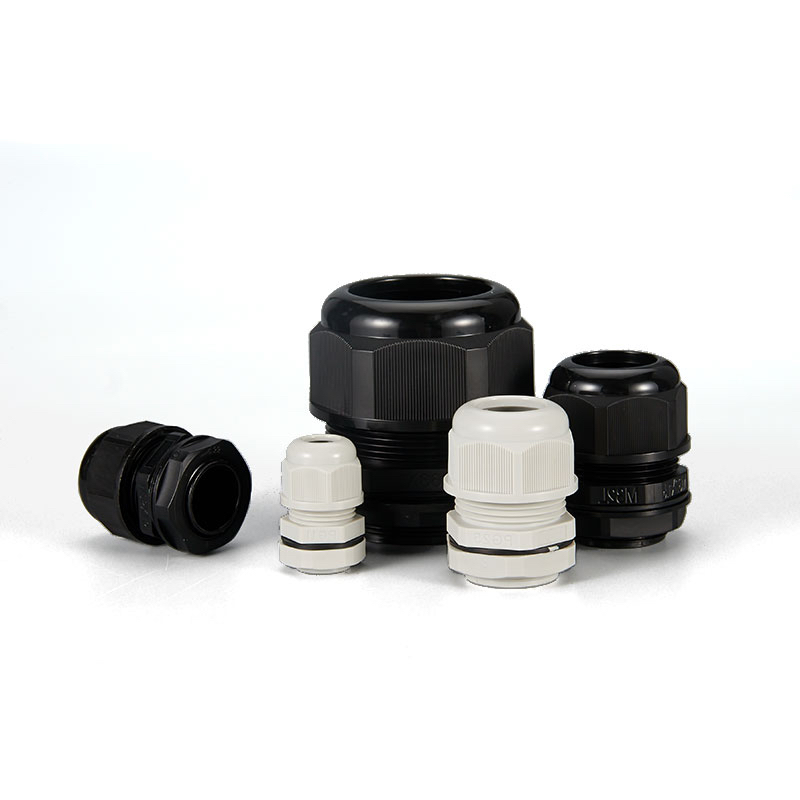
Fire safety incidents in enclosed spaces can turn deadly within minutes when toxic halogen gases1 are released from burning cable materials. Traditional PVC cable glands emit dangerous hydrogen chloride and other toxic fumes that cause more casualties than the fire itself. This silent killer has prompted strict regulations worldwide for fire-sensitive installations.
Low Smoke Zero Halogen (LSZH) cable glands are specialized cable entry devices made from halogen-free materials that produce minimal smoke and no toxic gases during fire exposure. These safety-critical components prevent the release of corrosive and poisonous fumes, making them essential for tunnels, hospitals, schools, mass transit systems, and other enclosed public spaces.
Just last month, I received an urgent call from Marcus, a project manager overseeing a new subway station in Berlin. His original PVC cable glands had been rejected by German fire safety inspectors who demanded LSZH-compliant solutions throughout the entire underground facility. “Samuel,” he said desperately, “we need 2,000 LSZH cable glands within three weeks, or our €50 million project faces indefinite delays!” This scenario highlights why understanding LSZH technology isn’t just about compliance—it’s about protecting lives and avoiding costly project setbacks. 😉
Table of Contents
- What Are LSZH Cable Glands and Why Do They Matter?
- How Do LSZH Materials Differ from Standard Cable Glands?
- Which Applications Require LSZH Cable Glands?
- What Are the Key Performance Standards for LSZH Glands?
- How Do You Select the Right LSZH Cable Gland?
- FAQs About LSZH Cable Glands
What Are LSZH Cable Glands and Why Do They Matter?
Understanding LSZH cable glands requires grasping both their material composition and life-safety purpose in fire scenarios. LSZH cable glands are cable entry devices manufactured from specially formulated thermoplastic compounds that contain no halogen elements (fluorine, chlorine, bromine, iodine, or astatine) and produce less than 0.5% hydrogen chloride gas and minimal visible smoke when exposed to fire conditions.

The Life Safety Imperative
Fire statistics reveal a sobering truth: in building fires, smoke inhalation causes 75% of fatalities2, not burns. Traditional PVC materials release:
- Hydrogen chloride (HCl): Highly corrosive gas that damages lungs and electronics
- Carbon monoxide: Deadly poisonous gas causing rapid unconsciousness
- Dense black smoke: Reduces visibility to zero, preventing evacuation
- Dioxins: Carcinogenic compounds with long-term health effects
LSZH Material Advantages
LSZH compounds offer critical safety improvements:
- Halogen-free formulation: Eliminates toxic gas generation
- Flame retardant additives: Self-extinguishing properties
- Low smoke density: Maintains visibility during evacuation
- Reduced corrosivity: Protects sensitive electronic equipment
Real-World Impact
I learned the importance of LSZH materials working with Sarah, a hospital administrator in Manchester. Her facility’s old PVC cable glands had failed fire safety inspections due to toxic gas concerns in patient care areas. “We can’t risk our patients’ lives with materials that could poison them during an emergency,” she explained. After upgrading to our LSZH cable glands, the hospital passed all fire safety certifications and gained peace of mind knowing their electrical infrastructure wouldn’t contribute to evacuation hazards.
How Do LSZH Materials Differ from Standard Cable Glands?
The fundamental differences between LSZH and standard cable gland materials affect both safety performance and installation characteristics. LSZH cable glands use thermoplastic elastomer (TPE) or modified polyolefin compounds instead of PVC, incorporating mineral flame retardants like aluminum trihydrate rather than halogenated flame retardants3, resulting in different mechanical properties, temperature ratings, and chemical resistance profiles.
Material Composition Comparison
| Property | Standard PVC | LSZH TPE | LSZH Polyolefin |
|---|---|---|---|
| Halogen Content | 30-40% Chlorine | 0% | 0% |
| Flame Retardant | Antimony Trioxide | Aluminum Trihydrate | Magnesium Hydroxide |
| Smoke Generation | High (>90%) | Low (<10%) | Low (<15%) |
| HCl Gas Release | >15% | <0.5% | <0.5% |
| Temperature Range | -10°C to +70°C | -40°C to +90°C | -20°C to +105°C |
Performance Characteristics
Mechanical Properties:
- Flexibility: LSZH materials typically less flexible than PVC
- UV resistance: Superior outdoor weathering performance
- Chemical resistance: Excellent resistance to oils and solvents
- Aging stability: Better long-term performance in harsh environments
Installation Considerations:
- Torque requirements: May require different tightening specifications
- Sealing performance: Maintains IP ratings equivalent to PVC versions
- Thread compatibility: Standard metric and NPT threading available
- Color coding: Available in safety orange for easy identification
Cost-Benefit Analysis
While LSZH cable glands typically cost 15-25% more than standard PVC versions, the benefits include:
- Regulatory compliance: Meets increasingly strict fire safety codes
- Insurance advantages: Reduced premiums for fire-safe installations
- Equipment protection: Prevents corrosive gas damage to electronics
- Liability reduction: Minimizes toxic exposure risks
Which Applications Require LSZH Cable Glands?
LSZH cable glands are mandatory or strongly recommended in applications where fire safety, human occupancy, and equipment protection are critical concerns. Primary applications include mass transit systems, hospitals, schools, high-rise buildings, data centers, offshore platforms, ships, aircraft, and underground facilities where smoke and toxic gas evacuation is limited and human safety is paramount.
Mandatory LSZH Applications
Transportation Infrastructure:
- Subway and metro systems
- Railway tunnels and stations
- Airport terminals and control towers
- Ship engine rooms and passenger areas
- Aircraft electrical systems
Public Buildings:
- Hospitals and healthcare facilities
- Schools and universities
- Shopping centers and malls
- Hotels and residential high-rises
- Government and municipal buildings
Industrial Facilities:
- Offshore oil and gas platforms
- Chemical processing plants
- Data centers and server rooms
- Telecommunications facilities
- Power generation stations
Regional Regulatory Requirements
European Standards:
- EN 50267: Smoke density requirements
- EN 60754: Halogen content testing
- CPR (Construction Products Regulation)4: Mandatory for many applications
International Standards:
- IEC 607545: Halogen gas evolution testing
- IEC 61034: Smoke density measurement
- ASTM E662: Smoke generation testing
National Codes:
- UK: BS 6724 for underground railways
- Germany: DIN VDE 0472 for public buildings
- Japan: JIS C 3005 for mass transit
- Australia: AS/NZS 3013 for public safety
Application-Specific Considerations
Mass Transit Systems:
- Must meet flame spread ratings
- Require low toxicity certification
- Need vibration resistance
- Demand long service life (25+ years)
Healthcare Facilities:
- Patient safety is paramount
- Emergency power systems critical
- Infection control considerations
- 24/7 operational requirements
What Are the Key Performance Standards for LSZH Glands?
LSZH cable glands must meet rigorous international standards that verify their fire safety performance, material composition, and mechanical reliability. Key performance standards include IEC 60754 for halogen content (≤0.5% HCl), IEC 61034 for smoke density (≤10% light transmission loss), flame spread ratings per IEC 60332, and mechanical performance standards equivalent to standard cable glands including IP ratings, temperature cycling, and pull-out strength.
Fire Safety Testing Standards
IEC 60754 Series – Halogen Content:
- Part 1: Hydrogen chloride gas evolution (≤0.5%)
- Part 2: pH and conductivity measurement
- Part 3: Fluorine content determination
- Test conditions: 800°C combustion temperature
IEC 61034 Series – Smoke Density:
- Part 1: Apparatus and test procedure
- Part 2: Test results interpretation
- Acceptance criteria: ≤60% light transmission reduction
- Test chamber: 3m³ enclosed volume
IEC 60332 Series – Flame Propagation:
- Category A: Bundle flame test
- Category B: Single cable flame test
- Category C: Vertical flame spread
- Self-extinguishing: <60 seconds after ignition removal
Mechanical Performance Standards
Environmental Testing:
- Temperature cycling: -40°C to +125°C
- Humidity resistance: 95% RH at 40°C
- UV exposure: 1000 hours minimum
- Salt spray: 500 hours per ASTM B117
Mechanical Testing:
- Tensile strength: Minimum 15 MPa
- Elongation at break: >200%
- Compression set: <25% after 22 hours
- Pull-out force: Exceeds cable breaking strength
Certification Requirements
Third-Party Testing:
- UL Listed for North American markets
- CE marking for European compliance
- Lloyd’s Register for marine applications
- DNV GL for offshore installations
Quality Management:
- ISO 9001 manufacturing systems
- IATF 16949 for automotive applications
- AS9100 for aerospace requirements
- ISO 14001 environmental management
How Do You Select the Right LSZH Cable Gland?
Selecting the optimal LSZH cable gland requires evaluating application requirements, environmental conditions, regulatory compliance needs, and long-term performance expectations. The selection process involves determining cable specifications (diameter, type, armor), environmental factors (temperature, chemicals, UV exposure), regulatory requirements (local fire codes, industry standards), mechanical requirements (vibration, pull forces), and installation constraints (space, accessibility, maintenance).
Step-by-Step Selection Process
1. Cable Compatibility Assessment:
- Measure cable outer diameter accurately
- Identify cable construction (armored, unarmored, screened)
- Determine cable jacket material compatibility
- Verify cable temperature rating alignment
2. Environmental Analysis:
- Operating temperature range requirements
- Chemical exposure assessment
- UV radiation levels (outdoor applications)
- Vibration and shock conditions
3. Regulatory Compliance Check:
- Local fire safety code requirements
- Industry-specific standards (railway, marine, aerospace)
- Insurance and liability considerations
- Future regulatory changes anticipated
4. Performance Specifications:
- IP rating requirements (IP54, IP66, IP68)
- Flame retardancy class needed
- Smoke density limits
- Halogen content restrictions
Bepto’s LSZH Product Range
Material Options:
- TPE Compound: General purpose, excellent flexibility
- Modified Polyolefin: High temperature, chemical resistant
- Thermoplastic Polyurethane: Extreme flexibility, abrasion resistant
Size Range:
- Metric: M12 to M75 thread sizes
- NPT: 1/4″ to 3″ thread sizes
- Cable capacity: 3mm to 60mm diameter range
- Custom sizes: Available for special applications
Special Features:
- Strain relief: Integrated cable support
- EMC shielding: Conductive versions available
- Multiple entry: Up to 8 cables per gland
- Quick-fit: Tool-free installation options
Installation Best Practices
Pre-Installation:
- Verify thread compatibility and condition
- Check gasket and seal integrity
- Confirm cable preparation requirements
- Review torque specifications
Installation Process:
- Apply appropriate thread sealant if required
- Hand-tighten initially, then torque to specification
- Verify even gasket compression
- Test IP rating with appropriate methods
Post-Installation:
- Document installation date and specifications
- Schedule periodic inspection intervals
- Monitor for environmental degradation
- Plan preventive maintenance activities
Conclusion
LSZH cable glands represent a critical evolution in fire safety technology, protecting lives and property by eliminating toxic gas emissions during fire emergencies. The investment in LSZH technology pays dividends through regulatory compliance, reduced liability, equipment protection, and most importantly, enhanced human safety. As fire safety regulations continue tightening globally, LSZH cable glands are becoming the standard rather than the exception. At Bepto, we’re committed to providing high-quality LSZH solutions that meet the most demanding safety requirements while delivering reliable long-term performance. Don’t compromise on safety—choose LSZH cable glands for your next project and ensure your electrical installations contribute to life safety rather than life risk.
FAQs About LSZH Cable Glands
Q: Are LSZH cable glands more expensive than regular PVC glands?
A: LSZH cable glands typically cost 15-25% more than standard PVC versions due to specialized materials and manufacturing processes. However, this premium is offset by regulatory compliance benefits, reduced insurance costs, and equipment protection from corrosive gases during fire incidents.
Q: Can LSZH cable glands be used outdoors?
A: Yes, LSZH cable glands offer excellent outdoor performance with superior UV resistance compared to PVC. They maintain flexibility and sealing integrity across wider temperature ranges, making them ideal for outdoor installations, solar farms, and exposed industrial applications.
Q: How do I know if my application requires LSZH cable glands?
A: Check local fire safety codes, building regulations, and industry standards for your specific application. Mass transit, hospitals, schools, high-rise buildings, and enclosed public spaces typically mandate LSZH materials. When in doubt, consult with local authorities or fire safety engineers.
Q: What’s the difference between low smoke and zero halogen properties?
A: Low smoke refers to reduced visible smoke generation during combustion (typically <10% light transmission loss), while zero halogen means no halogen elements in the material formulation. Both properties are essential for fire safety, but serve different protective functions during emergency situations.
Q: Do LSZH cable glands require special installation procedures?
A: Installation procedures are similar to standard cable glands, but LSZH materials may have different torque specifications and temperature considerations. Always follow manufacturer guidelines for proper installation, and avoid over-tightening which can damage the specialized materials.
-
Learn more about the specific gases released by halogenated materials during combustion. ↩
-
See authoritative reports and data from fire safety organizations on the primary causes of fire-related deaths. ↩
-
Understand the chemical properties and environmental/safety concerns of traditional flame retardants. ↩
-
Access the official European Commission page explaining the CPR and its safety classifications for building products. ↩
-
Review the official abstract and details of the IEC standard that tests for corrosive gas emissions. ↩