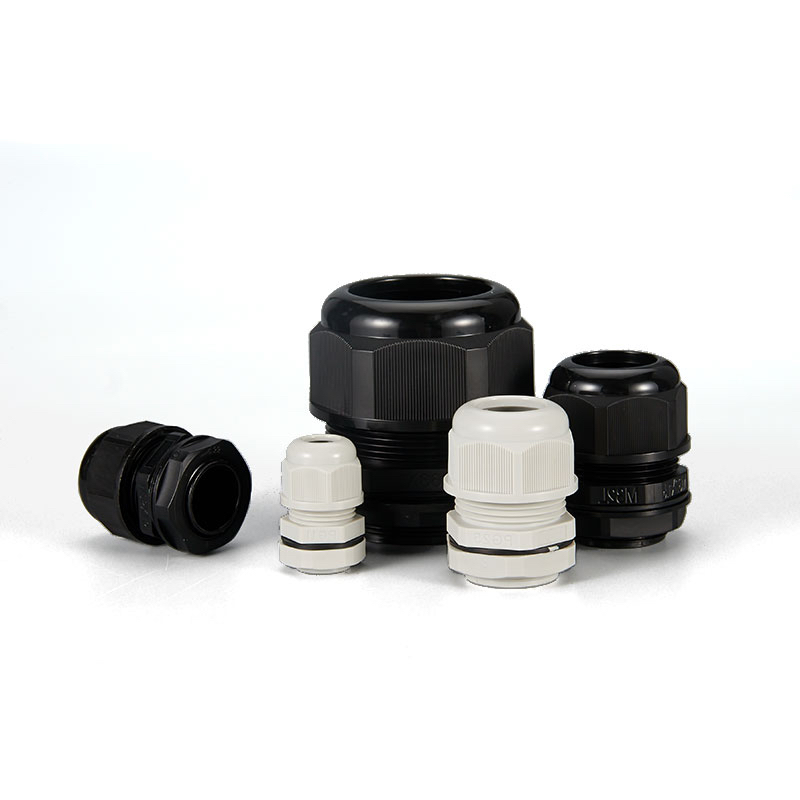
Poor cable gland selection in CCTV installations leads to moisture ingress, signal degradation, and costly system failures that compromise security coverage when you need it most. I’ve seen entire surveillance networks fail during critical moments simply because installers chose the wrong cable glands for outdoor environments.
Cable glands for CCTV and security systems must provide IP65/IP68 weatherproof protection1, maintain signal integrity, and offer easy installation while protecting against environmental hazards like moisture, dust, and temperature extremes. The right gland selection ensures reliable 24/7 security coverage and prevents expensive maintenance calls.
Last month, I worked with James, a security contractor from Manchester, who was dealing with recurring failures in a large retail chain’s outdoor CCTV network. Water ingress through inadequate cable glands was causing camera malfunctions and creating blind spots in their security coverage. The solution wasn’t just about waterproofing—it required understanding the specific demands of security system installations.
Table of Contents
- What Makes CCTV Cable Glands Different from Standard Applications?
- Which Cable Gland Types Work Best for Security Systems?
- How Do You Choose the Right IP Rating for Your Installation?
- What Are the Key Installation Considerations for CCTV Glands?
- How Can You Prevent Common CCTV Cable Gland Failures?
- FAQs About CCTV Cable Glands
What Makes CCTV Cable Glands Different from Standard Applications?
CCTV and security system installations present unique challenges that standard cable glands simply can’t handle. The combination of outdoor exposure, signal sensitivity, and 24/7 operation demands specialized solutions.
CCTV cable glands must provide superior environmental protection while maintaining signal integrity, supporting multiple cable types, and enabling quick installation in challenging outdoor locations. Unlike standard industrial applications, security systems can’t afford downtime or signal degradation that compromises surveillance coverage.
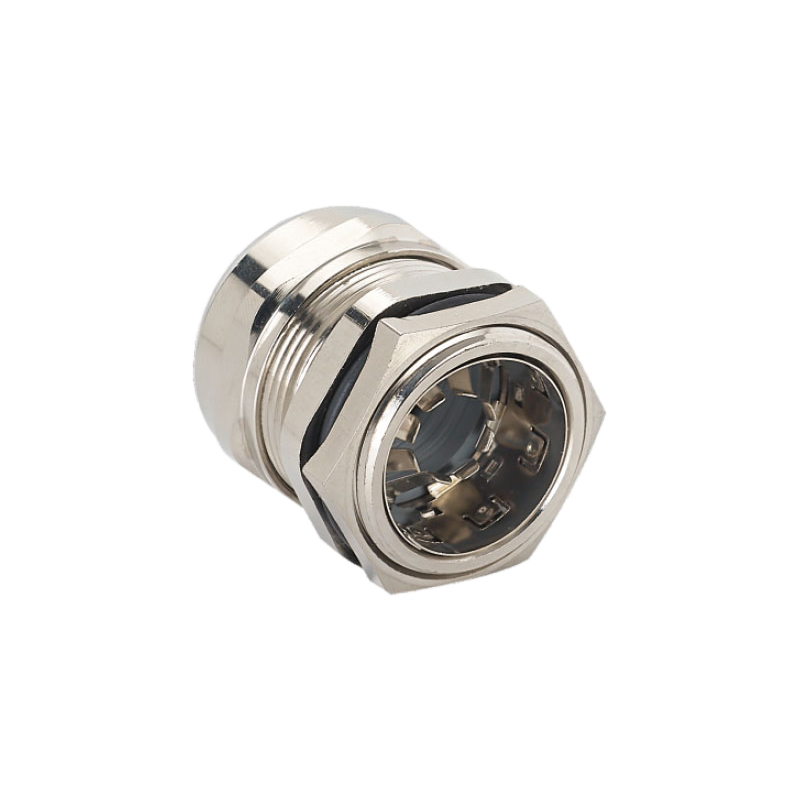
Environmental Protection Requirements
Security cameras and equipment face harsh outdoor conditions that standard applications rarely encounter:
Weather Resistance: CCTV installations must withstand rain, snow, UV radiation2, and temperature cycling from -40°C to +70°C. Standard cable glands often fail when exposed to prolonged UV radiation, causing rubber seals to crack and allowing moisture ingress.
Vandal Resistance: Security equipment locations make them targets for tampering. Cable glands need robust construction and tamper-evident features to maintain system integrity.
Long-Term Reliability: Security systems operate continuously for years without maintenance windows. Cable glands must maintain their sealing properties throughout extended service life.
Signal Integrity Considerations
Modern CCTV systems transmit high-frequency digital signals that are sensitive to interference and impedance changes:
| Signal Type | Frequency Range | Gland Requirements |
|---|---|---|
| Analog CCTV | DC to 6 MHz | Basic shielding, moisture protection |
| HD-SDI3 | Up to 3 GHz | Impedance matching, EMI shielding |
| IP Cameras | Ethernet signals | Category-rated performance, PoE compatibility |
| Fiber Optic | Light transmission | Bend radius protection, dust sealing |
James’s retail installation used HD-SDI cameras that were experiencing signal dropouts during rain. The issue wasn’t water directly contacting the cables—it was moisture changing the impedance characteristics of poorly sealed connections, causing signal reflections and dropouts.
Multi-Cable Management
CCTV installations often require multiple cables per location:
- Video signal cables (coax, twisted pair, or fiber)
- Power cables for cameras and equipment
- Control cables for PTZ functions
- Network cables for IP-based systems
Multi-cable glands designed for CCTV applications can accommodate different cable types while maintaining individual sealing integrity. This reduces installation time and potential failure points compared to using multiple single-cable glands.
Which Cable Gland Types Work Best for Security Systems?
Selecting the optimal cable gland type depends on your specific CCTV installation requirements, environmental conditions, and cable types. Each gland type offers distinct advantages for security applications.
For CCTV installations, nylon cable glands excel in standard outdoor applications, brass glands provide superior durability for harsh environments, and specialized EMC glands are essential for installations with electromagnetic interference concerns. Understanding these differences ensures optimal system performance and longevity.
Nylon Cable Glands for Standard CCTV
Nylon glands represent the most cost-effective solution for typical outdoor CCTV installations:
Advantages:
- Excellent UV resistance for long-term outdoor exposure
- Lightweight construction simplifies installation
- Chemical resistance to cleaning agents and pollutants
- Cost-effective for large installations
- Available in multiple colors for aesthetic matching
Best Applications:
- Residential security systems
- Commercial building perimeter cameras
- Standard outdoor environments
- Budget-conscious installations
Limitations:
- Temperature range typically -40°C to +100°C
- Not suitable for extreme mechanical stress
- Limited EMI shielding capabilities
Brass Cable Glands for Premium Installations
Brass glands offer superior performance for demanding CCTV applications:
Key Benefits:
- Extended temperature range (-50°C to +200°C)
- Excellent mechanical strength and impact resistance
- Natural EMI shielding properties
- Corrosion resistance in marine environments
- Professional appearance for visible installations
Ideal For:
- Industrial facility security systems
- Coastal and marine installations
- High-value asset protection
- Critical infrastructure monitoring
I recently worked with Hassan, a security consultant for oil refineries in Kuwait, who needed cable glands that could withstand extreme heat, sandstorms, and potential explosive atmospheres. Our ATEX-certified4 brass cable glands with specialized sealing compounds provided the reliability his critical infrastructure demanded.
Stainless Steel for Extreme Environments
For the most demanding CCTV installations, stainless steel glands provide unmatched durability:
Performance Features:
- Superior corrosion resistance
- Extreme temperature capability
- Vandal-resistant construction
- Chemical compatibility
- Long-term reliability
Applications:
- Correctional facility surveillance
- Chemical plant security
- Offshore platform monitoring
- High-security government installations
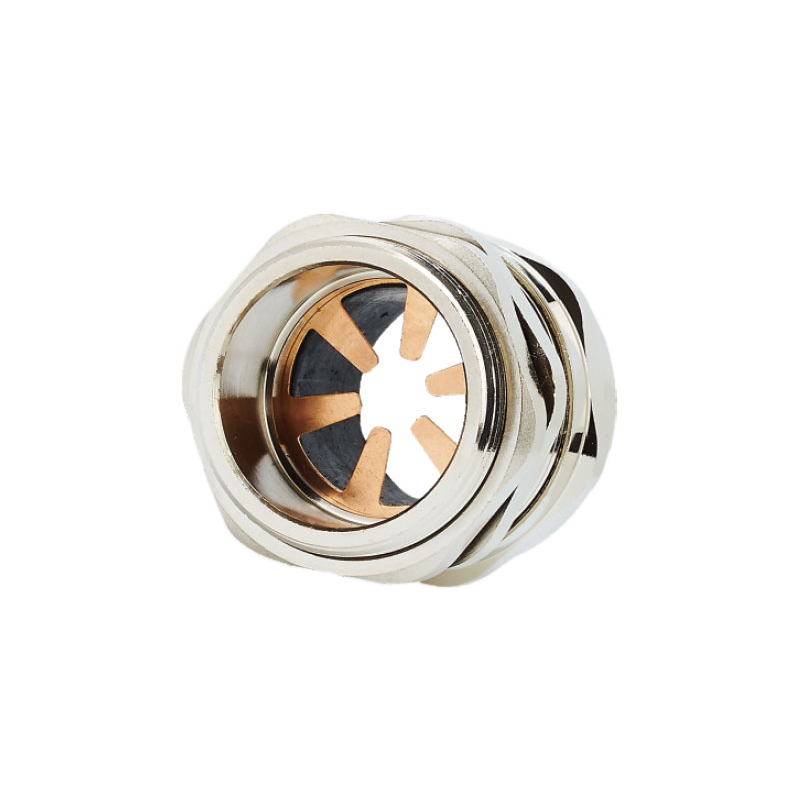
EMC Cable Glands for Signal-Critical Applications
Modern IP-based CCTV systems require EMC cable glands5 to prevent electromagnetic interference:
EMI Protection Benefits:
- 360-degree cable shielding
- Prevents signal degradation
- Reduces false alarms from interference
- Maintains network stability
- Complies with EMC regulations
How Do You Choose the Right IP Rating for Your Installation?
IP (Ingress Protection) ratings define a cable gland’s ability to protect against solid particles and liquids. For CCTV installations, selecting the appropriate IP rating is crucial for long-term reliability.
CCTV installations typically require IP65 rating as a minimum for outdoor applications, with IP68 preferred for installations exposed to direct water contact, flooding, or wash-down procedures. Understanding the specific environmental challenges helps determine the optimal protection level.
IP Rating Breakdown for CCTV Applications
IP65 – Standard Outdoor Protection:
- Protection against dust ingress
- Protection against water jets from any direction
- Suitable for most outdoor CCTV installations
- Cost-effective for standard applications
IP66 – Enhanced Water Protection:
- Protection against powerful water jets
- Better performance in severe weather
- Recommended for coastal installations
- Suitable for high-pressure cleaning environments
IP67 – Temporary Immersion Protection:
- Protection against temporary immersion up to 1 meter
- Ideal for flood-prone areas
- Suitable for ground-level installations
- Enhanced reliability for critical systems
IP68 – Continuous Immersion Protection:
- Protection against continuous immersion
- Manufacturer-specified depth and duration
- Essential for underwater camera installations
- Maximum protection for extreme environments
Environmental Assessment Guide
Standard Outdoor (IP65 minimum):
- Building-mounted cameras
- Covered installation areas
- Standard weather exposure
- Regular maintenance access
Harsh Outdoor (IP66-IP67):
- Coastal installations
- Industrial environments
- Areas with high-pressure cleaning
- Extreme weather regions
Extreme Conditions (IP68):
- Flood-prone locations
- Underground installations
- Marine applications
- Wash-down areas
James’s Manchester retail installation required IP67 rating due to the UK’s frequent heavy rainfall and the potential for standing water around ground-level camera positions. The upgrade from IP65 to IP67 glands eliminated his moisture-related failures completely.
What Are the Key Installation Considerations for CCTV Glands?
Proper installation techniques are critical for achieving the rated protection level and ensuring long-term reliability of CCTV cable glands. Poor installation practices can compromise even the highest-quality glands.
Successful CCTV cable gland installation requires proper cable preparation, correct torque application, appropriate sealing compound use, and consideration of thermal expansion, cable routing, and future maintenance access. Following manufacturer specifications and industry best practices prevents most installation-related failures.
Cable Preparation and Sizing
Cable Diameter Matching:
Proper cable-to-gland sizing ensures effective sealing:
- Measure actual cable outer diameter, not nominal size
- Account for cable jacket variations and tolerances
- Consider temperature-related expansion/contraction
- Allow for cable bundling if using multi-cable glands
Cable End Preparation:
- Remove cable jacket to manufacturer specifications
- Maintain cable shield integrity for EMC applications
- Apply cable lubricant compatible with gland seals
- Inspect for damage before installation
Installation Sequence and Techniques
Step-by-Step Process:
- Thread Verification: Ensure gland threads match enclosure threads
- Seal Inspection: Check all sealing components for damage
- Cable Insertion: Route cable through gland components in correct order
- Compression Application: Tighten to specified torque values
- Seal Verification: Confirm proper seal compression and alignment
Critical Torque Values:
| Gland Size | Material | Torque Range |
|---|---|---|
| M12 | Nylon | 5-8 Nm |
| M16 | Nylon | 8-12 Nm |
| M20 | Nylon | 12-18 Nm |
| M12 | Brass | 8-12 Nm |
| M16 | Brass | 15-20 Nm |
| M20 | Brass | 20-25 Nm |
Environmental Considerations
Temperature Cycling:
CCTV installations experience significant temperature variations:
- Allow for thermal expansion in cable routing
- Use glands rated for full temperature range
- Consider differential expansion between materials
- Provide service loops for thermal movement
UV Protection:
Extended UV exposure degrades many materials:
- Select UV-stabilized gland materials
- Consider protective coatings for metal glands
- Position glands to minimize direct sun exposure
- Plan for periodic inspection and replacement
Vibration and Movement:
Security equipment may experience vibration from wind, traffic, or equipment operation:
- Use strain relief appropriate for installation
- Secure cables to prevent movement transmission
- Consider flexible conduit for high-vibration areas
- Design for thermal expansion movement
Hassan’s refinery installation required special attention to thermal cycling, as desert temperatures could swing from 10°C at night to 55°C during the day. We used brass glands with high-temperature seals and provided generous service loops to accommodate thermal expansion without stressing the connections.
How Can You Prevent Common CCTV Cable Gland Failures?
Understanding and preventing common failure modes extends system life and reduces maintenance costs. Most CCTV cable gland failures are predictable and preventable with proper selection and installation practices.
The most common CCTV cable gland failures include seal degradation from UV exposure, improper installation torque, cable movement damage, and incompatible materials selection, all of which can be prevented through proper specification, installation, and maintenance practices. Proactive failure prevention is more cost-effective than reactive repairs.
Seal Degradation Prevention
UV-Related Failures:
UV radiation is the primary cause of outdoor seal failures:
- Prevention: Select UV-stabilized elastomer compounds
- Monitoring: Inspect seals annually for cracking or hardening
- Replacement: Replace seals showing UV damage before failure
- Protection: Use UV-resistant coatings where applicable
Chemical Compatibility Issues:
Cleaning agents and environmental chemicals can attack seals:
- Assessment: Identify all chemicals that may contact glands
- Selection: Choose chemically compatible seal materials
- Testing: Conduct compatibility testing for critical applications
- Documentation: Maintain chemical exposure records
Installation-Related Failure Prevention
Torque-Related Problems:
Incorrect installation torque causes most early failures:
Under-Torquing Symptoms:
- Moisture ingress
- Loose connections
- Gradual seal extrusion
- Progressive failure
Over-Torquing Symptoms:
- Seal damage during installation
- Thread stripping
- Immediate seal failure
- Difficult future maintenance
Prevention Strategies:
- Use calibrated torque wrenches
- Follow manufacturer torque specifications
- Train installers on proper techniques
- Document installation torque values
Cable Movement and Strain Relief
Wind-Induced Movement:
Outdoor cameras experience significant wind loading:
- Solution: Provide adequate strain relief at gland entry
- Design: Use flexible conduit for moving installations
- Mounting: Secure cables independently of camera movement
- Inspection: Check strain relief integrity during maintenance
Thermal Movement:
Temperature changes cause cable expansion and contraction:
- Planning: Calculate thermal movement for cable runs
- Installation: Provide service loops for expansion
- Materials: Use compatible expansion coefficients
- Monitoring: Inspect for thermal stress damage
Preventive Maintenance Program
Inspection Schedule:
- Monthly: Visual inspection for obvious damage
- Quarterly: Detailed seal and connection inspections
- Annually: Torque verification and seal replacement assessment
- Bi-annually: Complete system performance evaluation
Documentation Requirements:
- Installation records with torque values
- Inspection findings and corrective actions
- Environmental exposure documentation
- Failure analysis and lessons learned
James implemented a comprehensive preventive maintenance program after resolving his initial failures. The program included quarterly inspections, annual seal assessments, and detailed documentation. This proactive approach reduced his emergency service calls by 90% and significantly improved system reliability.
Conclusion
Selecting and installing the right cable glands for CCTV and security systems is critical for maintaining reliable surveillance coverage. Success requires understanding the unique environmental challenges, choosing appropriate materials and IP ratings, following proper installation procedures, and implementing preventive maintenance programs. The investment in quality cable glands and professional installation practices pays dividends through reduced downtime, lower maintenance costs, and consistent security system performance. Remember: your security system is only as reliable as its weakest component—don’t let cable glands be that weak link! 😉
FAQs About CCTV Cable Glands
Q: What IP rating do I need for outdoor CCTV camera installations?
A: IP65 is the minimum for standard outdoor CCTV installations, providing protection against dust and water jets. IP67 or IP68 ratings are recommended for installations exposed to flooding, high-pressure washing, or extreme weather conditions.
Q: Can I use standard electrical cable glands for CCTV systems?
A: While possible, it’s not recommended for professional installations. CCTV-specific glands offer better signal integrity protection, multi-cable accommodation, and environmental resistance tailored to security system requirements.
Q: How do I prevent moisture problems in outdoor CCTV cable connections?
A: Use properly rated IP65+ cable glands, ensure correct installation torque, apply appropriate sealing compounds, and provide adequate strain relief. Regular inspection and preventive seal replacement also prevent moisture ingress.
Q: What’s the difference between nylon and brass cable glands for CCTV?
A: Nylon glands are cost-effective, UV-resistant, and suitable for standard installations. Brass glands offer superior durability, better EMI shielding, extended temperature range, and professional appearance for demanding applications.
Q: How often should I inspect CCTV cable glands?
A: Perform visual inspections monthly, detailed inspections quarterly, and comprehensive assessments annually. Replace seals showing UV damage, cracking, or hardening before they fail to maintain system reliability.
-
Learn more about Ingress Protection (IP) ratings and what the numbers signify for electrical enclosures. ↩
-
Understand how ultraviolet (UV) radiation affects materials like plastic and rubber over time. ↩
-
Explore the technical specifications and bandwidth requirements of the HD-SDI video standard. ↩
-
Find out what ATEX certification means and how it applies to equipment used in potentially explosive atmospheres. ↩
-
Discover the principles of Electromagnetic Compatibility (EMC) and why it’s crucial for signal integrity. ↩