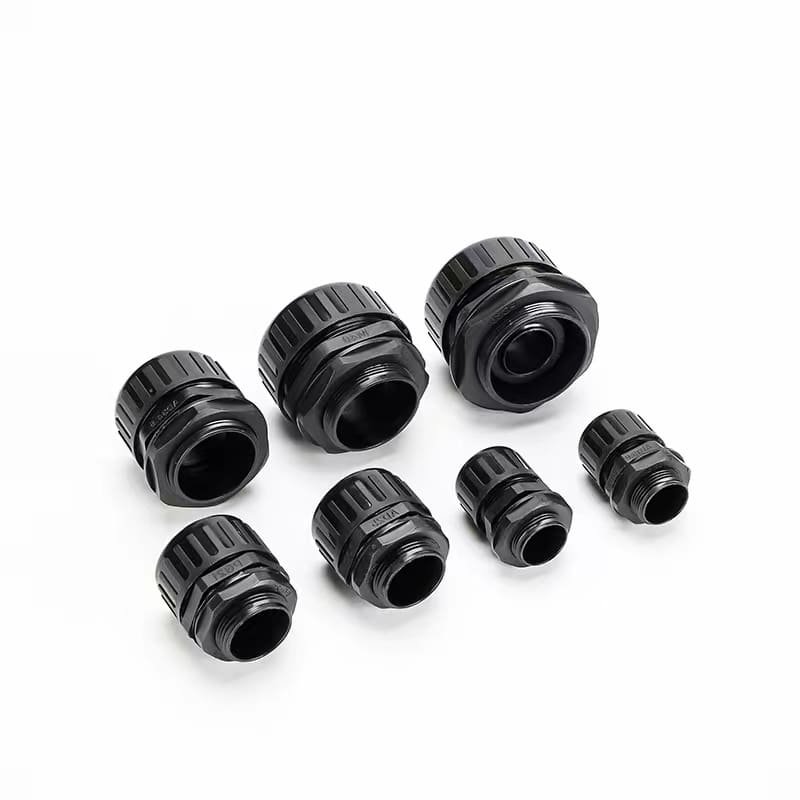
When Robert, a project engineer from a major wind farm installation in Texas, called me last month, he was frustrated. “Samuel, we’ve been using hex top cable glands for years, but our new contractor insists on dome tops. What’s the real difference, and does it actually matter for performance?” This conversation happens more often than you’d think in our industry.
Dome top and hex top cable glands differ primarily in their head design and installation method: dome tops feature smooth, rounded heads for aesthetic applications and tamper resistance, while hex tops provide flat surfaces with wrench flats for easier installation and higher torque applications in industrial environments. Both designs offer identical sealing performance when properly installed, but serve different functional and aesthetic requirements.
As someone who’s been supplying cable glands for over a decade, I’ve seen how this seemingly simple design choice can impact everything from installation efficiency to long-term maintenance costs. The key is understanding when each design provides the best value for your specific application 😉
Table of Contents
- What Are the Key Differences Between Dome Top and Hex Top Cable Glands?
- Which Design Offers Better Installation Performance?
- How Do Aesthetic and Functional Requirements Influence Your Choice?
- What Are the Cost and Maintenance Implications?
- How Do You Select the Right Design for Your Application?
- FAQs About Dome Top vs Hex Top Cable Glands
What Are the Key Differences Between Dome Top and Hex Top Cable Glands?
Understanding the fundamental differences between these two designs is crucial for making informed purchasing decisions.
The primary differences between dome top and hex top cable glands lie in their head geometry, installation method, and intended applications: dome tops feature smooth, curved surfaces for aesthetic appeal and Tamper Resistance1, while hex tops provide flat wrench surfaces for mechanical advantage during installation and maintenance.
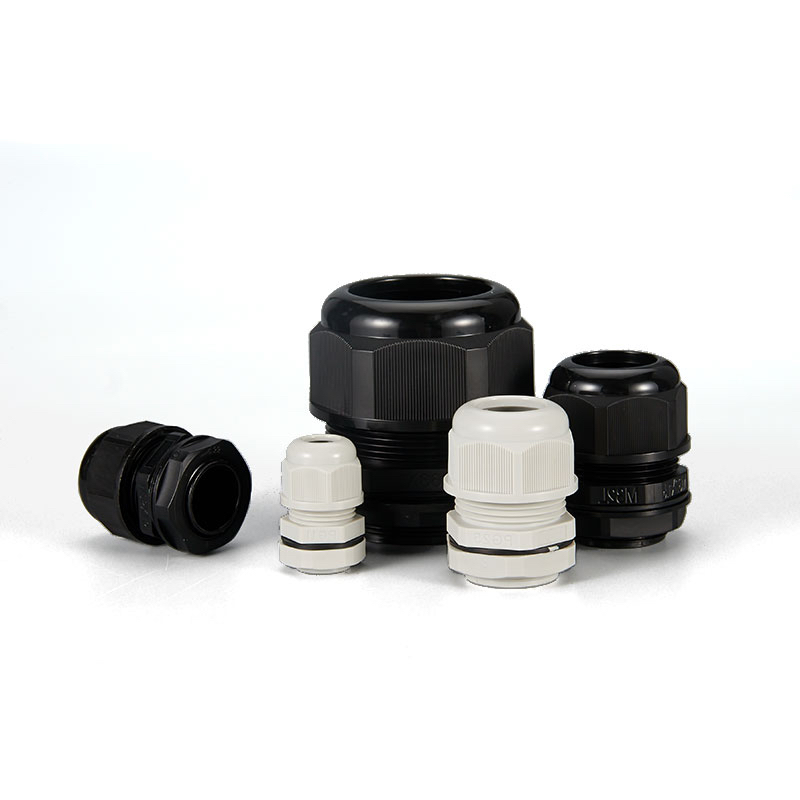
Design Characteristics Comparison
| Feature | Dome Top | Hex Top |
|---|---|---|
| Head Shape | Smooth, rounded | Flat with 6 sides |
| Installation Tool | Hand tightening or strap wrench | Standard wrench or socket |
| Torque Capability | Limited (15-20 Nm typical) | High (25-40 Nm typical) |
| Aesthetic Appeal | Clean, streamlined | Industrial, functional |
| Tamper Resistance | High | Low |
Material and Construction Similarities
Both designs share identical internal construction:
- Sealing Performance: Same O-ring and compression seal systems
- Thread Specifications: Identical metric or NPT threading2
- Material Options: Available in nylon, brass, stainless steel variants
- IP Ratings: Achieve same ingress protection levels (IP68 standard3)
- Cable Clamping: Identical strain relief and cable retention mechanisms
Application-Specific Advantages
Dome Top Benefits:
- Clean appearance for architectural applications
- Reduced vandalism risk in public installations
- Smooth profile minimizes dirt and debris accumulation
- Preferred for food processing and pharmaceutical environments
Hex Top Benefits:
- Precise torque control during installation
- Easy maintenance access with standard tools
- Better performance in high-vibration environments
- Cost-effective for large industrial installations
Take Hassan, who manages a food processing facility in Dubai. When upgrading their cable gland installations, he specifically chose dome tops because “the smooth surfaces are easier to clean and sanitize, and they look more professional in our clean room environments.”
Which Design Offers Better Installation Performance?
Installation efficiency can significantly impact project timelines and labor costs, making this a critical consideration for contractors and engineers.
Hex top cable glands typically offer superior installation performance due to their compatibility with standard tools, ability to achieve precise torque specifications, and faster installation times in industrial environments where multiple glands require installation.
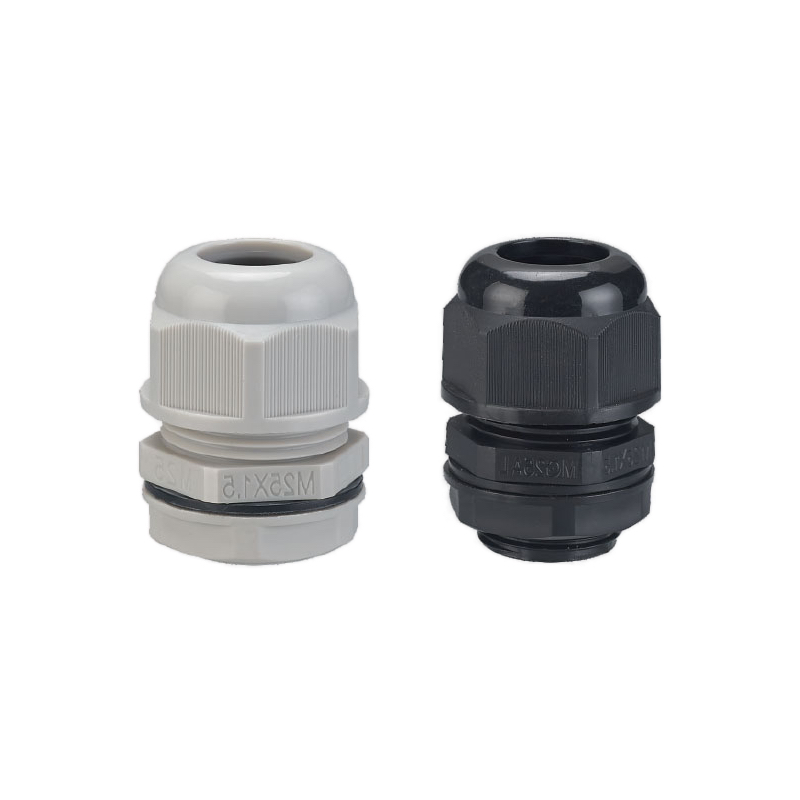
Installation Speed Analysis
Based on our field studies with installation contractors:
Hex Top Installation Times:
- Single gland: 45-60 seconds average
- Uses standard 19mm or 22mm wrenches
- Consistent torque application possible
- No specialized tools required
Dome Top Installation Times:
- Single gland: 75-90 seconds average
- Requires strap wrenches4 or specialized tools
- Hand-tightening limits achievable torque
- More skill-dependent installation
Torque Specifications and Reliability
Proper torque application ensures optimal sealing performance:
Hex Top Advantages:
- Precise torque control (±2 Nm accuracy typical)
- Consistent installation across multiple technicians
- Meets manufacturer specifications reliably
- Reduced risk of under or over-tightening
Dome Top Limitations:
- Torque accuracy depends on installer experience
- Strap wrench slippage can cause inconsistent results
- Hand-tightening may not achieve optimal compression
- Higher variation in installation quality
Tool Requirements and Accessibility
Standard Tool Compatibility:
Hex tops work with common electrical contractor tools, reducing equipment costs and training requirements. Most electricians already carry the necessary wrenches.
Specialized Tool Needs:
Dome tops often require strap wrenches, rubber-lined pipe wrenches, or custom installation tools, adding to project costs and complexity.
Field Installation Challenges
Robert from the Texas wind farm project discovered that dome tops created unexpected challenges: “In windy conditions 50 feet up on a turbine, trying to use a strap wrench while wearing safety gloves was nearly impossible. We ended up switching to hex tops for all outdoor installations.”
How Do Aesthetic and Functional Requirements Influence Your Choice?
The choice between dome and hex tops often comes down to balancing visual appeal with functional requirements.
Aesthetic requirements favor dome top cable glands in architectural, commercial, and public-facing applications where clean appearance matters, while functional requirements in industrial settings typically favor hex top designs for their superior installation and maintenance characteristics.
Aesthetic Considerations by Industry
Architectural and Commercial Applications:
- Office buildings: Dome tops provide clean, professional appearance
- Retail spaces: Smooth profiles complement modern design aesthetics
- Healthcare facilities: Easy-to-clean surfaces meet hygiene requirements
- Educational institutions: Tamper-resistant design reduces vandalism
Industrial and Utility Applications:
- Manufacturing plants: Hex tops enable efficient maintenance
- Power generation: Standard tools reduce service complexity
- Oil and gas: High torque capability ensures reliable sealing
- Marine installations: Easy access for routine inspections
Functional Performance Factors
Environmental Durability:
Both designs offer identical environmental protection, but maintenance accessibility differs significantly.
Vibration Resistance:
Hex tops typically maintain tighter connections in high-vibration environments due to higher achievable torque values.
Security Considerations:
Dome tops provide inherent tamper resistance, while hex tops can be easily loosened with standard tools.
Cost-Benefit Analysis by Application Type
| Application Type | Recommended Design | Primary Reason |
|---|---|---|
| Data Centers | Dome Top | Aesthetic appeal, low maintenance |
| Chemical Plants | Hex Top | Easy maintenance, high torque |
| Food Processing | Dome Top | Cleanability, hygiene compliance |
| Power Distribution | Hex Top | Service accessibility, reliability |
| Telecommunications | Dome Top | Vandal resistance, appearance |
Long-term Maintenance Implications
Dome Top Maintenance:
- Requires specialized tools for service
- Higher labor costs for routine maintenance
- Potential for damage during removal
- Limited torque for reinstallation
Hex Top Maintenance:
- Standard tools enable quick service
- Lower maintenance labor costs
- Consistent reinstallation torque
- Easier troubleshooting access
What Are the Cost and Maintenance Implications?
Understanding the total cost of ownership helps justify the initial design choice over the product lifecycle.
While dome top and hex top cable glands typically have similar initial purchase prices, hex top designs generally offer lower total cost of ownership5 due to reduced installation time, lower maintenance costs, and compatibility with standard tools, making them more economical for large industrial installations.
Initial Cost Comparison
Purchase Price Parity:
Most manufacturers, including Bepto, price dome and hex top variants identically for the same specifications. The cost difference typically appears in installation and maintenance phases.
Tooling Costs:
- Hex tops: $0 additional (standard wrenches)
- Dome tops: $50-200 per installation crew (strap wrenches, specialized tools)
Installation Cost Analysis
Based on typical contractor rates ($75/hour loaded cost):
Labor Cost per Gland:
- Hex top: $0.94 (45 seconds average)
- Dome top: $1.56 (75 seconds average)
- Savings: $0.62 per gland with hex tops
Project Scale Impact:
For a 1000-gland installation:
- Hex top total labor: $940
- Dome top total labor: $1,560
- Project savings: $620 with hex tops
Maintenance Cost Considerations
Routine Maintenance Frequency:
Industrial environments typically require cable gland inspection every 2-3 years, with potential retightening or replacement.
Service Cost Comparison:
- Hex top service: 5-10 minutes per gland
- Dome top service: 10-15 minutes per gland
- Maintenance cost difference: 50-100% higher for dome tops
Lifecycle Cost Modeling
Over a typical 15-year service life:
Hex Top Total Cost:
- Initial purchase: $100 (example for 10 glands)
- Installation: $9.40
- Maintenance (5 cycles): $25
- Total: $134.40
Dome Top Total Cost:
- Initial purchase: $100
- Installation: $15.60
- Maintenance (5 cycles): $50
- Total: $165.60
Lifecycle savings with hex tops: 23%
Return on Investment Factors
The ROI calculation depends on:
- Installation scale (larger projects favor hex tops)
- Maintenance frequency requirements
- Labor rates in your region
- Aesthetic value requirements
For Hassan’s Dubai facility, the choice of dome tops was justified by hygiene requirements that outweighed the higher maintenance costs. However, for Robert’s wind farm project, hex tops provided clear economic advantages.
How Do You Select the Right Design for Your Application?
Making the optimal choice requires systematic evaluation of your specific requirements and operating conditions.
Selecting between dome top and hex top cable glands requires evaluating aesthetic requirements, installation constraints, maintenance accessibility needs, environmental conditions, and total cost of ownership to determine which design provides the best value for your specific application.
Application Assessment Framework
Step 1: Define Primary Requirements
- Aesthetic importance (high/medium/low)
- Installation volume (single units vs. large quantities)
- Maintenance frequency expectations
- Environmental severity
- Security/tamper resistance needs
Step 2: Evaluate Installation Constraints
- Available tools and technician skills
- Installation environment (confined spaces, height, weather)
- Torque requirements for your application
- Timeline pressures
Step 3: Calculate Total Cost Impact
- Initial purchase price comparison
- Installation labor cost analysis
- Long-term maintenance cost projection
- Tool investment requirements
Decision Matrix by Application Type
| Application Category | Dome Top Score | Hex Top Score | Recommendation |
|---|---|---|---|
| Architectural/Commercial | 9/10 | 6/10 | Dome Top |
| Heavy Industrial | 4/10 | 9/10 | Hex Top |
| Food/Pharmaceutical | 8/10 | 5/10 | Dome Top |
| Power/Utilities | 3/10 | 9/10 | Hex Top |
| Marine/Offshore | 5/10 | 8/10 | Hex Top |
Bepto’s Selection Recommendations
Based on our experience with thousands of installations:
Choose Dome Tops When:
- Aesthetic appearance is critical
- Tamper resistance is required
- Easy cleaning/sanitization needed
- Low maintenance frequency expected
- Installation volume is small (<50 units)
Choose Hex Tops When:
- Installation efficiency is priority
- High torque requirements exist
- Frequent maintenance expected
- Large installation volumes (>100 units)
- Standard tool compatibility required
Hybrid Approach Considerations
Some projects benefit from mixed installations:
- Dome tops for visible/public areas
- Hex tops for service/industrial areas
- Consistent internal specifications for inventory simplification
Technical Support and Consultation
At Bepto, we provide application-specific recommendations based on:
- Detailed requirement analysis
- Environmental condition assessment
- Cost-benefit modeling for your specific situation
- Compatibility verification with existing systems
Our technical team has developed selection software that considers over 30 variables to recommend the optimal design for any application.
FAQs About Dome Top vs Hex Top Cable Glands
Q: Do dome top and hex top cable glands have the same sealing performance?
A: Yes, both designs offer identical sealing performance and IP ratings when properly installed. The internal sealing mechanisms, O-rings, and compression systems are identical—only the external head design differs between the two variants.
Q: Can I use a regular wrench on dome top cable glands?
A: No, regular wrenches cannot grip dome top cable glands effectively. You need strap wrenches, rubber-lined pipe wrenches, or specialized installation tools designed for smooth surfaces to avoid damage and achieve proper torque.
Q: Which design is better for outdoor installations?
A: Hex top cable glands are generally better for outdoor installations due to easier maintenance access and higher torque capability. However, dome tops may be preferred in public areas where vandalism is a concern or aesthetic appearance is important.
Q: Are dome top cable glands more expensive than hex top versions?
A: Initial purchase prices are typically identical for both designs. However, dome tops often have higher total cost of ownership due to longer installation times, specialized tool requirements, and increased maintenance complexity.
Q: How much torque difference is there between dome top and hex top installations?
A: Hex top cable glands can typically achieve 25-40 Nm torque with standard wrenches, while dome tops are usually limited to 15-20 Nm due to tool limitations and hand-tightening constraints. This affects sealing reliability in high-vibration applications.
-
Explore the concept of tamper resistance and how it applies to component design in public or secure areas. ↩
-
Learn about the differences between Metric and NPT thread standards used globally. ↩
-
See the official Ingress Protection (IP) code definitions from the IEC standard to understand these ratings. ↩
-
Understand how strap wrenches function and are used for gripping smooth or irregular objects without damage. ↩
-
Learn about the Total Cost of Ownership (TCO) financial estimate used in purchasing decisions. ↩