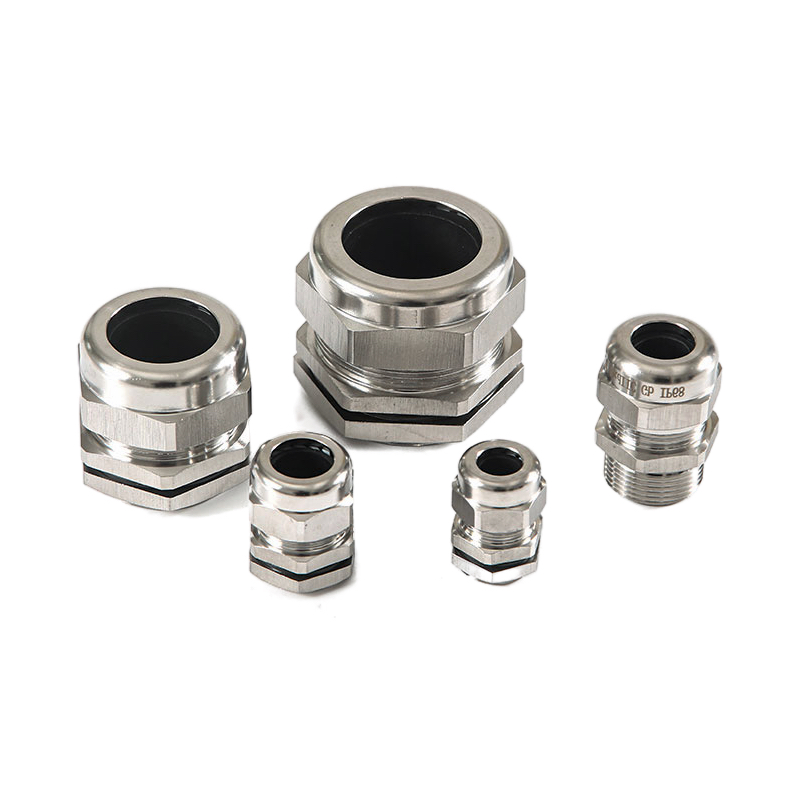
Wastewater treatment plants face some of the most challenging environments in industrial applications, where a single cable gland failure can result in equipment damage, environmental contamination, and costly downtime. The combination of corrosive chemicals, high humidity, temperature fluctuations, and strict environmental regulations creates a perfect storm for electrical system failures. Cable glands for wastewater treatment plants require specialized designs that provide superior chemical resistance, IP68/IP69K sealing protection1, corrosion-resistant materials like stainless steel or specialized polymers, and compliance with water industry standards to ensure reliable performance in aggressive environments containing acids, bases, chlorine compounds, and biological contaminants. Just last month, I worked with Marcus, the maintenance director at a major wastewater treatment facility in Birmingham, UK, who was experiencing recurring seal failures in their pump control systems. After switching to our marine-grade stainless steel cable glands with enhanced chemical-resistant sealing rings, his facility achieved 100% uptime over six months of operation, even during their most aggressive chemical cleaning cycles.
Table of Contents
- What Makes Wastewater Treatment Plants So Challenging for Cable Glands?
- Which Cable Gland Materials Provide the Best Chemical Resistance?
- How Do IP Ratings Impact Cable Gland Selection for Water Treatment?
- What Are the Key Installation Considerations for Wastewater Applications?
- How Does Bepto Engineer Solutions for Water Treatment Facilities?
- FAQs About Cable Glands for Wastewater Treatment
What Makes Wastewater Treatment Plants So Challenging for Cable Glands?
Wastewater treatment facilities present a unique combination of environmental hazards that can quickly destroy inadequately specified cable glands and electrical connections.
Wastewater treatment plants create extremely challenging conditions for cable glands due to aggressive chemical exposure from treatment processes, constant high humidity and water spray, temperature cycling from process variations, corrosive gas emissions like hydrogen sulfide2, biological contamination, and strict regulatory requirements that demand reliable sealing performance to prevent environmental contamination and ensure worker safety.

Chemical Exposure Challenges
Aggressive Treatment Chemicals:
Wastewater treatment processes use powerful chemicals including chlorine, sodium hypochlorite, sulfuric acid, caustic soda, and various coagulants that can rapidly degrade standard cable gland materials and sealing components.
pH Extremes:
Treatment processes create environments with pH levels ranging from highly acidic (pH 2-3) to strongly alkaline (pH 11-12), requiring cable glands with materials that resist both acid and base attack.
Chlorine Resistance Requirements:
Disinfection processes using chlorine compounds create oxidizing environments that can cause rapid degradation of elastomer seals and metal components not specifically designed for chlorine resistance.
Environmental Conditions
Constant High Humidity:
Wastewater facilities typically maintain 80-95% relative humidity, creating condensation challenges and requiring superior moisture sealing to prevent electrical failures.
Temperature Cycling:
Process variations, seasonal changes, and equipment heat cycling create thermal stress on cable glands, requiring materials that
maintain sealing integrity through repeated expansion and contraction cycles.
Corrosive Gas Emissions:
Biological processes generate hydrogen sulfide, ammonia, and other corrosive gases that attack metal components and require specialized protective coatings or corrosion-resistant alloys.
Biological Contamination
Microbial Growth:
The presence of organic matter and moisture creates ideal conditions for microbial growth, which can degrade certain polymer materials and create biofilm contamination on equipment surfaces.
Cleaning Protocol Requirements:
Regular high-pressure washdown and chemical disinfection procedures require cable glands that can withstand aggressive cleaning agents and high-pressure water jets.
Regulatory Compliance
Environmental Protection:
Cable gland failures that allow water ingress into electrical systems can create environmental hazards, making reliable sealing critical for regulatory compliance.
Worker Safety Standards:
Electrical failures in wastewater environments pose significant safety risks, requiring cable glands that meet stringent safety and reliability standards.
Which Cable Gland Materials Provide the Best Chemical Resistance?
Material selection is critical for cable gland performance in wastewater treatment applications, where chemical compatibility determines long-term reliability and safety.
The best cable gland materials for wastewater treatment include 316L stainless steel for superior corrosion resistance, duplex stainless steels for extreme chemical environments, specialized polymer compounds like PVDF and PEEK for chemical compatibility, and advanced elastomer sealing materials such as FFKM (Kalrez) and EPDM formulations specifically designed for water treatment chemical exposure.
Stainless Steel Options
316L Stainless Steel:
The most commonly specified material for wastewater applications, 316L provides excellent resistance to chlorides, acids, and most treatment chemicals while offering good mechanical strength and durability.
Duplex Stainless Steels:
For extreme chemical environments, duplex grades like 2205 or super duplex 2507 offer enhanced resistance to pitting, crevice corrosion, and stress corrosion cracking3 in chloride-rich environments.
Surface Treatments:
Electropolishing and passivation treatments enhance corrosion resistance and reduce surface contamination, making cleaning and maintenance more effective.
Advanced Polymer Materials
PVDF (Polyvinylidene Fluoride):
Excellent chemical resistance to acids, bases, and chlorine compounds, with good mechanical properties and UV resistance for outdoor installations.
PEEK (Polyetheretherketone):
Superior chemical resistance and high-temperature performance, ideal for critical applications where metal cable glands may not provide adequate chemical compatibility.
Modified Nylon Compounds:
Specially formulated nylon materials with enhanced chemical resistance and UV stabilization for cost-effective solutions in less aggressive environments.
Sealing Material Selection
FFKM (Perfluoroelastomer)4:
The ultimate sealing material for chemical resistance, FFKM seals like Kalrez provide compatibility with virtually all wastewater treatment chemicals while maintaining sealing performance at temperature extremes.
EPDM Formulations:
Specially compounded EPDM materials offer excellent resistance to ozone, chlorine, and many treatment chemicals at a more economical cost than FFKM.
FKM (Viton) Grades:
Various FKM formulations provide good chemical resistance for many wastewater applications, with different grades optimized for specific chemical exposures.
Case Study: Saudi Arabian Desalination Plant
Hassan, the operations manager at a large seawater desalination and wastewater treatment facility in Jeddah, Saudi Arabia, was experiencing severe corrosion issues with their standard brass cable glands in the brine handling areas. The combination of high chloride concentrations, elevated temperatures, and aggressive cleaning chemicals was causing failures every 6-8 months. After implementing our super duplex stainless steel cable glands with FFKM sealing rings, Hassan’s facility has operated for over three years without a single cable gland failure, even in the most aggressive brine processing areas. The investment in premium materials paid for itself within the first year through eliminated replacement costs and reduced maintenance downtime.
How Do IP Ratings Impact Cable Gland Selection for Water Treatment?
IP (Ingress Protection) ratings are crucial for wastewater treatment applications where water ingress can cause catastrophic electrical failures and safety hazards.
IP ratings for wastewater treatment cable glands should typically meet IP68 minimum standards for continuous submersion protection, with IP69K ratings preferred for areas subject to high-pressure washdown procedures, ensuring complete protection against water ingress, dust contamination, and maintaining electrical safety in wet environments while supporting regulatory compliance and operational reliability.

Understanding IP Rating Requirements
IP68 Standard Protection:
IP68 provides protection against continuous submersion, essential for cable glands in pump stations, wet wells, and areas prone to flooding during maintenance or emergency conditions.
IP69K High-Pressure Protection:
Areas subject to high-pressure washdown require IP69K rated cable glands that can withstand pressurized water jets up to 100 bar and temperatures up to 80°C during cleaning procedures.
Temporary vs. Continuous Exposure:
Different areas of wastewater plants have varying exposure levels, requiring careful analysis of actual conditions rather than blanket specifications.
Application-Specific IP Requirements
Pump Stations and Wet Wells:
These areas require IP68 minimum due to potential submersion during maintenance, pump failures, or extreme weather events.
Chemical Feed Areas:
While not typically submerged, chemical spills and washdown procedures require IP67 minimum with preference for IP68 in critical applications.
Control Rooms and Electrical Buildings:
Indoor electrical areas may only require IP54 or IP65, but proximity to treatment processes often justifies higher ratings.
Testing and Verification
Factory Testing:
All cable glands should be factory tested to their specified IP rating using standardized test procedures to ensure consistent performance.
Field Verification:
Installation quality significantly impacts IP rating performance, requiring proper installation procedures and periodic verification testing.
Long-term Performance:
IP ratings can degrade over time due to seal aging, chemical exposure, or mechanical damage, necessitating regular inspection and maintenance programs.
Regulatory Considerations
Electrical Code Compliance:
Local electrical codes may specify minimum IP ratings for wastewater applications, often requiring IP67 or higher for wet locations.
Environmental Regulations:
Water ingress leading to electrical failures can create environmental hazards, making high IP ratings essential for regulatory compliance.
Insurance Requirements:
Insurance providers may require specific IP ratings to minimize risk of water damage claims in wastewater facilities.
What Are the Key Installation Considerations for Wastewater Applications?
Proper installation is critical for cable gland performance in wastewater treatment plants, where installation errors can lead to premature failures and safety hazards.
Key installation considerations for wastewater cable glands include proper thread engagement and sealing compound application, correct cable preparation and strain relief, appropriate torque specifications for chemical-resistant materials, consideration of thermal expansion in temperature-cycling environments, and implementation of maintenance access provisions for inspection and replacement in aggressive service conditions.
Pre-Installation Planning
Environmental Assessment:
Evaluate specific chemical exposures, temperature ranges, and moisture conditions at each installation location to ensure proper material selection and installation procedures.
Access Planning:_
Plan installations to provide adequate access for future maintenance, inspection, and replacement while considering safety requirements for working in wastewater environments.
Cable Routing:
Design cable routing to minimize stress on cable glands while providing proper drainage and avoiding chemical splash zones where possible.
Installation Procedures
Thread Preparation:
Clean all threads thoroughly and apply appropriate thread sealant compatible with the chemical environment and cable gland materials.
Cable Preparation:
Proper cable stripping, cleaning, and preparation is essential for achieving rated sealing performance and preventing contamination ingress.
Torque Specifications:
Follow manufacturer torque specifications carefully, as over-tightening can damage seals while under-tightening compromises sealing integrity.
Quality Control Measures
Installation Inspection:
Implement inspection procedures to verify proper installation before system commissioning, including visual inspection and basic leak testing where appropriate.
Documentation:
Maintain detailed installation records including materials used, installation dates, and inspection results for future maintenance planning.
Training Requirements:
Ensure installation personnel understand the critical nature of proper installation in wastewater environments and the consequences of installation errors.
Maintenance Considerations
Inspection Schedules:
Establish regular inspection schedules based on environmental severity and historical performance data to identify potential issues before failures occur.
Replacement Planning:
Plan for systematic replacement of cable glands in aggressive environments based on service life data and risk assessment.
Emergency Procedures:
Develop procedures for rapid cable gland replacement during emergency situations to minimize downtime and environmental exposure.
How Does Bepto Engineer Solutions for Water Treatment Facilities?
At Bepto, we understand the unique challenges of wastewater treatment environments and engineer specialized cable gland solutions that deliver reliable performance in these demanding applications.
Bepto engineers water treatment cable gland solutions through comprehensive material testing in simulated wastewater environments, development of specialized sealing compounds resistant to treatment chemicals, design optimization for high IP ratings and chemical compatibility, extensive field testing in operational facilities, and continuous improvement based on customer feedback and performance data to ensure maximum reliability in aggressive wastewater conditions.
Specialized Product Development
AquaMax™ Series:
Our premium wastewater treatment cable glands feature 316L stainless steel construction, FFKM sealing rings, and specialized thread treatments for maximum chemical resistance and sealing performance.
ChemGuard™ Polymer Series:
Advanced polymer cable glands using PVDF and PEEK materials for applications requiring maximum chemical compatibility and non-metallic construction.
BioSafe™ Antimicrobial Series:
Cable glands with antimicrobial surface treatments to resist biofilm formation and simplify cleaning and maintenance procedures.
Testing and Validation
Chemical Compatibility Testing:
Comprehensive testing of materials and complete assemblies in actual wastewater treatment chemicals to verify long-term compatibility and performance.
Accelerated Aging Tests:
Simulated aging tests using elevated temperatures and chemical concentrations to predict long-term performance and establish replacement intervals.
Field Performance Monitoring:
Ongoing monitoring of installed cable glands in operational wastewater facilities to validate laboratory testing and identify improvement opportunities.
Technical Support Services
Application Engineering:
Our technical team provides expert consultation to help customers select optimal cable gland solutions based on specific wastewater treatment processes and environmental conditions.
Installation Training:
Comprehensive training programs for installation personnel to ensure proper installation procedures and maximize cable gland performance and reliability.
Performance Analysis:
Detailed analysis of cable gland performance in customer applications, including failure analysis and recommendations for improved reliability. 😉
Quality Assurance
Manufacturing Standards:
ISO90015 and IATF16949 certified manufacturing processes ensure consistent quality and traceability for all wastewater treatment cable gland products.
Testing Protocols:
Every cable gland undergoes rigorous testing including IP rating verification, material compatibility confirmation, and dimensional inspection before shipment.
Continuous Improvement:
Regular review of field performance data and customer feedback drives continuous improvement in materials, designs, and manufacturing processes.
Conclusion
Selecting the right cable glands for wastewater treatment plants requires careful consideration of chemical compatibility, environmental conditions, and regulatory requirements. The harsh conditions in these facilities demand premium materials like 316L stainless steel, advanced sealing compounds, and high IP ratings to ensure reliable long-term performance. Proper installation and maintenance are equally critical for achieving optimal results. At Bepto, our specialized wastewater treatment cable gland solutions combine advanced materials, proven designs, and comprehensive technical support to deliver the reliability and performance your facility demands. The investment in quality cable glands pays dividends through reduced maintenance costs, improved safety, and enhanced environmental compliance in these critical infrastructure applications.
FAQs About Cable Glands for Wastewater Treatment
Q: What IP rating do I need for cable glands in wastewater treatment plants?
A: Most wastewater applications require IP68 minimum for submersion protection, with IP69K preferred for areas subject to high-pressure washdown. Specific requirements depend on location and exposure conditions within the facility.
Q: Which material is better for wastewater cable glands – stainless steel or plastic?
A: 316L stainless steel provides the best overall performance for most wastewater applications due to superior chemical resistance and durability. Specialized polymers like PVDF may be preferred for extreme chemical environments or where non-metallic construction is required.
Q: How often should cable glands be replaced in wastewater treatment facilities?
A: Replacement intervals depend on environmental severity and material selection, typically ranging from 3-5 years for standard applications to 7-10 years for premium materials. Regular inspection every 6-12 months helps determine optimal replacement timing.
Q: Can regular cable glands be used in wastewater treatment plants?
A: Standard cable glands are not recommended for wastewater applications due to inadequate chemical resistance and sealing performance. Specialized wastewater-rated cable glands are essential for reliable operation and regulatory compliance.
Q: What sealing material works best with chlorine in water treatment?
A: FFKM (perfluoroelastomer) seals like Kalrez provide the best chlorine resistance, followed by specially formulated EPDM compounds. Standard rubber seals will degrade rapidly in chlorinated environments and should be avoided.
-
See a detailed breakdown of IP68 and IP69K (Ingress Protection) ratings for high-pressure environments. ↩
-
Learn about the corrosive effects of hydrogen sulfide (H2S) gas on industrial materials. ↩
-
Understand the mechanism of stress corrosion cracking (SCC), a common failure mode in corrosive environments. ↩
-
Explore the properties of FFKM (perfluoroelastomer) and its high resistance to aggressive chemicals. ↩
-
Find out what the ISO 9001 standard means for quality management systems in manufacturing. ↩