Choosing the wrong sealing ring design can lead to catastrophic failures in critical applications, from water ingress causing equipment damage to chemical exposure creating safety hazards. With IP ratings1 becoming increasingly stringent and environmental conditions more challenging, the difference between sealing ring designs can make or break your installation’s long-term reliability. Sealing ring designs for cable glands fall into three primary categories: conical rings that provide universal cable diameter accommodation through compression deformation, profiled rings that offer enhanced sealing performance through engineered geometries, and slit rings that enable easy installation while maintaining effective environmental protection across various cable types and applications. Last year, I worked with Ahmed, a project manager at a petrochemical facility in Dubai, UAE, who experienced repeated seal failures using standard O-rings in their cable gland installations. After switching to our specialized profiled sealing rings designed for chemical resistance, his facility achieved zero seal-related incidents over 18 months of operation in harsh desert conditions with temperature extremes and chemical exposure.
Table of Contents
- What Are the Key Differences Between Conical, Profiled, and Slit Sealing Rings?
- How Do Conical Sealing Rings Provide Universal Cable Accommodation?
- Why Do Profiled Sealing Rings Offer Superior Performance in Demanding Applications?
- When Should You Choose Slit Sealing Rings for Easy Installation?
- How Does Bepto Engineer Advanced Sealing Ring Solutions?
- FAQs About Sealing Ring Designs
What Are the Key Differences Between Conical, Profiled, and Slit Sealing Rings?
Understanding the fundamental design principles behind different sealing ring types helps you select the optimal solution for your specific cable gland application requirements.
The key differences between sealing ring designs lie in their compression mechanisms and sealing approaches: conical rings use tapered geometry for radial compression across cable diameter ranges, profiled rings employ engineered cross-sections for enhanced contact pressure and chemical resistance, while slit rings feature strategic cuts that allow installation flexibility while maintaining circumferential sealing integrity.

Conical Sealing Ring Characteristics
Compression Mechanism:
Conical sealing rings feature a tapered design that allows them to compress radially when axial force is applied during cable gland tightening. This compression creates a uniform seal around cables with varying outer diameters within the specified range.
Cable Diameter Accommodation:
The conical geometry enables a single ring size to accommodate multiple cable diameters, typically covering a 2-3mm range effectively. This versatility reduces inventory requirements and simplifies installation planning.
Material Deformation:
Conical rings rely on controlled material deformation to achieve sealing. The ring material must balance flexibility for compression with durability to maintain long-term sealing performance.
Profiled Sealing Ring Features
Engineered Cross-Sections:
Profiled sealing rings incorporate specialized geometries such as X-rings, quad-rings, or custom profiles designed to optimize contact pressure distribution and sealing effectiveness.
Enhanced Contact Area:
The profiled design increases the effective sealing contact area compared to simple O-rings, providing improved sealing performance and resistance to pressure differentials.
Application-Specific Optimization:
Different profile geometries can be optimized for specific applications, such as high-pressure environments, chemical exposure, or extreme temperature conditions.
Slit Sealing Ring Design
Installation Flexibility:
Slit rings feature one or more strategic cuts that allow the ring to be opened for installation around pre-terminated cables or in situations where cable removal is not practical.
Sealing Integrity:
Despite the slit design, these rings maintain effective sealing through careful engineering of the cut geometry and material properties that ensure the slit closes under compression.
Maintenance Advantages:
Slit rings enable easier maintenance and cable replacement without requiring complete disassembly of cable gland installations.
How Do Conical Sealing Rings Provide Universal Cable Accommodation?
Conical sealing rings offer exceptional versatility in accommodating various cable diameters through their innovative tapered design and controlled compression characteristics.
Conical sealing rings provide universal cable accommodation through their tapered geometry that compresses radially under axial force, creating uniform contact pressure around cables within a specified diameter range while maintaining consistent sealing performance across different cable types, jacket materials, and environmental conditions.
Compression Mechanics
Radial Compression Principle:
When the cable gland is tightened, axial force applied to the conical ring causes it to compress radially inward. This compression mechanism ensures the ring conforms to the cable’s outer diameter, creating an effective seal regardless of minor size variations.
Force Distribution:
The conical design distributes compression forces evenly around the cable circumference, preventing stress concentrations that could damage cable jackets or compromise sealing integrity.
Controlled Deformation:
Material selection and ring geometry are engineered to provide optimal deformation characteristics, ensuring the ring compresses sufficiently for sealing without over-stressing the cable or ring material.
Cable Diameter Range Coverage
Typical Size Ranges:
Standard conical sealing rings typically accommodate cable diameter ranges of 2-3mm within a single ring size. For example, an M20 cable gland might use a conical ring covering 13-16mm cable diameters.
Overlap Considerations:
Ring size ranges are designed with slight overlaps to ensure complete coverage across the full cable diameter spectrum without gaps that could leave certain sizes without optimal sealing solutions.
Material Selection Impact
Elastomer Properties:
Conical rings are typically manufactured from elastomeric materials such as NBR, EPDM, or silicone, selected based on temperature range, chemical compatibility, and compression characteristics.
Durometer Optimization:
The material hardness (durometer2) is carefully selected to provide adequate compression while maintaining structural integrity and sealing performance over the expected service life.
Case Study: Manchester Manufacturing Facility
Robert, the maintenance supervisor at a large automotive parts manufacturer in Manchester, UK, was struggling with seal failures in their cable gland installations due to inconsistent cable diameters from different suppliers. The facility used cables ranging from 14.5mm to 16.2mm diameter, requiring multiple sealing ring sizes and creating inventory management challenges. After implementing our advanced conical sealing rings with extended diameter ranges, Robert reduced his sealing ring inventory by 60% while achieving zero seal failures over two years of operation. The universal accommodation capability eliminated the guesswork in ring selection and reduced installation time by 25%.
Why Do Profiled Sealing Rings Offer Superior Performance in Demanding Applications?
Profiled sealing rings incorporate advanced geometries and engineering principles to deliver enhanced sealing performance in challenging environments where standard rings may fail.
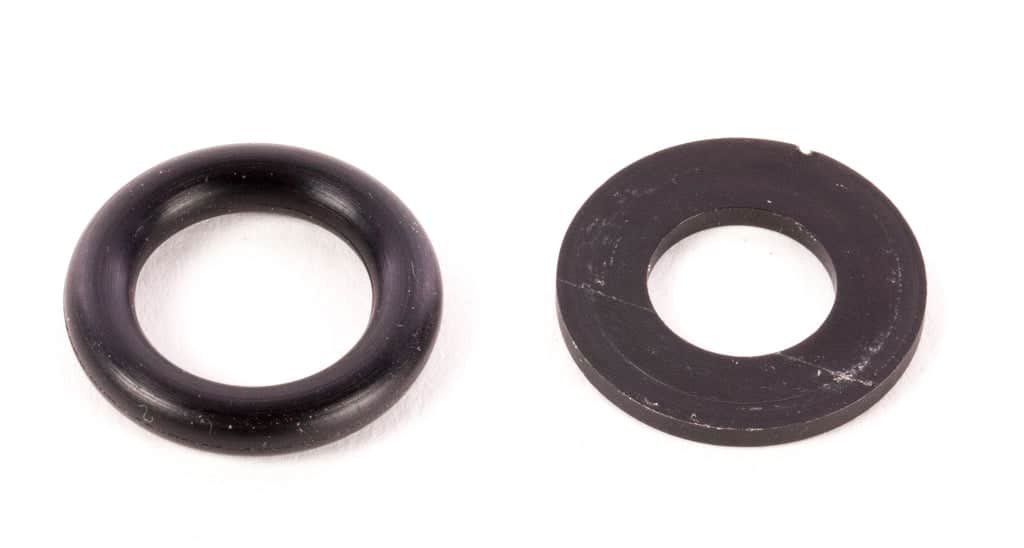
Profiled sealing rings offer superior performance through engineered cross-sectional geometries that increase effective sealing contact area, optimize pressure distribution, provide enhanced chemical resistance, and maintain sealing integrity under extreme temperature variations, pressure differentials, and dynamic loading conditions that exceed the capabilities of standard O-ring designs.
Advanced Geometry Benefits
X-Ring Design:
X-rings feature a four-lobed cross-section that provides two sealing surfaces instead of one, creating redundant sealing paths and improved performance under pressure. The design also reduces friction during installation and operation.
Quad-Ring Configuration:
Quad-rings incorporate four sealing lips that distribute contact pressure more evenly while providing enhanced resistance to extrusion under high-pressure3 conditions.
Custom Profile Optimization:
Application-specific profiles can be engineered to address unique sealing challenges, such as asymmetric pressure loading, chemical compatibility requirements, or extreme temperature cycling.
Enhanced Sealing Performance
Increased Contact Area:
Profiled designs typically provide 15-30% more effective sealing contact area compared to standard O-rings, resulting in improved sealing reliability and reduced leakage rates.
Pressure Resistance:
The enhanced geometry provides better resistance to pressure-induced deformation and extrusion, maintaining sealing integrity at higher system pressures.
Dynamic Sealing Capability:
Profiled rings can accommodate limited cable movement or vibration while maintaining sealing performance, making them ideal for applications with dynamic loading conditions.
Material and Chemical Compatibility
Specialized Compounds:
Profiled rings can be manufactured from specialized elastomer compounds optimized for specific chemical environments, temperature ranges, or performance requirements.
Chemical Resistance Enhancement:
The increased sealing contact area and optimized geometry provide better resistance to chemical attack and permeation compared to standard ring designs.
Temperature Performance
Thermal Cycling Resistance:
Profiled designs maintain sealing integrity through temperature cycling by providing more stable contact pressure and reduced stress concentrations.
Extreme Temperature Applications:
Specialized materials and geometries enable profiled rings to function effectively in applications ranging from cryogenic conditions to high-temperature industrial processes.
When Should You Choose Slit Sealing Rings for Easy Installation?
Slit sealing rings provide unique installation advantages in specific applications where traditional continuous rings may be impractical or impossible to install.
Choose slit sealing rings when installing pre-terminated cables, retrofitting existing installations, performing maintenance without cable disconnection, or working in confined spaces where cable removal is impractical, as these rings provide installation flexibility while maintaining effective environmental sealing through engineered slit designs and specialized compression characteristics.
Installation Scenarios
Pre-Terminated Cable Applications:
When cables have pre-installed connectors or terminations that prevent threading through continuous rings, slit rings can be installed around the cable without requiring connector removal or cable cutting.
Retrofit and Upgrade Projects:
Existing installations often require sealing upgrades without complete system shutdown. Slit rings enable installation without cable disconnection, minimizing downtime and operational disruption.
Maintenance and Service Applications:
During maintenance operations, slit rings allow for easy removal and replacement without disturbing adjacent cables or requiring extensive disassembly.
Design Considerations
Slit Geometry Optimization:
The slit design must balance installation flexibility with sealing performance. Factors include slit width, angle, and closure mechanism under compression.
Material Selection:
Slit rings require materials with specific properties to ensure the slit closes effectively under compression while maintaining long-term elasticity and chemical resistance.
Compression Requirements:
Installation procedures must ensure adequate compression to close the slit and achieve proper sealing performance, often requiring specific torque specifications or compression indicators.
Performance Characteristics
Sealing Effectiveness:
Properly designed slit rings can achieve sealing performance comparable to continuous rings when correctly installed and compressed.
Pressure Limitations:
Slit rings may have lower maximum pressure ratings compared to continuous rings due to the potential stress concentration at the slit location.
Environmental Considerations:
The slit design may affect performance in certain environments, such as applications with significant pressure cycling or chemical exposure at the slit interface.
Application Examples
Data Center Installations:
Slit rings are commonly used in data centers where pre-terminated fiber optic cables must be installed through cable glands without connector removal.
Industrial Retrofits:
Manufacturing facilities often use slit rings when upgrading cable gland sealing systems during scheduled maintenance windows without production shutdown.
Marine Applications:
Boat and ship installations frequently require slit rings for installing pre-terminated navigation and communication cables through bulkhead penetrations.
How Does Bepto Engineer Advanced Sealing Ring Solutions?
At Bepto, we leverage our decade of experience and advanced manufacturing capabilities to develop innovative sealing ring solutions that exceed industry standards and customer expectations.
Bepto engineers advanced sealing ring solutions through comprehensive material science research, precision manufacturing using CNC and injection molding technologies, rigorous testing protocols including IP rating verification and chemical compatibility assessment, and continuous improvement based on field performance data and customer feedback to deliver optimal sealing performance across diverse applications.
Research and Development Approach
Material Science Innovation:
Our R&D team continuously evaluates new elastomer compounds and additives to enhance performance characteristics such as chemical resistance, temperature stability, and compression set resistance4.
Finite Element Analysis5:
We use advanced computer modeling to optimize sealing ring geometries, predicting stress distributions, compression characteristics, and sealing performance before physical prototyping.
Performance Testing:
Comprehensive testing protocols evaluate sealing rings under various conditions including temperature cycling, chemical exposure, pressure testing, and accelerated aging to ensure long-term reliability.
Manufacturing Excellence
Precision Molding:
Our injection molding systems maintain tight tolerances essential for consistent sealing performance, with automated quality control systems monitoring critical dimensions throughout production.
Material Traceability:
Complete material traceability ensures consistent quality and enables rapid response to any performance issues or customer requirements for specific certifications.
Quality Assurance:
ISO9001 and IATF16949 certified processes ensure consistent quality and continuous improvement in our sealing ring manufacturing operations.
Product Portfolio
SealMax™ Conical Series:
Our premium conical sealing rings feature extended diameter ranges and enhanced material formulations for superior performance across diverse applications.
ProSeal™ Profiled Series:
Advanced profiled sealing rings engineered for demanding applications, including high-pressure, chemical resistance, and extreme temperature requirements.
FlexSeal™ Slit Series:
Innovative slit ring designs that provide easy installation without compromising sealing performance, ideal for retrofit and maintenance applications.
Technical Support Services
Application Engineering:
Our technical team provides expert consultation to help customers select optimal sealing ring solutions based on specific application requirements and environmental conditions.
Custom Development:
We develop custom sealing ring solutions for unique applications, leveraging our design expertise and manufacturing capabilities to meet specialized requirements.
Performance Validation:
Comprehensive testing and validation services ensure sealing ring solutions meet or exceed customer specifications and industry standards. 😉
Continuous Improvement
Field Performance Monitoring:
We actively monitor field performance of our sealing rings, using customer feedback and failure analysis to drive continuous product improvement.
Technology Advancement:
Regular investment in new materials, manufacturing technologies, and testing equipment ensures our sealing ring solutions remain at the forefront of industry performance.
Customer Collaboration:
Close collaboration with customers enables us to understand evolving requirements and develop solutions that address emerging challenges in sealing technology.
Conclusion
The selection of appropriate sealing ring designs—whether conical, profiled, or slit—significantly impacts the long-term reliability and performance of cable gland installations. Each design offers unique advantages: conical rings provide versatile cable diameter accommodation, profiled rings deliver enhanced performance in demanding applications, and slit rings enable flexible installation in challenging scenarios. Success requires understanding the specific requirements of your application, environmental conditions, and installation constraints. At Bepto, our comprehensive sealing ring portfolio and technical expertise ensure you have access to optimal solutions for any application. The investment in proper sealing ring selection pays dividends through reduced maintenance costs, improved system reliability, and enhanced operational safety across diverse industrial applications.
FAQs About Sealing Ring Designs
Q: What’s the difference between conical and profiled sealing rings?
A: Conical rings use tapered geometry for universal cable diameter accommodation through radial compression, while profiled rings employ engineered cross-sections like X-rings or quad-rings for enhanced sealing performance and chemical resistance in demanding applications.
Q: Can slit sealing rings provide the same sealing performance as continuous rings?
A: Yes, properly designed slit rings achieve comparable sealing performance to continuous rings when correctly installed and compressed. However, they may have slightly lower maximum pressure ratings due to stress concentration at the slit location.
Q: How do I choose the right sealing ring material for chemical applications?
A: Select materials based on chemical compatibility charts and application requirements. NBR works for oils and fuels, EPDM for acids and bases, while FKM (Viton) provides broad chemical resistance for harsh environments.
Q: What cable diameter range can a single conical sealing ring accommodate?
A: Standard conical sealing rings typically accommodate 2-3mm diameter ranges effectively. For example, an M20 ring might cover 13-16mm cables, though specific ranges depend on ring design and material properties.
Q: When should I use profiled sealing rings instead of standard O-rings?
A: Use profiled rings for high-pressure applications, extreme temperatures, chemical exposure, or when enhanced sealing reliability is critical. They provide superior performance in demanding environments where standard O-rings may fail.
-
Get a clear definition of IP (Ingress Protection) ratings and what the numbers mean. ↩
-
Understand the durometer (Shore hardness) scale used to measure the hardness of materials like rubber. ↩
-
See a technical explanation of extrusion failure in O-rings and seals under high pressure. ↩
-
Learn about compression set, a key property that measures a material’s ability to return to its original shape. ↩
-
Explore what Finite Element Analysis (FEA) is and how it’s used to model and predict stress in engineering. ↩