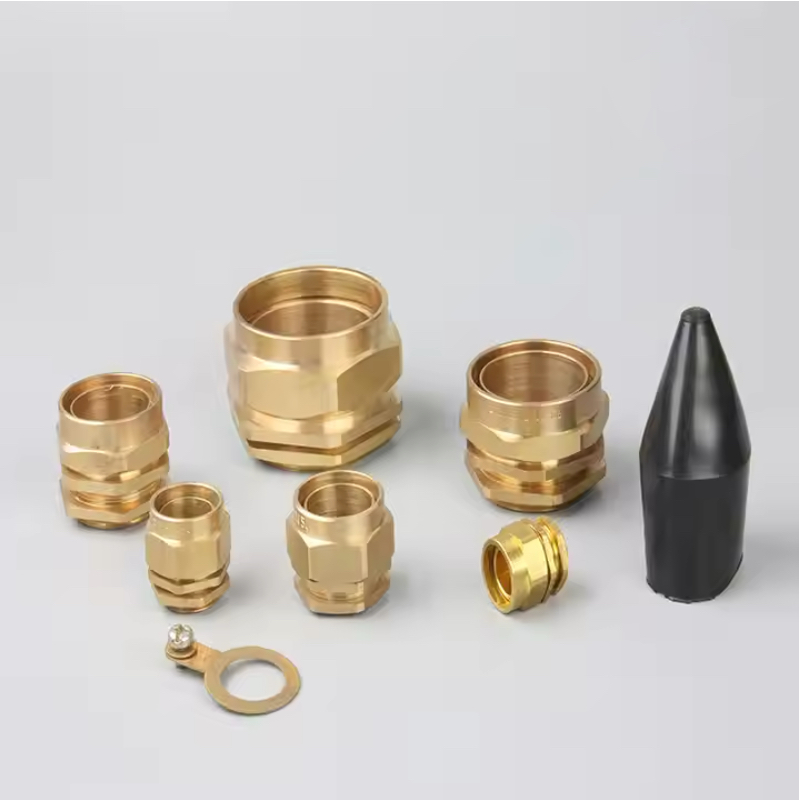
When David, a procurement manager from a major UK manufacturing company, called me last month in a panic, I knew exactly what was happening. “Samuel, we just failed our safety inspection because our cable glands don’t meet BS 6121 standards. Can you help us get compliant products within two weeks?” This scenario plays out more often than you’d think in the British market.
BS 6121 is the definitive British Standard that specifies requirements for cable glands used in electrical installations, covering everything from materials and construction to testing procedures and performance criteria. This standard ensures that cable glands provide reliable sealing, strain relief, and electrical continuity in demanding industrial environments.
As someone who’s been navigating British compliance requirements for over a decade, I’ve seen countless companies struggle with understanding what BS 6121 actually means for their operations. The confusion often stems from the technical complexity and the critical safety implications of non-compliance.
Table of Contents
- What Exactly is BS 6121 and Why Does it Matter?
- What Are the Key Requirements Under BS 6121?
- How Do You Ensure Your Cable Glands Meet BS 6121?
- What Are the Consequences of Non-Compliance?
- FAQs About BS 6121
What Exactly is BS 6121 and Why Does it Matter?
Let me start with the basics that every procurement professional should understand.
BS 61211 is the British Standard that establishes comprehensive requirements for cable glands, including design specifications, material properties, testing procedures, and performance benchmarks for electrical installations across the UK.
The Historical Context
BS 6121 was developed by the British Standards Institution (BSI) to address the growing need for standardized cable gland performance in increasingly complex electrical systems. The standard has evolved through several revisions, with each update reflecting advances in materials science and installation practices.
Why Compliance Matters More Than Ever
In today’s regulatory environment, BS 6121 compliance isn’t just recommended—it’s often mandatory. Here’s why:
- Legal Requirements: Many UK electrical installations must comply with BS 6121 to meet building regulations
- Insurance Coverage: Non-compliant installations may void insurance policies
- Safety Standards: The standard directly impacts worker safety and equipment protection
- Market Access: Many UK contractors and specifiers require BS 6121 certification
Take Hassan, for example, who runs a petrochemical facility in Aberdeen. When his team discovered that their cable glands weren’t BS 6121 compliant during a routine audit, they faced potential shutdown until replacements could be installed. “The financial impact was staggering,” he told me. “But the safety risk was even worse.”
What Are the Key Requirements Under BS 6121?
Understanding the specific requirements can seem overwhelming, but I’ll break them down into manageable categories.
BS 6121 establishes detailed specifications for materials, construction methods, ingress protection ratings, temperature ranges, and mechanical strength requirements that cable glands must meet.
Material Specifications
| Material Type | BS 6121 Requirements | Typical Applications |
|---|---|---|
| Brass | CW617N or equivalent2 | General industrial use |
| Stainless Steel | 316L minimum grade | Marine/chemical environments |
| Nylon | PA66 with UV stabilizers | Indoor/light duty applications |
| Aluminum | 6061-T6 or better | Weight-sensitive installations |
Performance Criteria
The standard mandates specific performance benchmarks:
Ingress Protection: Minimum IP54 rating3, with many applications requiring IP68
Temperature Range: -40°C to +100°C operational range
Mechanical Strength: Minimum tensile strength of 500N for standard applications
Electrical Continuity: Maximum resistance of 0.01 ohms through the gland body
Testing Requirements
BS 6121 requires extensive testing protocols:
- Environmental Testing: Salt spray, UV exposure, thermal cycling
- Mechanical Testing: Pull-out strength, vibration resistance, impact testing
- Electrical Testing: Continuity, insulation resistance, earth fault loop impedance4
- Sealing Performance: Water ingress testing under various pressure conditions
How Do You Ensure Your Cable Glands Meet BS 6121?
This is where many companies struggle, but the process doesn’t have to be complicated.
Ensuring BS 6121 compliance requires selecting certified products from accredited manufacturers, verifying documentation, and implementing proper installation procedures according to the standard’s guidelines.
Step 1: Source from Certified Manufacturers
At Bepto, we’ve invested heavily in BS 6121 compliance because we understand its importance to our UK customers. Our manufacturing process includes:
- Raw Material Verification: All materials tested against BS 6121 specifications
- In-Process Quality Control: Regular testing during production
- Final Product Testing: Comprehensive testing before shipment
- Documentation Package: Complete certification and test reports
Step 2: Verify Documentation
Every BS 6121 compliant cable gland should come with:
- Certificate of Compliance from an accredited testing laboratory
- Material certificates showing grade and properties
- Test reports demonstrating performance against all requirements
- Installation instructions specific to BS 6121 applications
Step 3: Proper Installation Practices
Even the best cable glands can fail if not installed correctly:
Thread Engagement: Minimum 5 full threads for reliable sealing
Torque Specifications: Follow manufacturer’s torque requirements precisely
Cable Preparation: Proper stripping and preparation according to cable type
Environmental Considerations: Account for temperature, vibration, and chemical exposure
Step 4: Regular Inspection and Maintenance
BS 6121 compliance doesn’t end with installation:
- Regular visual inspections for signs of degradation
- Periodic testing of electrical continuity
- Environmental monitoring in harsh conditions
- Replacement scheduling based on service life data
What Are the Consequences of Non-Compliance?
The stakes are higher than many realize, and I’ve seen the real-world impact firsthand.
Non-compliance with BS 6121 can result in safety hazards, legal liability, insurance voidance, project delays, and significant financial penalties, making compliance essential for any serious electrical installation.
Safety Implications
Non-compliant cable glands can lead to:
- Electrical Fires: Poor sealing allows moisture ingress, causing short circuits
- Equipment Damage: Inadequate strain relief damages expensive equipment
- Personnel Safety: Electrical faults pose serious injury risks
- Environmental Contamination: Failed seals in hazardous areas can cause spills
Financial Consequences
The financial impact extends beyond the initial cost:
- Replacement Costs: Emergency replacement of non-compliant products
- Downtime Losses: Production stops while corrections are made
- Legal Penalties: Regulatory fines for non-compliance
- Insurance Claims: Denied claims due to non-compliant installations
Real-World Example
Remember David from the introduction? His company faced:
- £50,000 in emergency replacement costs
- Two weeks of production downtime worth £200,000
- Potential regulatory penalties of £25,000
- Damaged reputation with key customers
“If we’d just specified BS 6121 compliant glands from the start,” he reflected, “we would have saved over £250,000 and avoided weeks of stress.”
FAQs About BS 6121
Q: What’s the difference between BS 6121 and other international cable gland standards?
A: BS 6121 is specifically tailored for UK electrical installations and includes unique requirements for British environmental conditions, electrical systems, and safety regulations. While similar to IEC standards, BS 6121 has specific material grades, testing procedures, and performance criteria that may differ from international standards.
Q: How long does BS 6121 certification typically take for cable glands?
A: BS 6121 certification typically takes 6-12 weeks depending on the product complexity and testing requirements. This includes material verification, performance testing, documentation review, and certificate issuance by an accredited testing laboratory.
Q: Can I use non-BS 6121 cable glands in UK installations?
A: While not always legally prohibited, using non-BS 6121 cable glands in UK installations can void insurance coverage, fail building inspections, and create liability issues. Most UK electrical contractors and specifiers require BS 6121 compliance for professional installations.
Q: What documentation should I expect with BS 6121 compliant cable glands?
A: You should receive a certificate of compliance from an accredited laboratory, material certificates showing grade specifications, comprehensive test reports, and installation instructions. Reputable suppliers like Bepto provide complete documentation packages with every shipment.
Q: How often should BS 6121 compliant cable glands be inspected or replaced?
A: Inspection frequency depends on environmental conditions, but typically ranges from quarterly in harsh environments to annually in standard conditions. Replacement intervals vary from 5-15 years based on material type, application severity, and maintenance quality. Always follow manufacturer recommendations and local regulations.
-
Access the official BSI page or a summary describing the scope and purpose of the BS 6121 standard for cable glands. ↩
-
View the technical specifications, chemical composition, and mechanical properties of CW617N grade brass. ↩
-
Understand the Ingress Protection (IP) rating system, including IP54 and IP68, as defined by international standards. ↩
-
Learn about Earth Fault Loop Impedance (Zs) testing and its importance in electrical safety verification. ↩